Financing Came Back, Buyers Got Picky
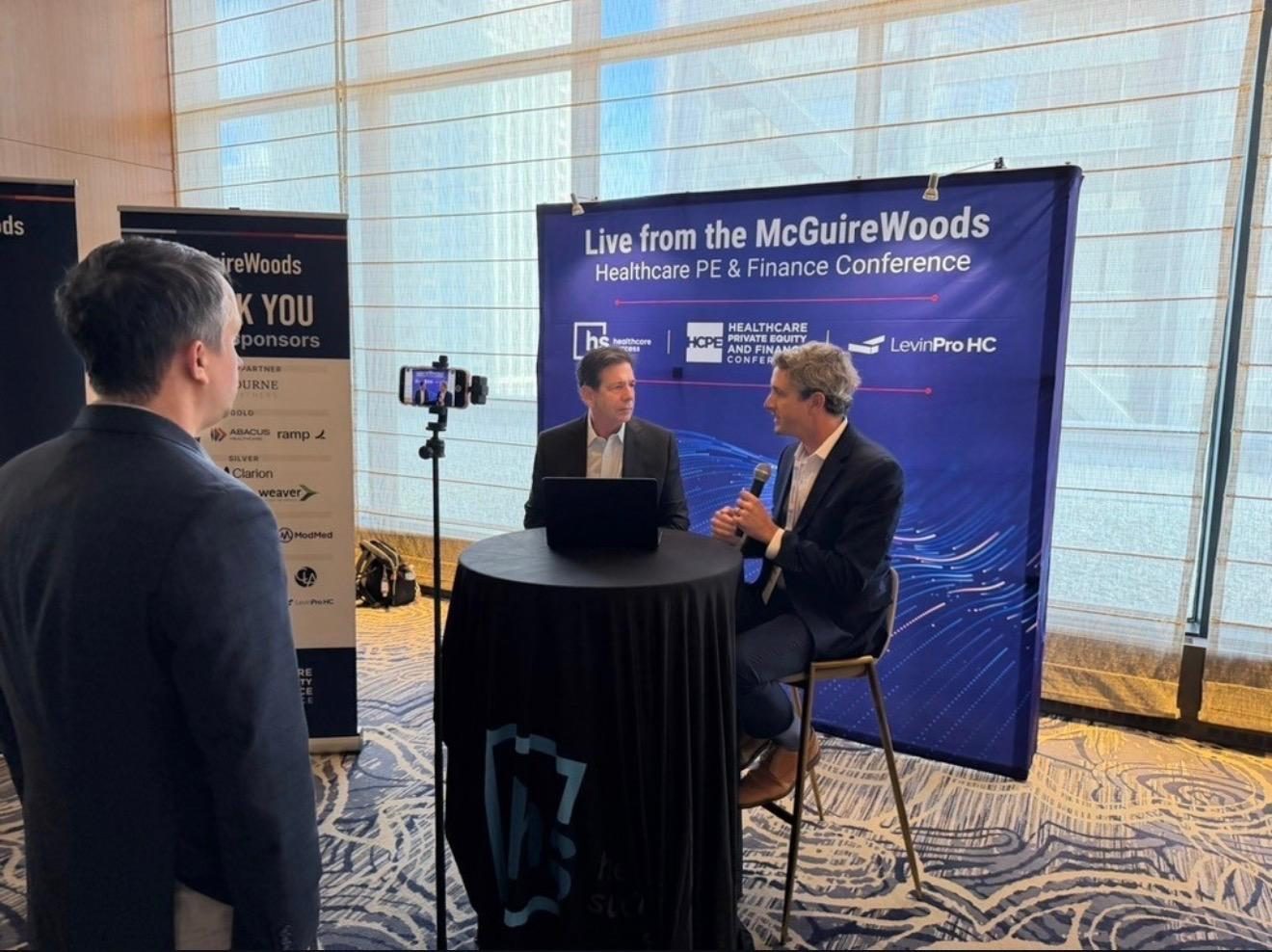
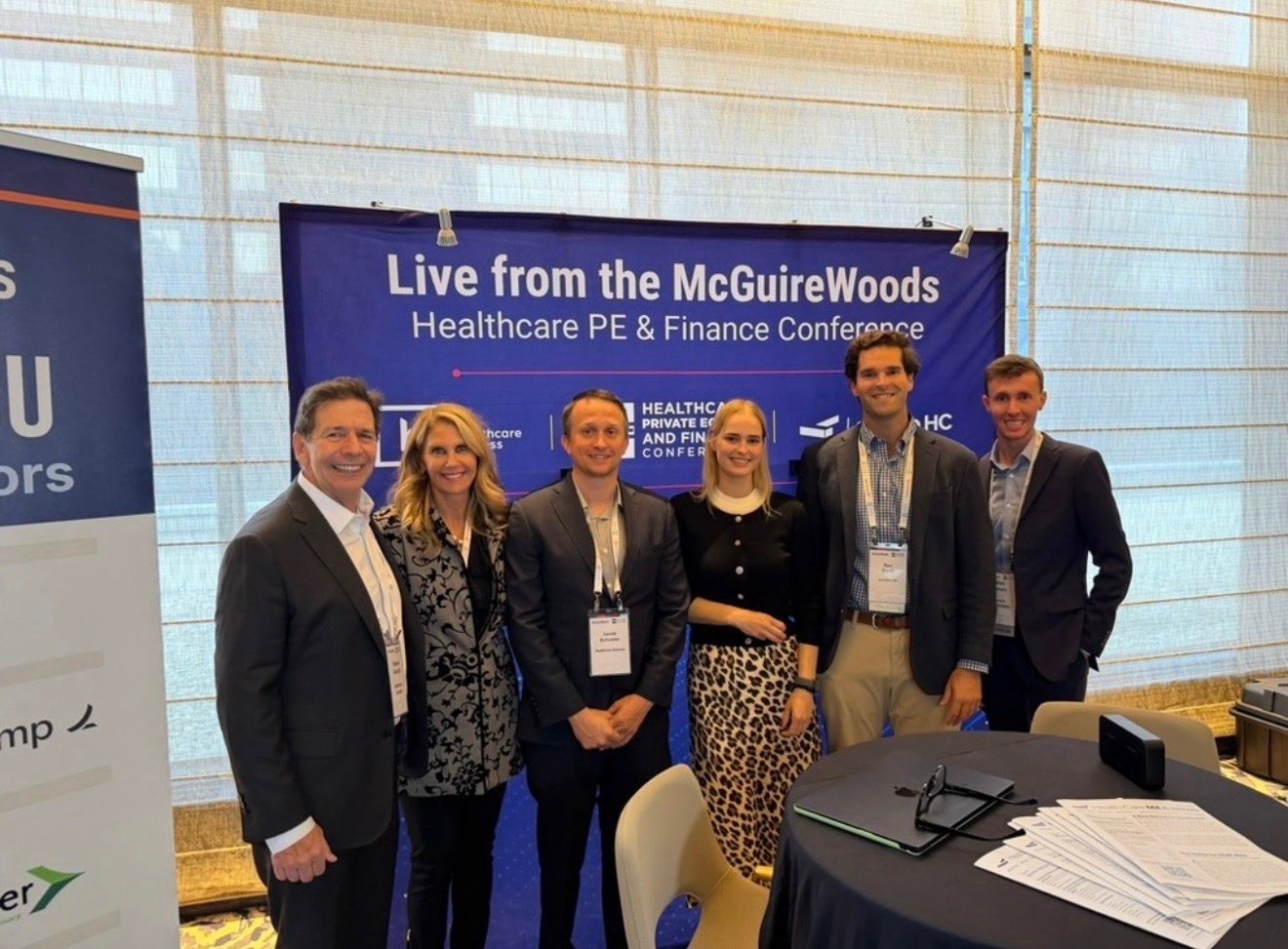
CHICAGO – When several hundred healthcare investors, lenders, and advisers gathered for the 22nd McGuireWoods Healthcare Private Equity and Finance Conference on April 29 and 30, the mood was the most constructive it had been in two years. Financing had loosened, buyers and sellers had moved closer on price, and the deal pipeline had deepened. Havencrest Capital’s Christopher Kersey, in a fireside chat with McGuireWoods partner and Becker’s publisher Scott Becker, predicted the next 3 years would be the strongest stretch for healthcare private equity in at least a decade.
That optimism came with a filter. Buyers, the conference’s own recap reported, still prize operationally mature businesses with real compliance infrastructure, differentiated growth, and durable reimbursement. Premium assets draw crowded auctions; weaker platforms face valuation pressure and longer paths to close. For owners of applied behavior analysis businesses watching the autism-therapy M&A market, that filter is the whole story.
The Question Was Who Buys Next
The contrast with 2025 was sharp. A year ago, the room wanted to know when financing would return and how platforms would fix their staffing. In 2026, the recap noted, financing is no longer the bottleneck, and the headline question has shifted to “who buys the next wave of platforms.” By the authors’ account, it was the question that came up between sessions more than any other.
The answer is unsettled. Panelists agreed that exits remain choppy. The IPO window has barely cracked open, sponsor-to-sponsor sales sit well below their peak, and continuation funds and other sponsor-led structures are filling the gap. The platforms built in the early 2020s are expected to come to market over the next 18 to 24 months, a wave meant to supply both exit liquidity for current owners and fresh inventory for the next generation of buyers. For now, continuation vehicles let a sponsor move an asset from one of its own funds to another and reset the clock without a true sale, a sign of how thin genuine third-party demand has become at the top of the market.
Financing came back. The exits did not. Somebody still has to buy the platforms the last cycle built.
The mood music had a second motif: artificial intelligence. The recap’s authors reported that AI had moved from a future opportunity to an investable thesis and an operational imperative, with panelists describing its expanding role in clinical documentation, revenue cycle, labor efficiency, and administrative-burden reduction. One panelist’s framing, that AI fails at the strategy rather than the model, captured the caution: governance and clean data have to precede deployment. For ABA, a labor-intensive field that runs on documentation and authorization, the implication is that the operators who professionalize their data and billing infrastructure are the ones a disciplined buyer will reward.
ABA’s Boom Is the Bill Coming Due
No corner of healthcare fits that description more precisely than ABA. A study published in JAMA Pediatrics in January 2026, by researchers at Brown University, counted 574 private-equity-owned autism therapy centers across 42 states as of 2024, assembled through 142 separate deals, with nearly 80 percent of the acquisitions falling between 2018 and 2022. That is the boom the conference was describing, and ABA was one of its purest expressions.
The geography tracks the money. The Brown team found the heaviest concentrations in California, Texas, Colorado, Illinois, and Florida, the same states where rising diagnoses and generous coverage mandates made centers easiest to fill. Childhood autism diagnoses nearly tripled between 2011 and 2022, the researchers noted, which is what drew the capital in the first place and still underwrites the demand case.
The study’s authors framed the consolidation in terms of risk rather than verdict. Lead author Daniel Arnold and health economist Yashaswini Singh, of Brown’s School of Public Health, noted that because many children in these centers are insured by Medicaid, any private-equity push to increase the intensity of billable care would flow directly into state Medicaid budgets. That observation is the bridge between the academic finding and the conference’s caution: the same Medicaid exposure that made ABA easy to scale is what now makes a Medicaid-heavy platform harder to sell into a market bracing for rate pressure.
Those platforms are now aging into the exact window panelists flagged. One M&A adviser’s year-end 2025 tally found more than 35 pediatric-therapy platforms sitting past the normal 4-to-5-year hold, 13 of them held for more than 7 years, a backlog the firm called a pressure cooker. Private equity owners owe their investors a return, and the clock on that obligation does not reset. The price has moved against them, too: ABA multiples that touched 10 to 15 times earnings in the 2017 to 2019 frenzy have settled into the high single digits, closer to 6 to 8 times.
What the Next Buyer Will Pay For
The conference was clear about which assets clear the market. Behavioral health stayed a focal point, with panelists citing durable demand, chronic provider shortages, and growing payer support as a long runway for consolidation, and they singled out intellectual and developmental disability platforms as especially attractive. The caution was just as clear: subsectors with heavy direct reimbursement exposure, particularly anything with material Medicaid concentration, drew warier commentary as investors brace for rate pressure. Lenders said the same in their own language, reserving the best terms for stable operators and underwriting subsectors with reimbursement or regulatory uncertainty more strictly.
ABA sits on both sides of that ledger. Its demand and workforce shortage are real, but it is labor-intensive, often heavily Medicaid-funded, and increasingly under enforcement and revalidation scrutiny in states from Minnesota to Florida. The recap’s through-line was that the next buyer underwrites operational maturity, not topline growth: scalable integration, professionalized finance and data, embedded compliance, a defensible payer mix. Selling well, panelists said, now means building those capabilities early in the hold rather than scrambling during the sale process.
The market is already sorting on that basis. In January 2026, Webster Equity Partners sold InBloom Autism Services to Elysium Management, the family office of Leon Black, in a deal worth about $75 million, the kind of clean exit a differentiated asset can still command. Even the largest operators have pruned: Charlesbank-backed Action Behavior Centers restructured in early 2025, closing centers and cutting regional staff, while in January 2026 General Atlantic-backed ACES folded Ally Pediatric Therapy into a 92-location, ABA-focused platform. Two other threads bear on ABA. Investors are paying up for the technology layer the sector runs on, the billing, documentation, and data tooling, after Roper’s $1.65 billion purchase of the ABA software platform CentralReach put a marker on the category. And panelists returned repeatedly to widening state review of healthcare transactions, which is lengthening timelines and reshaping diligence, a particular concern for a field already living under fraud enforcement.
Lenders described the financing backdrop in matching terms. The debt-market participants on the conference’s panels reported more liquidity and sharper competition, with the strongest appetite reserved for scaled platforms throwing off predictable cash flow, even as leverage in some subsectors stayed below historical highs. The recap also noted that sponsors who once stuck to services are now willing to underwrite the technology layer outright, blurring the line between healthcare services and healthcare technology. That shift is why a tooling deal like Roper’s CentralReach purchase reads as a signal about ABA rather than a sideshow: the data and billing infrastructure has become an asset class of its own, and the operators plugged into it look more financeable than those running on spreadsheets.
A scaled, compliance-ready platform sells. A subscale, Medicaid-heavy one waits.
The Clock for Clinic Owners
For a clinic owner, the translation is direct. The platforms most likely to trade well in the coming wave are scaled, operationally professionalized, compliance-ready, and diversified across payers. The ones most likely to stall, or to sell at a discount to a better-capitalized consolidator, are subscale, debt-heavy, undifferentiated, or concentrated in Medicaid markets facing rate cuts. A separate conference recap noted investors specifically eyeing fragmented segments where overextended roll-ups had stumbled, the openings that let stronger sponsors consolidate at more reasonable multiples. Lower-middle-market deals drew interest precisely because buyers could create value through integration and technology rather than betting on the multiple expansion that is no longer coming.
That is both a warning and an opening. Owners who spend the next year and a half standing up real finance, compliance, and integration functions improve their odds of being bought rather than absorbed. The next 18 to 24 months will answer the question the room in Chicago kept asking. When McGuireWoods reconvenes in Arizona on April 13 and 14, 2027, the ABA names that changed hands, and the multiples they fetched, will show which side of that line operational maturity actually put them on.
AT A GLANCE
| The event: | 22nd McGuireWoods Healthcare Private Equity and Finance Conference, Chicago, April 29–30, 2026; recap published May 18, 2026 |
| Market tone: | Improving but selective; financing no longer the bottleneck; cautious optimism that deal activity builds into late 2026 |
| Defining question: | “Who buys the next wave of platforms”; exits stay choppy with a barely-open IPO window and slow sponsor-to-sponsor activity |
| Exit window: | Early-2020s platforms expected to come to market over the next 18 to 24 months |
| Behavioral health: | A focal point: durable demand, provider shortages, payer support and fragmentation seen as a long consolidation runway; heavy IDD interest |
| The caution: | Heavy Medicaid or government-payor exposure and anticipated rate pressure drew warier commentary; disciplined underwriting where reimbursement or regulation is uncertain |
| What buyers prize: | Operational maturity, embedded compliance, differentiated growth, durable reimbursement, integration capability and portfolio-grade data |
| ABA’s roll-up wave: | 574 PE-owned autism therapy centers across 42 states as of 2024, via 142 deals, nearly 80% acquired 2018–2022 (JAMA Pediatrics, Jan. 2026) |
| ABA multiples: | Roughly 10–15x EBITDA at the 2017–2019 peak; closer to 6–8x in 2024–2025 |
| Exit pressure: | More than 35 pediatric-therapy platforms held past the typical 4–5 year window by year-end 2025, 13 of them over 7 years (Mergium) |
| Recent ABA deals: | InBloom sold by Webster Equity Partners to Elysium Management for about $75M (Jan. 2026); ACES (General Atlantic) acquired Ally Pediatric Therapy (Jan. 2026) |
| Next gathering: | HCPE 2027, Arizona, April 13–14, 2027 |
| State concentration: | PE-owned autism centers cluster in CA (97), TX (81), CO (38), IL (36), FL (36); 16 states had one or zero (JAMA Pediatrics, Jan. 2026) |
| AI at the conference: | AI named an investable thesis and operational imperative; cited for documentation, revenue cycle, and labor efficiency; sponsors increasingly underwriting the tech layer |
SOURCES & REFERENCES
| 1. | McGuireWoods (Holly Buckley, Geoffrey C. Cockrell, Timothy J. Fry, Richard S. Grant, C. Caroline Grier Kraich, Amber McGraw Walsh, and Gerum Yilma). “Highlights of the 22nd McGuireWoods Healthcare Private Equity and Finance Conference.” Published May 18, 2026. Primary source. https://www.mcguirewoods.com/client-resources/alerts/2026/5/highlights-of-the-22nd-mcguirewoods-healthcare-private-equity-and-finance-conference/ |
| 2. | Levin Associates. “Key Themes and Trends from McGuireWoods’ 2026 Healthcare Private Equity and Finance Conference.” The article discusses the valuation reset, opportunities to consolidate fragmented segments where overextended roll-ups faltered, lower-middle-market interest without multiple expansion, and behavioral health momentum tempered by Medicaid-heavy headwinds. https://www.levinassociates.com/key-themes-and-trends-from-mcguirewoods-2026-healthcare-private-equity-and-finance-conference-2/ |
| 3. | Brown University. “Private equity firms acquired more than 500 autism centers in past decade, study shows.” Published Jan. 7, 2026. Reporting on Singh et al., “Private Equity in Autism Services,” published in JAMA Pediatrics on Jan. 5, 2026. The study identified 574 private-equity-owned centers across 42 states and 142 deals, with approximately 80% of acquisitions occurring from 2018 through 2022. The largest concentrations were in California, Texas, Colorado, Illinois, and Florida. Autism diagnoses nearly tripled from 2011 through 2022. https://www.brown.edu/news/2026-01-07/private-equity-autism-centers |
| 4. | Becker’s Behavioral Health. “Rapid private equity growth in autism care sparks scrutiny.” Published January 2026. The article corroborates the JAMA Pediatrics findings and notes that behavioral health M&A activity increased in 2025. https://www.beckersbehavioralhealth.com/behavioral-health-capital-investment/rapid-private-equity-growth-in-autism-care-sparks-scrutiny/ |
| 5. | BreakingNewsABA. “The Full M&A Map of ABA: Every Major Deal Since 2015.” Published Mar. 22, 2026. The article states that ABA multiples peaked at approximately 10–15x EBITDA in 2017–2019 and declined to roughly 6–8x in 2024–2025. It reports that private equity completed 85% of ABA M&A transactions from 2017 through 2022 and discusses Roper Technologies’ $1.65 billion CentralReach acquisition. https://breakingnewsaba.com/policy/the-full-m-map-aba-every-major-deal-since-2015-annotated |
| 6. | Acuity. “Pediatric Therapy Practice Valuation 2026: Why EBITDA Multiples Mislead.” Published Apr. 7, 2026. Citing Mergium year-end 2025 data, the article reports that 13 platforms had been held for more than seven years, 22 had been held for five to seven years, and more than 35 had exceeded a typical investment hold period. It describes a “pressure cooker” of pending exits and notes that valuations have declined from their early-2020s peak. https://acuity.news/m-and-a/pediatric-therapy-practice-valuation-ebitda-multiples-2026/ |
| 7. | Acuity. “ABA M&A 2026: Major Platforms Prepare for Sale as Deal Volume Surges.” Published Mar. 24, 2026. The article discusses Webster Equity Partners’ sale of InBloom Autism Services to Elysium Management for approximately $75 million, with Calex Partners advising. It also discusses continued private-equity dominance and the return of strategic buyers. https://acuity.news/m-and-a/aba-ma-market-update-2026-platforms-for-sale/ |
| 8. | BreakingNewsABA. “Private Equity Acquires Over 500 Autism Centers in Ten Years.” Published Apr. 14, 2026. The article covers the JAMA Pediatrics study and notes that ACES, backed by General Atlantic, acquired Ally Pediatric Therapy from SBJ Capital in January 2026, expanding the platform to 92 locations. https://breakingnewsaba.com/private-equity-in-aba/private-equity-autism-centers-acquisition |
| 9. | Acuity. “The 10 Largest ABA Therapy Companies in 2026.” Published Apr. 20, 2026. The article discusses major ABA platforms, including Action Behavior Centers, acquired by NexPhase Capital in 2018 and Charlesbank Capital Partners in 2022 at a reported $840 million valuation. It also covers the company’s January 2025 restructuring, center closures, and regional layoffs, as well as GTCR’s 2024 acquisition of Caravel Autism Health. https://acuity.news/m-and-a/abas-power-players-the-10-largest-providers-reshaping-autism-care/ |
| 10. | McGuireWoods. “State Healthcare Pre-Transaction Notice and Approval Laws.” The tracker covers widening state review requirements for healthcare transactions, a topic referenced during the McGuireWoods Healthcare Private Equity and Finance Conference. https://www.mcguirewoods.com/healthcare-pre-transaction-notices/ |
| 11. | Axios Pro. “Elysium Management acquiring InBloom in deal worth about $75 million.” Published January 2026. The article reports that Elysium Management, associated with Leon Black’s family office, agreed to acquire InBloom Autism Services in a transaction valued at approximately $75 million. Mergr and PitchBook also date the transaction to Jan. 14, 2026. https://www.axios.com/pro/health-tech-deals/2026/01/23/inbloom-autism-elysium-360behavioral |