
A Provider Built Around One Idea
ATLANTA – Unity Behavioral Services, a family-owned applied behavior analysis provider operating in Georgia and Texas, has built its pitch around a single idea: that every child has an “ikigai,” or inner spark, and that therapy should be built around finding it.
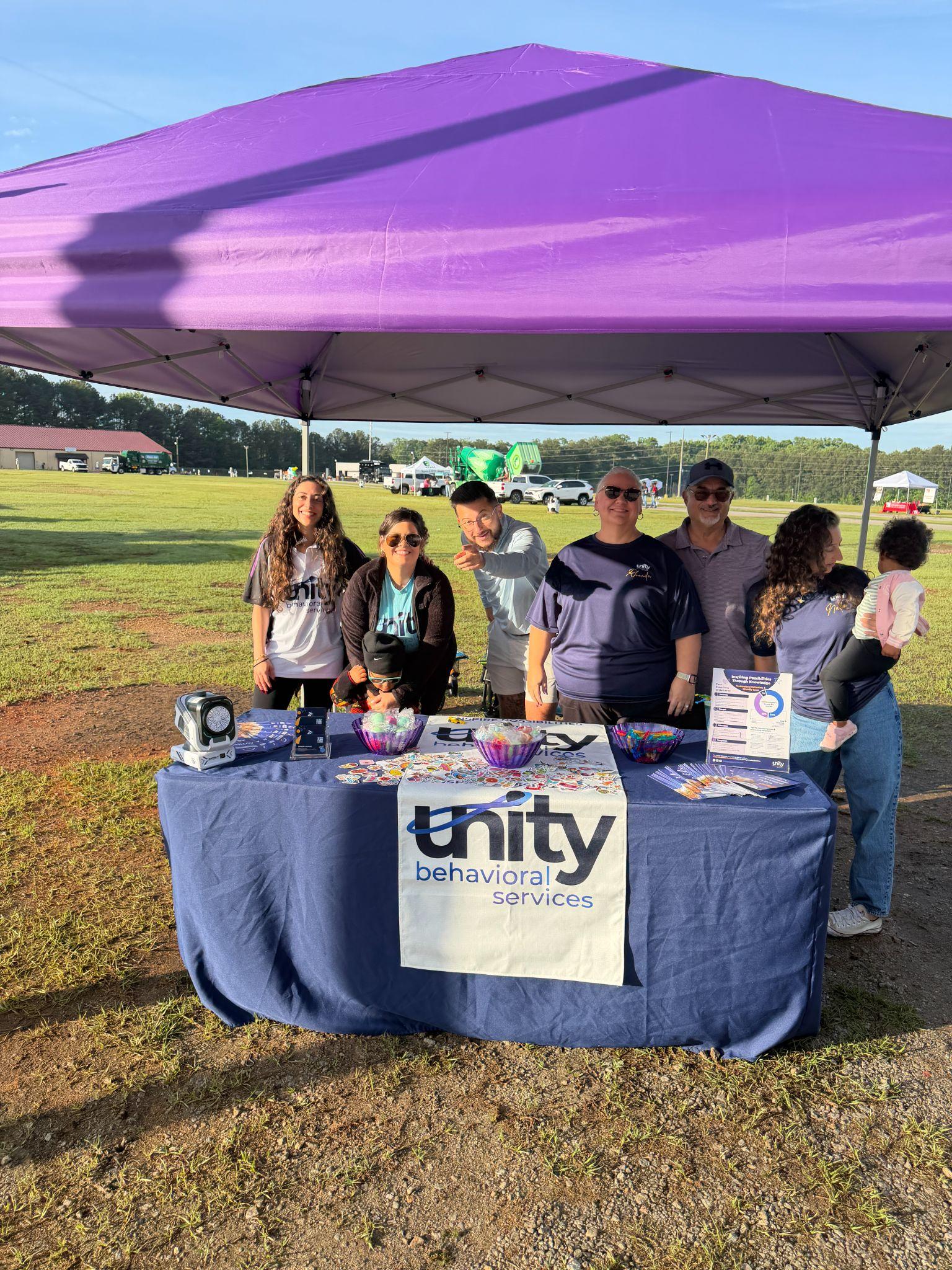
Founded by parents who say they set out to build the ABA provider they could not find, the company is family-owned and, by its own description, expert-led. Armon Aghaie is founder and chief executive. Yani Carrio, the chief clinical officer, is the architect of its methodology and a behavior analyst with more than a decade in ABA. The company is now in its third year and is accepting new clients across Atlanta, Dallas-Fort Worth, and San Antonio.
The framing is ambitious. UBS says it wants to “revolutionize education” for neurotypical and neurodivergent children alike and grow beyond Georgia and Texas to become a national provider.
A Family-Run Origin
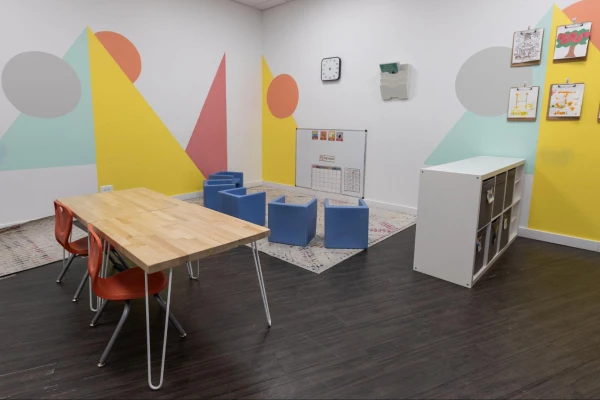
UBS traces its start to frustration with what its founders call a factory-line approach to child development, one built around checking boxes and hitting milestones rather than understanding the individual child. The company casts itself as the alternative: family-centered, individualized, and delivered in homes and schools.
That family framing runs through the leadership. Aghaie, who ties the company’s mission to his own experience of family. Carrio is a parent as well, and the company stresses that its clinicians lead with what it calls a family-first mentality. UBS lists five core values that it says govern its work: people are the point, no one sails alone, lead with curiosity, anchored by ownership, and unreasonable hospitality.
“That unwavering confidence in charting a new course, and fierce commitment to the children and families we serve, is what makes us a different kind of provider,” Aghaie said in the company’s press release.
The Ikigai Model
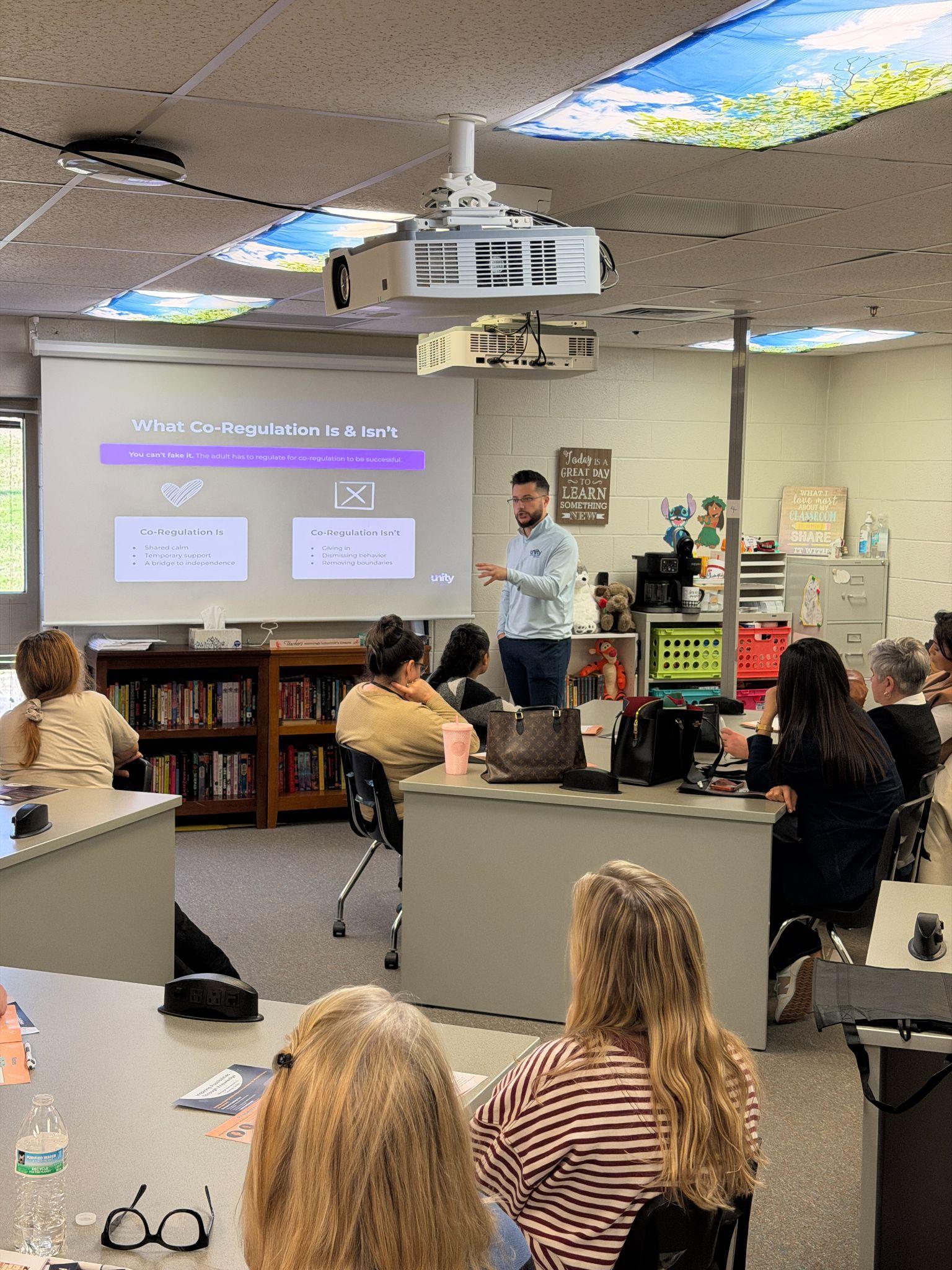
The company’s methodology is its central selling point. Ikigai is a Japanese concept centered on purpose, and UBS organizes its approach around four questions about each child: what they love, what they are good at, what their world needs, and what they can be paid for. The company says the methodology was built over roughly a decade, grounded in human development and early childhood research across cultures, then tailored to each child.
Operationally, UBS says it does not default to the full-time, 40-hour-per-week therapy model common among ABA providers. Instead, it says its Board Certified Behavior Analysts (BCBAs) use assessment tools and clinical judgment to set each child’s hours, and that data drives the plans. The company also leans on caregiver involvement, which it calls one of the biggest drivers of lasting progress.
“Our methodology is what makes us revolutionary, but our culture is what makes us successful,” Aghaie said in the release.
“We use this methodology with our own kids. That’s how confident we are in what we do. This isn’t theory, it’s how we raise our families.” – Armon Aghaie, CEO, Unity Behavioral Services (2026)
The Numbers UBS Reports
UBS backs its pitch with striking figures. The company says 100% of its clients have shown meaningful progress within their first six months, that it has held a 0% voluntary clinician turnover rate over the past two years, and that children who begin its methodology at birth outpace CDC developmental benchmarks by more than a year by age three. It also reports family-described gains in potty training, functional communication, and independence, as well as reductions in challenging behavior.
These figures come from UBS’s own submission and press release. In an industry where high clinician turnover and contested outcome measures are common, a 0% voluntary turnover rate and a 100% client-progress rate stand out, and UBS presents them as central to its identity.
Growth and What Comes Next
UBS describes a deliberate ramp. In its first year, the company says it took no clients so it could focus on training and its methodology. In its second year, it capped its own growth to protect quality. It calls the current third year its year of impact and frames its stable staffing as what makes scaling possible.
The company says it is expanding beyond Georgia and Texas toward a national footprint, positioning itself on individualized, family-centered care and on the idea that ABA should measure success by socially meaningful outcomes and caregiver empowerment, not hours logged. Whether its self-reported results hold up as UBS scales beyond its three metros is the open question its next year of growth will answer.
AT A GLANCE
| Company: | Unity Behavioral Services (UBS), family-owned ABA provider (UBS, 2026) |
| Founder and CEO: | Armon Aghaie (UBS, 2026) |
| Chief clinical officer: | Yani Carrio, 10+ years in ABA (UBS, 2026) |
| Headquarters: | Marietta, Georgia (UBS, 2026) |
| Markets: | Atlanta, Dallas-Fort Worth, San Antonio (UBS press release, July 2026) |
| Model: | Individualized “ikigai” methodology; hours customized, not a default 40-hour week (UBS, 2026) |
| Client outcome (company-reported): | 100% of clients showed meaningful progress in first 6 months (UBS; not independently verified) |
| Turnover (company-reported): | 0% voluntary clinician turnover over two years (UBS; not independently verified) |
| Development claim (company-reported): | Children starting at birth outpace CDC benchmarks by over a year by age 3 (UBS; not independently verified) |
| Stage: | In its third year; capped growth in year two (UBS, 2026) |
| Expansion goal: | National, beyond Georgia and Texas (UBS, 2026) |
| Contact: | Nadia Aghaie, Head of Communications (UBS, 2026) |
SOURCES & REFERENCES
| 1. | Unity Behavioral Services. Industry Profile submission to Breaking News ABA, submitted by Nadia Aghaie, Head of Communications. 2026. |
| 2. | Unity Behavioral Services. “A New Vision for ABA Therapy: How One Company Built the ABA Therapy Provider it Couldn’t Find.” Press release. July 2, 2026. |
| 3. | Unity Behavioral Services. “Our Mission.” Company document. 2026. |