
What Is Applied Behavior Analysis?
Applied Behavior Analysis, commonly known as ABA, is a scientific discipline devoted to understanding how behavior works and how it can be shaped by environmental factors. Rooted in decades of peer-reviewed research, ABA uses systematic observation and data-driven techniques to bring about meaningful improvements in socially significant behaviors. While it is most widely recognized as a therapy for individuals with autism spectrum disorder, ABA principles extend across education, organizational management, substance abuse treatment, and beyond.
The field traces its modern origins to a landmark 1968 paper by Donald Baer, Montrose Wolf, and Todd Risley, who defined the core dimensions that distinguish ABA from other behavioral sciences. Those dimensions — applied focus, behavioral measurement, analytic rigor, technological clarity, conceptual grounding, effectiveness, and generality — remain the foundation of ethical and evidence-based practice today.

Core Principles of ABA
At its foundation, ABA operates on the principle that behavior is influenced by what happens before it (the antecedent) and what follows it (the consequence). This three-term contingency, often called the A-B-C model, provides the framework practitioners use to analyze why a behavior occurs and how to change it.
Reinforcement is the primary mechanism for building new skills and encouraging desired behavior. When a behavior is followed by a meaningful outcome, the likelihood of that behavior recurring increases. ABA practitioners carefully identify what is reinforcing for each individual, ensuring that interventions are personalized rather than formulaic.
Data collection and analysis set ABA apart from many other therapeutic approaches. Every session generates measurable data, allowing practitioners to track progress objectively, adjust treatment plans in real time, and demonstrate outcomes to families, funders, and oversight bodies.
How ABA Therapy Works in Practice
A qualified Board Certified Behavior Analyst (BCBA) begins by conducting a comprehensive assessment of the individual’s current skills, challenges, and preferences. From this assessment, the BCBA develops an individualized treatment plan with specific, measurable goals. These goals may target communication, social interaction, daily living skills, academic readiness, or the reduction of behaviors that interfere with learning and safety.
Treatment plans break complex skills into small, teachable steps. A therapist, typically a Registered Behavior Technician (RBT) working under BCBA supervision, delivers direct instruction using a range of evidence-based techniques. Sessions may take place in clinics, homes, schools, or community settings, and they increasingly occur via telehealth as well.
Throughout the process, the BCBA reviews session data, meets regularly with families and caregiving teams, and adjusts the program based on what the data reveals. This iterative, responsive approach is one of ABA’s defining strengths.

Who Provides ABA Services?
The ABA workforce operates within a tiered credentialing system governed by the Behavior Analyst Certification Board (BACB). Understanding these roles is essential for anyone navigating the industry.
Board Certified Behavior Analyst (BCBA): The BCBA holds a master’s degree or higher, has completed supervised fieldwork hours, and has passed the BACB’s national certification examination. BCBAs design treatment plans, supervise direct-care staff, and bear ultimate clinical responsibility for client outcomes. Many states also require a separate state license to practice.
Board Certified Assistant Behavior Analyst (BCaBA): The BCaBA credential requires a bachelor’s degree and BACB certification. BCaBAs assist in implementing treatment plans under the ongoing supervision of a BCBA.
Registered Behavior Technician (RBT): RBTs are the frontline workforce of ABA therapy. They complete a 40-hour training program, pass a competency assessment, and deliver direct one-on-one or group therapy under BCBA supervision. The RBT credential has grown rapidly, with tens of thousands of new certificants each year.
The Evidence Base for ABA
ABA is recognized as an evidence-based best practice treatment by the U.S. Surgeon General and the American Psychological Association. Multiple large-scale studies and meta-analyses have demonstrated that intensive, long-term ABA therapy can produce significant gains in intellectual functioning, language development, adaptive behavior, and social skills for many individuals with autism.
The research landscape continues to evolve. Newer studies are examining optimal dosage levels, the comparative effectiveness of different service delivery models, and long-term adult outcomes. The field is also engaging more actively with neurodiversity perspectives, working to ensure that treatment goals reflect the values and preferences of the individuals and families being served.
ABA Across Different Settings
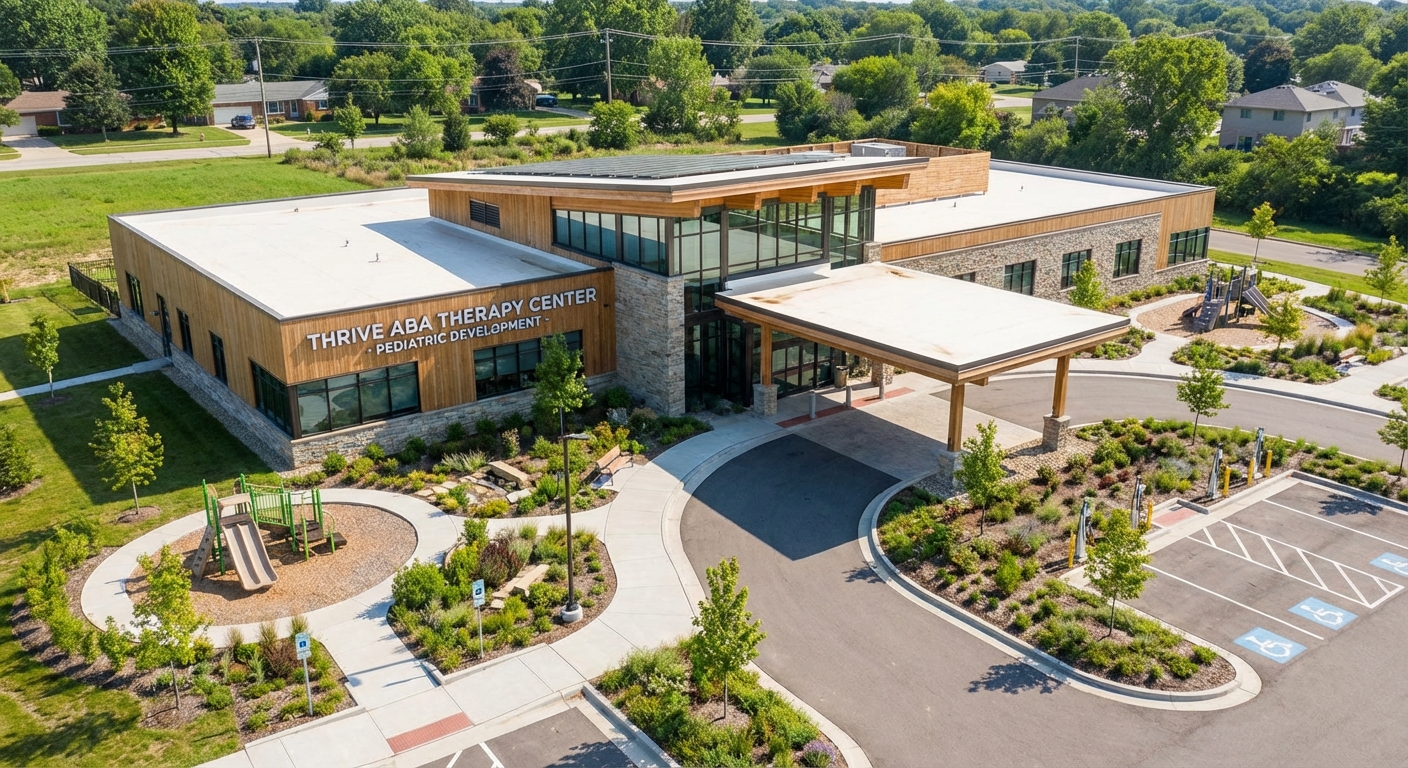
Clinic-based ABA offers structured environments with controlled variables, specialized equipment, and easy access to peer interaction opportunities. Many of the largest ABA providers operate multi-location clinic networks.
Home-based ABA allows therapy to occur in the individual’s natural environment, which can improve the generalization of newly acquired skills to everyday routines and family dynamics.
School-based ABA integrates behavioral support into the educational setting, often through collaboration between BCBAs and school staff. This model is growing as districts seek evidence-based approaches for students with behavioral and developmental needs.
Telehealth ABA expanded dramatically during the COVID-19 pandemic and has remained a significant part of the service delivery landscape. It is particularly valuable for caregiver training, supervision, and reaching underserved geographic areas.
Insurance and Funding for ABA Services
Access to ABA therapy is shaped heavily by insurance coverage and state-level policy. All 50 U.S. states now have some form of autism insurance mandate requiring coverage of ABA services, though the specifics (age caps, dollar limits, and provider requirements) vary significantly from state to state.
Medicaid is the single largest payer for ABA services nationally. Federal law requires that Medicaid cover medically necessary treatments for individuals under 21 through the Early and Periodic Screening, Diagnostic, and Treatment (EPSDT) benefit. However, reimbursement rates, prior authorization requirements, and administrative processes differ widely across state Medicaid programs.
The mental health parity landscape adds another layer of complexity. The federal Mental Health Parity and Addiction Equity Act (MHPAEA) and its evolving final rules continue to shape how commercial insurers must cover behavioral health services, including ABA.
The ABA Industry Today
The ABA therapy industry has experienced remarkable growth over the past decade, driven by rising autism prevalence rates, expanding insurance mandates, and increased public awareness. What was once a fragmented market of small private practices has transformed into a multi-billion-dollar industry attracting significant attention from private equity investors, healthcare systems, and strategic acquirers.
This growth has brought both opportunity and challenge. Workforce shortages remain the industry’s most pressing constraint — demand for BCBAs and RBTs consistently outpaces supply. Burnout, compensation concerns, and career sustainability are active areas of discussion within the professional community.
Mergers and acquisitions activity has reshaped the competitive landscape, with large multi-state platforms consolidating market share while independent practices navigate an increasingly complex operating environment. Technology adoption, from practice management software to AI-assisted clinical documentation, is accelerating across the sector.
Common Questions About ABA
Is ABA only for children with autism? No. While autism therapy represents the largest application of ABA, the principles are used across populations and settings, including individuals with traumatic brain injuries, substance use disorders, organizational behavior challenges, and educational settings serving neurotypical students.
How many hours of ABA therapy are typically recommended? Research supporting intensive ABA generally references 25 to 40 hours per week, though modern practice increasingly emphasizes individualized dosage based on assessment results, family priorities, and the specific goals being targeted.
What is the difference between ABA and other behavioral therapies? ABA is distinguished by its commitment to systematic data collection, single-subject experimental designs, and adherence to the seven dimensions outlined in the foundational Baer, Wolf, and Risley framework. Other behavioral approaches may share philosophical roots but differ in methodology and rigor.
How do I find a qualified ABA provider? The BACB maintains a public registry of certified practitioners. When evaluating providers, key questions include caseload sizes, supervision ratios, staff training protocols, and how treatment goals are developed and reassessed.
Further Reading and Resources
Behavior Analyst Certification Board (BACB)
Association for Behavior Analysis International (ABAI)
Breaking News ABA — Clinical Practice Coverage