
Act I: The Founding Bet (2010–2016)
WASHINGTON, D.C. – The most important number in the history of private equity’s relationship with autism therapy is not a valuation or a multiple. It is 2014 — the year the federal Medicaid mandate for behavioral health services took effect, making ABA therapy a covered benefit for the first time in every state that accepted federal Medicaid dollars. Before that year, the ABA market was a patchwork of state insurance mandates and out-of-pocket families. After it, the industry had a guaranteed, government-backed revenue stream covering millions of potential patients. Wall Street noticed immediately.
Between 2012 and 2021, the M&A advisory firm The Braff Group tracked 223 transactions in the ABA and autism services sector. By 2022, researchers at the Center for Economic and Policy Research found that private equity firms were involved in 85 percent of all autism services M&A — a concentration rate not found in any other healthcare segment. A Brown University School of Public Health study released in January 2026 estimated that PE firms have acquired more than 500 autism therapy centers across the U.S. over the past decade. The results have been complicated: expanded access in some markets, destabilization and bankruptcy in others, and a cost-containment backlash from Medicaid payers that now threatens the financial model that attracted investors in the first place.
The private equity era in ABA did not begin with the 2014 mandate. It began four years earlier, when Great Point Partners — a Connecticut-based firm managing $370 million — acquired Pacific Child and Family Services and used it as the foundation for a new platform company: Autism Learning Partners (ALP).
Autism Learning Partners / Great Point Partners (2010, platform creation): Over the next eight years, Great Point used ALP to complete six add-on acquisitions, building it into one of the largest ABA provider organizations in the country. When Great Point exited in December 2016 — selling ALP to FFL Partners in a secondary buyout valued at $270 million — it realized one of the most profitable exits the autism industry had yet seen. FFL Partners, a San Francisco firm with $4.5 billion under management, described ALP as having the best combination of clinical rigor, business discipline and growth aspirations of any company it had evaluated. Employees who later spoke to researchers described a different trajectory: standardized cookie-cutter treatment plans and a billing machine mentality that took hold after ownership changed hands.
The ALP-to-FFL transaction in 2016 was the opening gun. It demonstrated that ABA companies could be bought, scaled, and sold at large multiples in relatively short time horizons. The race was on.
Act II: The Gold Rush (2017–2019)
The three years between 2017 and 2019 were what industry insiders call the frenzy. Insurance mandates were fully in place across most states, autism prevalence rates were rising, and the federal Medicaid mandate had unlocked a reliable government payer. Deal multiples climbed to 10 to 15 times EBITDA — extraordinary numbers for a healthcare services business.
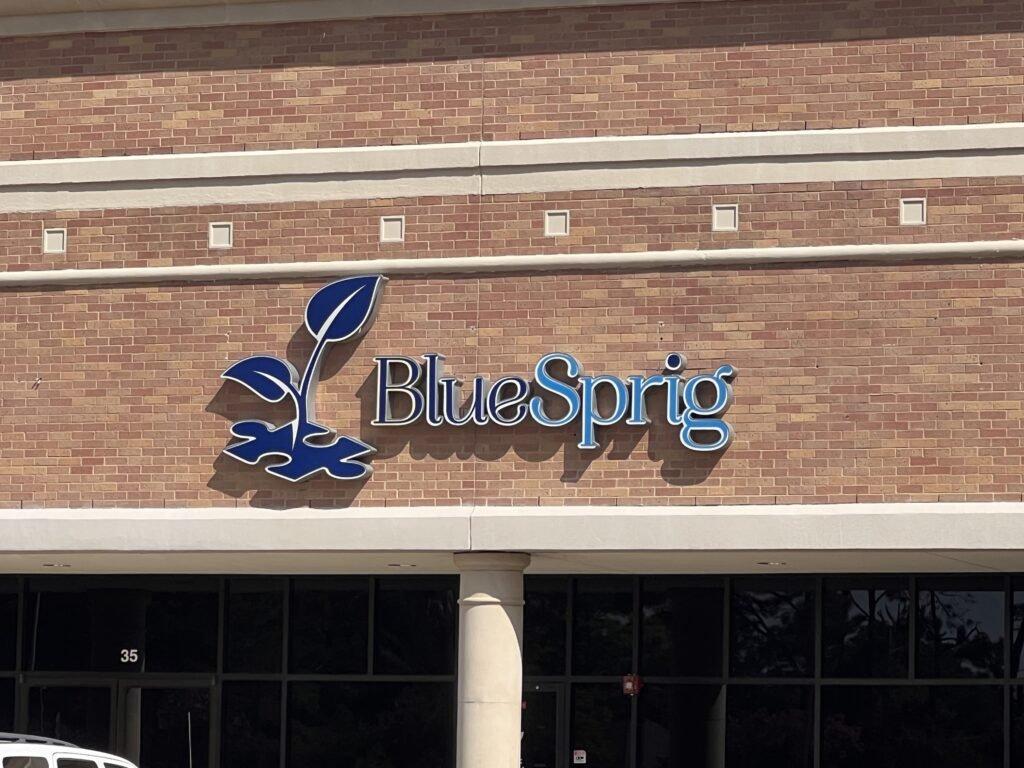
BlueSprig Pediatrics / KKR (2017, platform creation): KKR entered the ABA market by creating BlueSprig Pediatrics in Houston as a clinic-based provider for children with autism spectrum disorder. Using it as a consolidation platform, KKR completed eight add-on acquisitions in three years, growing from a single location to 160 centers across 15 states. In 2020, BlueSprig merged with Florida Autism Center at approximately $120 million. In 2023, it acquired Trumpet Behavioral Health from WindRose Health Investors, adding 37 locations across seven states.
Behavioral Innovations / Shore Capital (2017, platform investment): Chicago-based Shore Capital backed founders Dan Nicholson, Carla Edwards, and Lori Russo — all BCBAs — in 2017. Shore built BI into a 77-center network across Texas, Oklahoma, and Colorado before selling to Tenex Capital Management in 2024 for approximately $300 million. The Shore-to-Tenex transaction is one of the cleaner examples of the PE playbook working as intended: clinical leadership preserved, debt disciplined, exit orderly.
Center for Autism and Related Disorders (CARD) / Blackstone (May 2018, ~$600–700M): The largest single transaction in ABA history at the time, and the industry’s most cautionary tale. Blackstone acquired CARD — founded in 1990 by Dr. Doreen Granpeesheh and operating approximately 265 clinics at its peak — in a leveraged buyout valued at approximately $600 to $700 million. Training hours for behavior technicians fell from 86 hours in 2016 to 36 hours by 2020. By mid-2022, CARD was closing operations in ten states. In June 2023, it filed for Chapter 11 with $82 million in losses and $245 million in debt. Granpeesheh bought the company back in a bankruptcy auction for approximately $25 million — less than four cents on the dollar.
Lighthouse Autism Center / Abry Partners (October 2018): Abry Partners made a strategic investment in Lighthouse Autism Center, an Indiana-based ABA provider founded in 2012 by Gregg and Sandy Maggioli, with 20-plus locations across Indiana and Michigan. Abry would hold the asset for three years before selling to Cerberus Capital Management.
Action Behavior Centers / NexPhase Capital (2018): NexPhase invested in Action Behavior Centers when it had just five locations in Austin, Texas. NexPhase scaled ABC to 162 locations — a 32-fold increase — before selling to Charlesbank Capital Partners at an $840 million valuation.
Hopebridge / Arsenal Capital Partners (May 2019, ~$255M): Arsenal Capital Partners acquired Hopebridge in a deal valued at approximately $255 million. At the time, Hopebridge operated roughly 35 centers across four states. Under Arsenal, it expanded to more than 100 centers across 12 states by early 2022, employing approximately 5,000 people.
Centria Healthcare / Thomas Lee Partners (2019): Thomas Lee Partners acquired Centria Healthcare, a Michigan-based ABA provider that had become the largest in its home state. The transaction value was not publicly disclosed. Centria later became one of the most scrutinized PE-backed ABA providers after allegations of fraudulent billing and labor abuses.
Act III: The Roll-Up Boom and Its Limits (2020–2021)
The COVID-19 pandemic briefly slowed platform-level transactions, but deal volume at the add-on level remained elevated. By mid-2021 the platform market had returned with force.
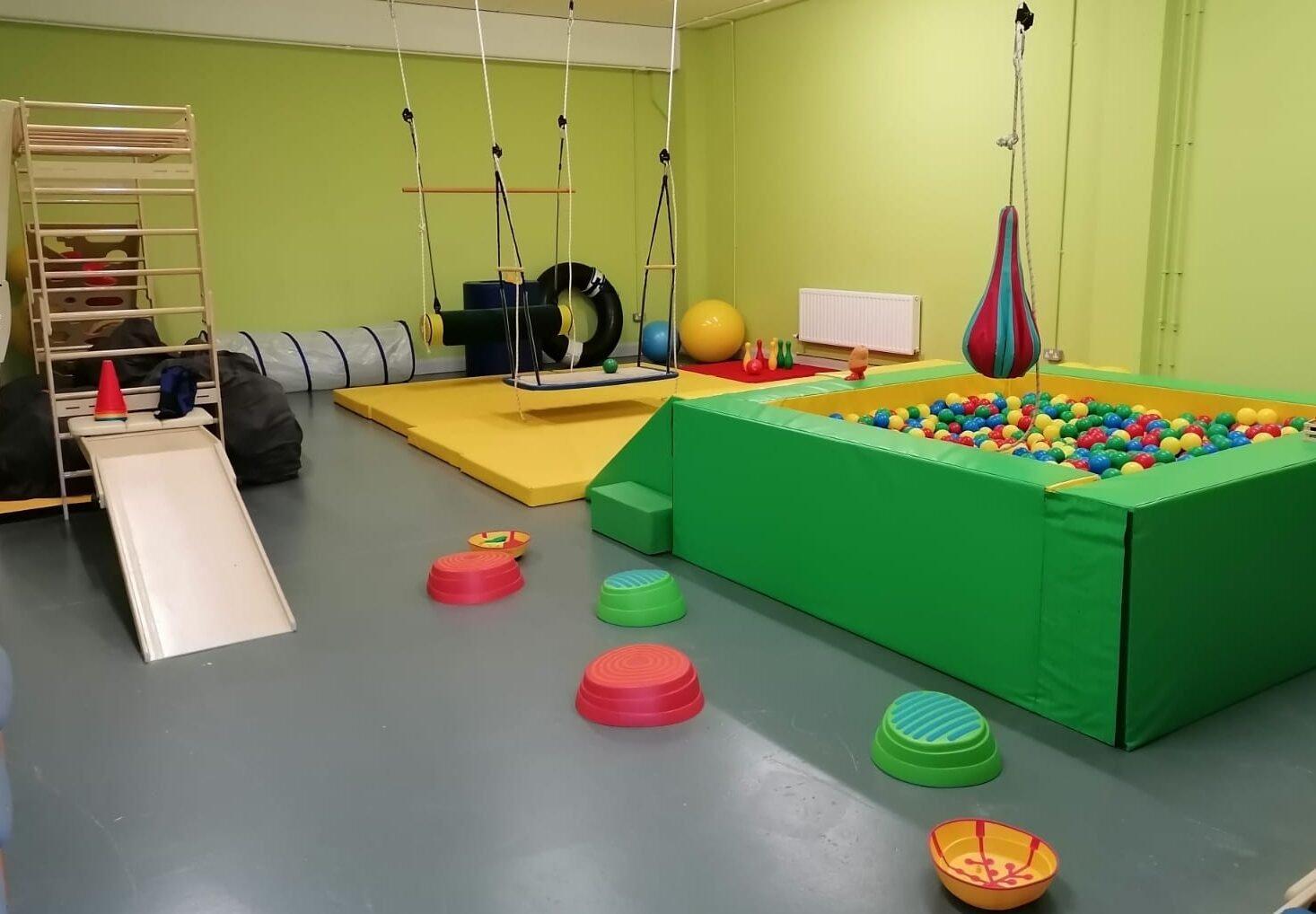
Lighthouse Autism Center / Cerberus Capital Management (July 2021, $400M+): Cerberus Capital acquired Lighthouse from Abry Partners at a valuation of more than $400 million — the first autism-platform-level transaction in more than a year, financed by Silver Point Finance and Fortress Capital. The per-location valuation implied by the deal was substantially higher than what Hopebridge had commanded two years earlier, confirming that multiples had continued rising even as deal volume slowed.
Acorn Health / Ontario Teachers’ Pension Plan (August 2021): The Ontario Teachers’ Pension Plan Board acquired Acorn Health, signaling that institutional investors beyond traditional PE funds were entering the ABA space — a sign the sector had reached mainstream infrastructure-grade status.
Action Behavior Centers / Charlesbank Capital Partners (August 2022, ~$840M): NexPhase Capital’s exit from ABC to Charlesbank at an $840 million valuation — against $60 million in projected annual EBITDA — implied a purchase multiple of approximately 14x. The deal was one of the largest secondary buyouts in ABA history and validated the most aggressive version of the roll-up thesis.
Act IV: The Reckoning (2022–2023)
The year 2022 marked the inflection point. High interest rates made leveraged buyouts more expensive. Wage inflation hit ABA providers hard — RBT wages rose faster than Medicaid reimbursement rates in most states. And CARD’s slow-motion collapse signaled to the market that the leverage-and-scale model had real limits in a sector where clinical quality could not be separated from financial performance.
The Braff Group’s data showed deal volume fell sharply in 2023. Platform multiples compressed to 6 to 8 times EBITDA — roughly half of what the same assets commanded at the top of the market.
CARD Bankruptcy (June 2023): Five years after Blackstone’s $600 million acquisition, CARD filed for Chapter 11 in federal bankruptcy court in Texas with $82 million in losses and $245 million in debt. It was sold to a group led by founder Doreen Granpeesheh for approximately $25 million in August 2023 — less than 5 percent of what Blackstone had paid. The CEPR concluded directly that Blackstone’s debt-loading and overexpansion had turned CARD from a sustainable clinic network into a cautionary example of financialized health care.
BlueSprig / Trumpet Behavioral Health (October 2023): KKR’s BlueSprig acquired Trumpet Behavioral Health from WindRose Health Investors, adding 37 locations across seven states in one of the largest single ABA transactions of the year.
Invo Healthcare / Golden Gate Capital (September 2023): Golden Gate Capital acquired Invo Healthcare, a national provider of school-based and community ABA services operating in 27 states and serving more than 70,000 children annually.
“Deal flow is back on the way up for autism and likely to stay that way.” — Dexter Braff, President, The Braff Group (mid-2024)
Act V: The Tech Deal and the Rebound (2024–2025)
By early 2024, the market had found its footing. The Braff Group tracked at least 12 autism deals in Q1 2024 alone, up sharply from the prior year. Current multiples have settled at 6 to 8 times EBITDA — normalized relative to the peak frenzy but still representing significant premiums for well-run platforms.
Behavioral Innovations / Tenex Capital Management (June 2024, ~$300M): Shore Capital’s orderly exit from Behavioral Innovations to Tenex at approximately $300 million was the largest clean ABA provider transaction of the year. BI had grown from a small BCBA-owned practice in 2017 to 77 centers across three states under Shore’s stewardship. The deal was notable for what it was not: there were no reports of billing fraud, workforce exploitation, or rapid clinic closures.
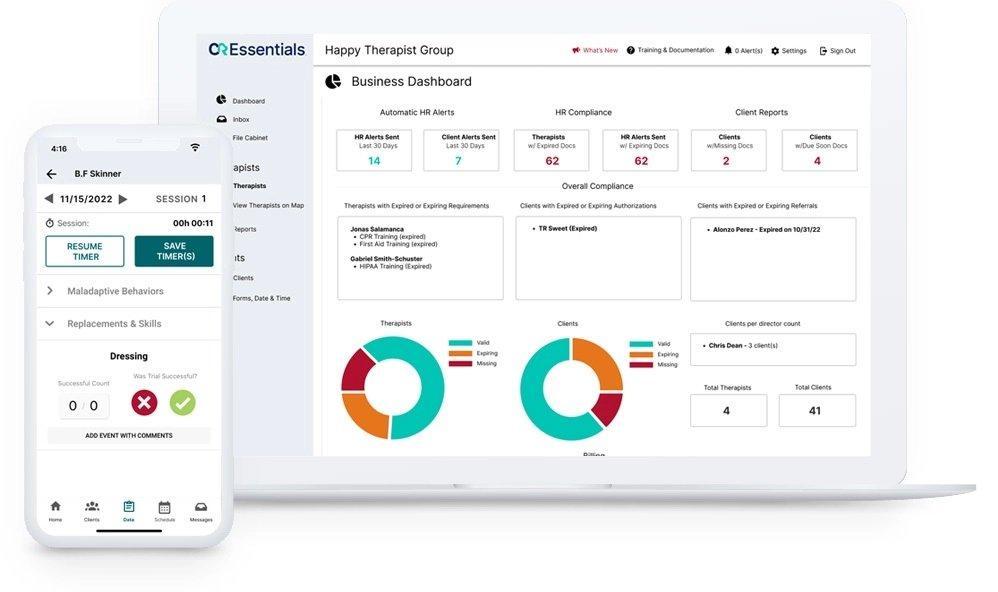
CentralReach / Roper Technologies (April 2025, $1.65B net / $1.85B gross): Roper Technologies (Nasdaq: ROP) acquired CentralReach from Insight Partners for a net purchase price of $1.65 billion. CentralReach had grown from 20,000 to over 200,000 daily users since Insight’s 2018 investment and was on track for approximately $175 million in annual revenue. The deal was not a provider acquisition — it was a software infrastructure acquisition. Roper was buying the operating system of the ABA industry, not the clinics. It signals that the industry has matured enough for its technology layer to command SaaS-level multiples.
Q1 2025 recorded 15 ABA and autism therapy transactions — the highest single-quarter volume since Q2 2022. New entrants appeared alongside familiar names: Nautic Partners acquired Proud Moments ABA from Audax Private Equity; Already Autism Health completed two acquisitions within days of each other; ACES — backed by General Atlantic — acquired Ally Pediatric Therapy, expanding to 92 locations across seven states.
What the Deals Actually Produced
The aggregate record of private equity in ABA is not cleanly positive or negative — it is contextual. The platforms that succeeded tended to share three characteristics: experienced clinical leadership preserved post-acquisition, disciplined debt structures, and realistic exit timelines that matched the operational realities of a Medicaid-heavy business.
The platforms that failed tended to share three different characteristics: rapid debt loading, centralized management by operators with no behavioral health background, and growth plans that assumed reimbursement rates would keep pace with labor costs. The CARD bankruptcy is the cautionary extreme. The Behavioral Innovations-to-Tenex sale is the constructive one.
The current Medicaid reimbursement environment — with multiple states cutting rates, implementing prior authorization requirements, and capping hours — introduces a new variable that did not exist during the 2017-to-2019 frenzy. How the 2025 cohort of buyers performs against that backdrop is the next chapter in a story the industry is still writing.
AT A GLANCE
First PE Entry: Great Point Partners / Autism Learning Partners (2010)
Total PE Acquisitions: 500+ autism therapy centers since 2015 (Brown Univ., Jan. 2026)
PE Share of All Deals: 85% of all autism M&A, 2017–2022 (CEPR / Open Minds)
Peak Deal Multiples: 10–15x EBITDA (2017–2019 frenzy)
Current Multiples: 6–8x EBITDA (2024–2025)
Largest Provider Deal: CARD / Blackstone, ~$600–700M (May 2018)
Largest Tech Deal: CentralReach / Roper Technologies, $1.65B net (April 2025)
Biggest Collapse: CARD — bought for $600M, sold in bankruptcy for ~$25M (Aug. 2023)
Total Deals, 2012–2021: 223 transactions (The Braff Group)
2025 Deal Volume: 15 transactions in Q1 — highest single quarter since Q2 2022
SOURCES & REFERENCES
1. – The Braff Group. ABA and autism M&A deal volume data, 2012–2025. thebraffgroup.com
2. – Mertz Taggart. Q1 2025 Behavioral Health M&A Report. mertztaggart.com (May 2025)
3. – Center for Economic and Policy Research (CEPR). Pocketing Money Meant for Kids: Private Equity in Autism Services. Updated 2025. cepr.net
4. – Brown University School of Public Health. PE acquisitions in autism therapy centers study. January 2026
5. – Open Minds Market Intelligence. 85% of Autism Market Sector M&A Involve Private Equity Investment. March 12, 2025. openminds.com
6. – Wikipedia. Center for Autism and Related Disorders. Blackstone acquisition and bankruptcy sections (accessed March 2026)
7. – NBC News. The Center for Autism and Related Disorders grew to 265 clinics. Then private equity took over. March 14, 2024
8. – CARD. Founder Doreen Granpeesheh Poised to Rebuild ABA Access. centerforautism.com. August 28, 2023
9. – Blackstone. Blackstone to Acquire Center for Autism and Related Disorders (CARD). blackstone.com (2018)
10. – Fortune. How a private equity money grab has reshaped autism therapy. July 29, 2022
11. – PRNewswire. Arsenal Capital Partners Announces Acquisition of Hopebridge. May 6, 2019
12. – Behavioral Health Business. Charlesbank Capital Partners to Acquire Action Behavior Centers at $840M Valuation. August 17, 2022
13. – Cerberus Capital Management. Lighthouse Autism Center and Cerberus Announce Strategic Partnership. July 26, 2021
14. – Roper Technologies. Roper Technologies to Acquire CentralReach. Nasdaq: ROP press release. March 24, 2025
15. – Behavioral Health Business. Roper Technologies to Buy ABA Software Company CentralReach for $1.65 Billion. March 24, 2025
16. – Shore Capital Partners. Shore Capital Partners Announces Sale of Behavioral Innovations. BusinessWire. June 6, 2024
17. – Mertz Taggart. Q2 2024 Behavioral Health M&A Report. mertztaggart.com
18. – Private Equity Stakeholder Project (PESP). Private Equity Health Care Acquisitions — January 2026. pestakeholder.org
19. – KKR / BlueSprig Pediatrics. BlueSprig and FAC Partner to Build a National Leader in ABA Therapy Services. PRNewswire. March 5, 2020
20. – BreakingNewsABA.com — March 2026