In 1926 the poet Robert Frost read three short stories by a 22-year-old Hamilton College graduate and pronounced him the most gifted young prose writer he had seen all year. The graduate, B.F. Skinner, carried that verdict home to his parents’ house, built himself a quiet study, and sat down to write great fiction. Almost nothing came. Two years later he gave up on literature and enrolled in a field he had never formally studied: psychology.
Skinner had arrived at Hamilton College in Clinton, New York, in 1922, set on becoming a writer. He majored in English, and in the summer before his senior year he studied at the Bread Loaf School of English in Vermont, where he met Frost, who asked to see his work. The letter that came back, now held in the Hamilton College archives, was the kind of encouragement most young writers only dream about. It may have been the worst thing that could have happened to him.
The Dark Year
After graduating in 1926, Skinner moved back in with his parents, by then in Scranton, and built a study where he could work undisturbed. The work did not come. Over roughly eighteen months he produced a dozen short newspaper pieces and a few model sailing ships, and little else. He decided he had nothing to say. He had read widely and lived little, he concluded, and no amount of technique could manufacture a point of view he did not have.
“I ought to say you have the touch of art … You are worth twice anyone else I have seen in prose this year.” – Robert Frost, letter to B.F. Skinner, 1926
He later called it the Dark Year. When it ended he moved to Greenwich Village in New York, reading and clerking in a bookstore, still a writer in name but no longer in practice. The literary life had not rejected him. He had rejected it, on the evidence that it could not do what he wanted done.
Pavlov and Watson
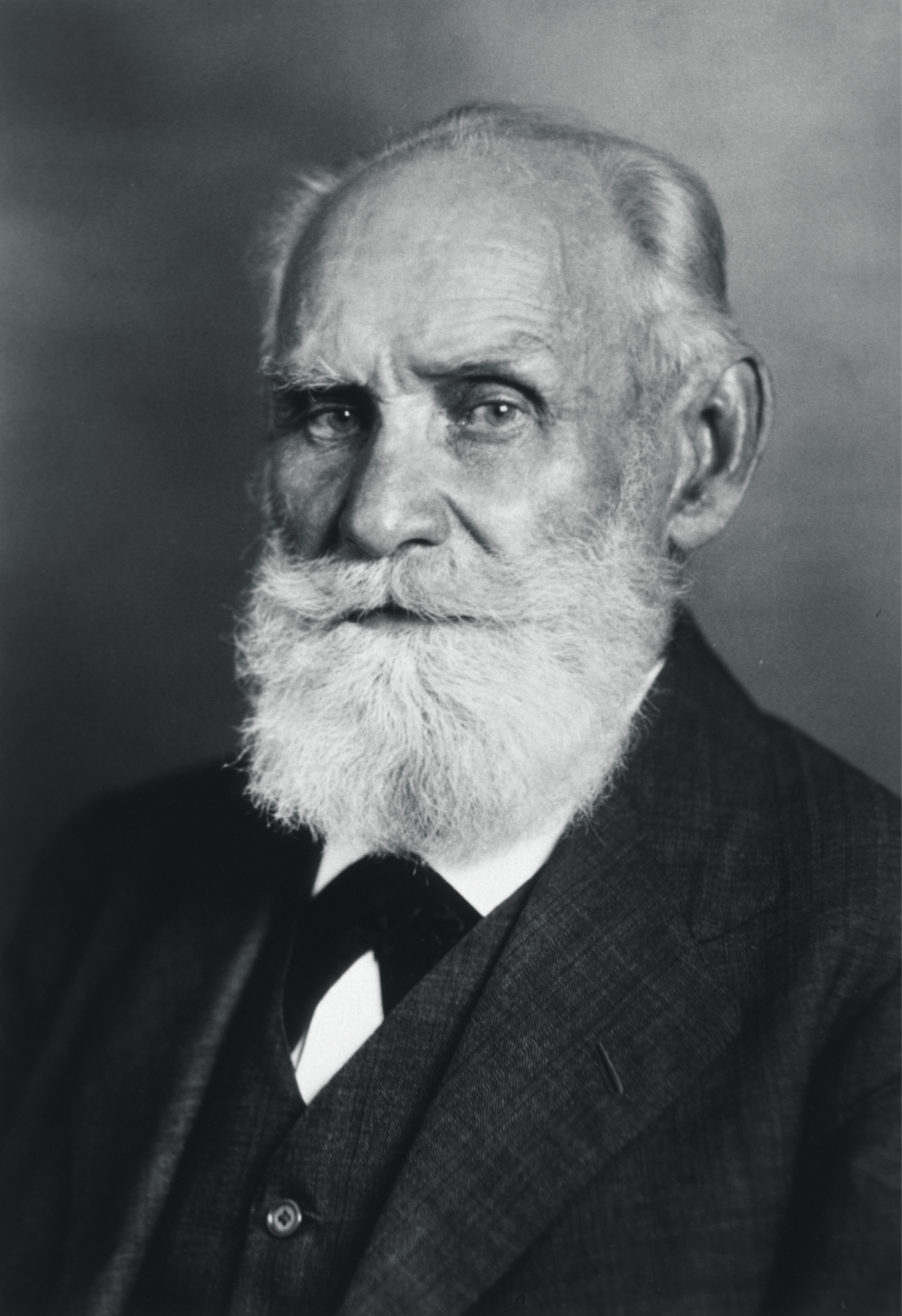
The turn came through reading. In the middle of the dark year Skinner picked up Bertrand Russell’s new book, An Outline of Philosophy, and found in it a discussion of John B. Watson, the American psychologist who argued that behavior could be studied as objectively as any physical event. Russell meant in part to criticize Watson. The criticism had the opposite effect on Skinner, who went looking for the source.
He found Watson’s Behaviorism and Ivan Pavlov’s Conditioned Reflexes, and they reorganized what he wanted to do with his life. Here was a way to describe what organisms do that did not depend on introspection, intuition, or the novelist’s guesswork about an inner life. Behavior was lawful. It could be measured, predicted, and changed by arranging the conditions around it. In 1928, at twenty-four and with no psychology courses behind him, Skinner enrolled as a graduate student in the Harvard Department of Psychology.
From the Inside to the Outside
The failed novelist had been trying to explain people from the inside, through their thoughts, motives, and feelings, the writer’s raw material. Behaviorism proposed the reverse: explain behavior from the outside, by the observable conditions that produce it, and leave the unobservable inner story alone. That single reversal is the foundation the field of behavior analysis would later be built on.
It is also a move a BCBA makes every day. When a behavior plan looks past “he is unmotivated” or “she is defiant” and asks instead what in the environment starts a behavior and what consequence keeps it going, it is choosing Skinner’s 1928 conviction over the literary one he gave up. Applied behavior analysis is not a theory of the mind. It is a science of what can be seen, measured, and changed, and it traces to the year a writer concluded that his explanations from the inside had failed.
The writer was not wasted. The same year that impressed Frost would later make Skinner one of the most widely read psychologists in America, the author of a utopian novel and a run of bestsellers that carried behaviorism to the public. For now, though, he was a beginner again, twenty-four years old and starting over in a laboratory.
The next article picks him up at Harvard, where the literary dropout would build a box, a lever, and a recording drum, and turn the study of behavior into an experimental science.
AT A GLANCE
| Hamilton College: | B.A. in English literature, 1926, Clinton, New York |
| Frost connection: | Met Robert Frost at the Bread Loaf School of English; Frost praised his stories in a 1926 letter |
| The “Dark Year”: | About 18 months at his parents’ home; output was a dozen short newspaper articles and a few model ships |
| Self-assessment: | Concluded he had read widely, lived little, and had nothing to say |
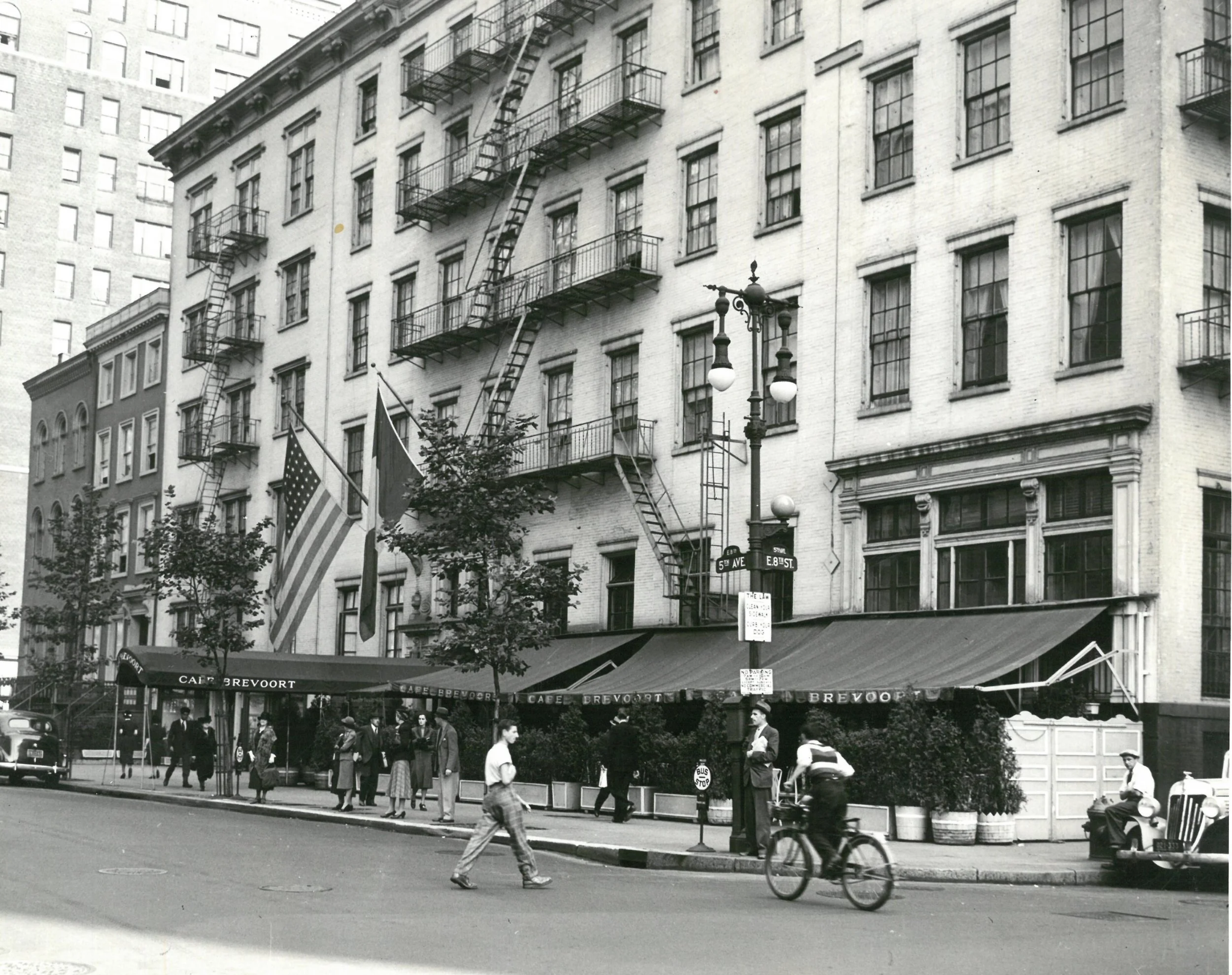
| Greenwich Village: | Worked as a bookstore clerk in New York |
| Turning books: | Bertrand Russell’s An Outline of Philosophy; John B. Watson’s Behaviorism; Ivan Pavlov’s Conditioned Reflexes |
| The pivot: | Abandoned literature for psychology |
| Harvard: | Enrolled in the Psychology Department in 1928, age 24, with no prior psychology coursework |
| Early influences: | Watson, Pavlov, and Thorndike |
| Through-line to ABA: | The shift from explaining behavior from the inside to explaining it by observable, external causes |
| Frost letter today: | Held in the B.F. Skinner Collection, Hamilton College archives |
SOURCES & REFERENCES
| 1. | Wikipedia. “B.F. Skinner.” https://en.wikipedia.org/wiki/B._F._Skinner |
| 2. | Pennsylvania Center for the Book, Penn State University Libraries. “B.F. Skinner.” https://pabook.libraries.psu.edu/literary-cultural-heritage-map-pa/bios/skinner__bf |
| 3. | Harvard Square Library. “B.F. Skinner.” harvardsquarelibrary.org. https://www.harvardsquarelibrary.org/biographies/b-f-skinner/ |
| 4. | Hamilton College Archives. “B.F. Skinner Collection” (includes the 1926 Robert Frost letter). https://archives.hamilton.edu/repositories/5/resources/35 |
| 5. | B.F. Skinner Foundation. “Biographical Information.” https://www.bfskinner.org/archives/biographical-information/ |
| 6. | Skinner BF. Particulars of My Life. New York: Alfred A. Knopf; 1976. |