
The Meeting That Changed the Tone
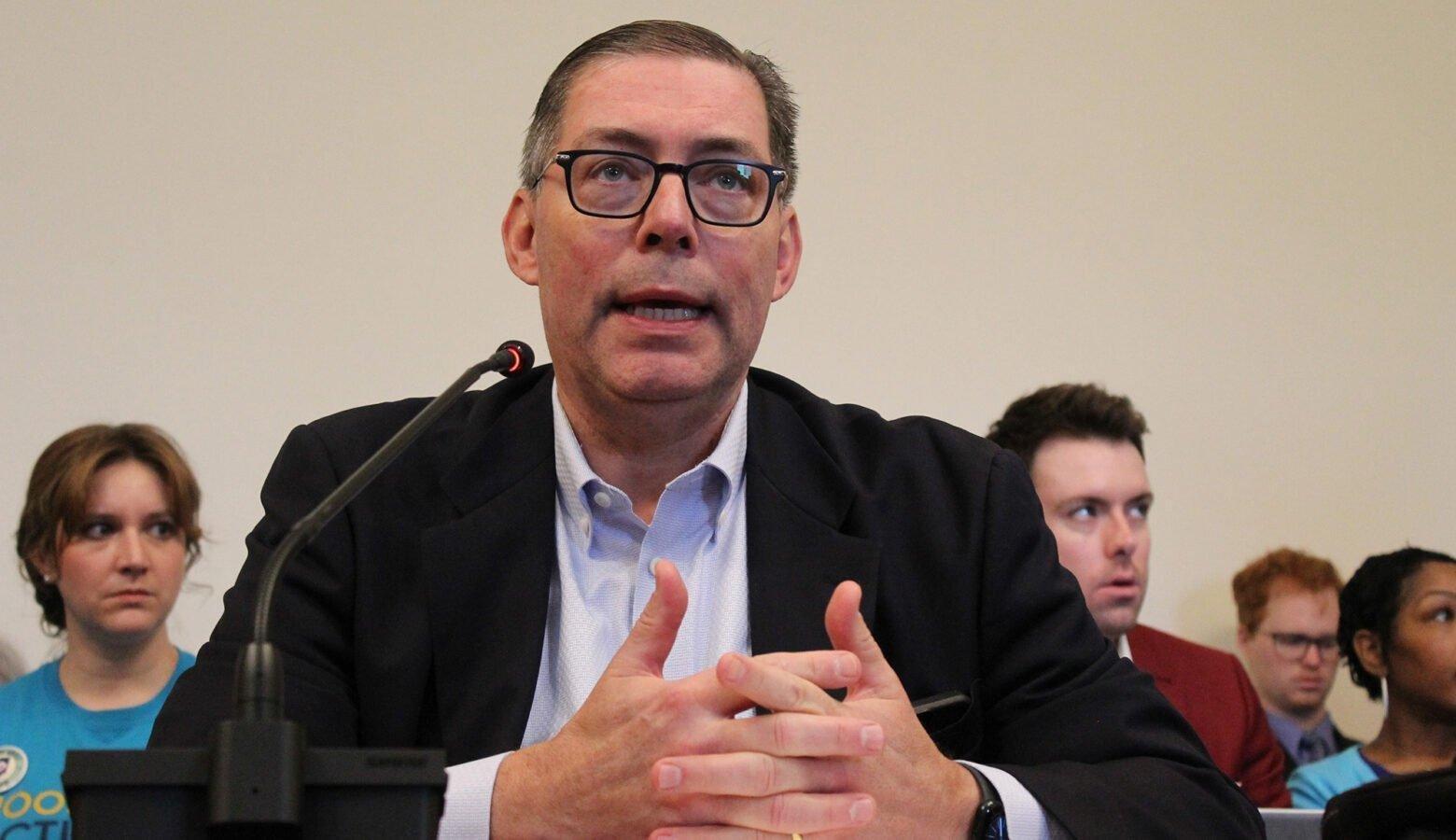
INDIANAPOLIS — The meeting was not scheduled as a confrontation, but it became one. FSSA Secretary Mitch Roob, appointed by Governor Mike Braun, gathered key ABA industry stakeholders for a session that multiple attendees described as tense. The message was unambiguous: providers must self-report to the state any practices that could constitute fraud, waste, or abuse by April 3, 2026. The deadline was immediate and the stakes were clear.
The urgency was driven by a March 10 Wall Street Journal article that placed Indiana at the center of a national investigation into ABA Medicaid billing practices. The Journal identified Indiana as the nation’s hotbed of the booming autism therapy industry and highlighted Piece by Piece Autism Centers, run by Meghann Mitchell, as a case study. According to the Journal’s analysis, Indiana paid Piece by Piece 9 million in Medicaid funds in 2023 to provide ABA therapy to just 84 children — approximately 40,000 per child for the year. At its peak, the company billed Indiana Medicaid at 00 per hour.
Kim Dodson, CEO of the Arc of Indiana, described the tone of the meeting as serious. She told the Indiana Capital Chronicle that Roob was very disappointed in ABA providers because of that Wall Street Journal article. Dodson, whose organization advocates for people with intellectual and developmental disabilities, applauded the administration’s crackdown, but expressed concern that enforcement actions could hurt services for children who genuinely need ABA therapy.
FSSA spokesman Marcus Barlow confirmed the administration’s stance: we take fraud and abuse very seriously, and there’s no doubt that abuse happened. He said that changes already in the works — including a moratorium on new providers and new required accreditation — would be accelerated, though no specific timeline was provided. It remains unclear whether federal agencies have opened a formal probe into Indiana’s ABA program.
He was very disappointed in ABA providers because of that Wall Street Journal article. — Kim Dodson, CEO of the Arc of Indiana, describing FSSA Secretary Roob’s tone at the March meeting
The New Rules: 4,000-Hour Lifetime Cap and Rate Phasedowns
The self-reporting ultimatum sits atop a comprehensive set of ABA reforms that FSSA has been developing since Governor Braun created an ABA working group by executive order in early 2025. The working group — comprising nearly two dozen state leaders, health professionals, and stakeholders — delivered its recommendations in November 2025, pointing to unsustainable growth in ABA spending and warning that gaps in oversight and inconsistencies in billing practices were contributing to rising costs.
A February 26, 2026 FSSA bulletin on ABA program changes outlined the new framework: a phasedown of reimbursement rates and a new lifetime usage cap of 4,000 hours, both taking effect April 1, 2026. Children who exhaust the 4,000-hour allocation may access an additional 15 hours of therapy weekly if medically necessary, subject to prior authorization with peer review. The lifetime cap represents one of the most aggressive utilization controls any state has imposed on ABA services.
The working group also recommended that parents be required to engage in their children’s therapy, proposing nine to 18 hours of coaching or training per six-month authorization period. Roob framed the requirement directly: if the taxpayer is spending that much money helping a child, the parent or caregiver needs to be engaged. The parental engagement mandate reflects a growing concern that some ABA delivery models function as drop-off services where parents are minimally involved in the therapeutic process.
More than 8,000 Hoosiers rely on Medicaid to pay for ABA therapy, with most between ages three and eight. Without intervention, ABA costs were projected to reach an estimated 25 million by 2029 — a trajectory the state described as unaffordable. The working group’s package of recommendations is projected to reduce the annual growth rate from approximately 13 percent to 7–8 percent, though no specific dollar savings estimate has been released.
The prior OIG audit of Indiana’s ABA program, covering 2019 and 2020, had already found 6 million in improper payments and an additional 8 million in potentially improper payments, with a 9.4 million refund recommendation. Indiana’s ABA compliance problems predate the current administration, but the Wall Street Journal investigation transformed them from an audit finding into a national news story.
What Compliance Officers Need to Know Now
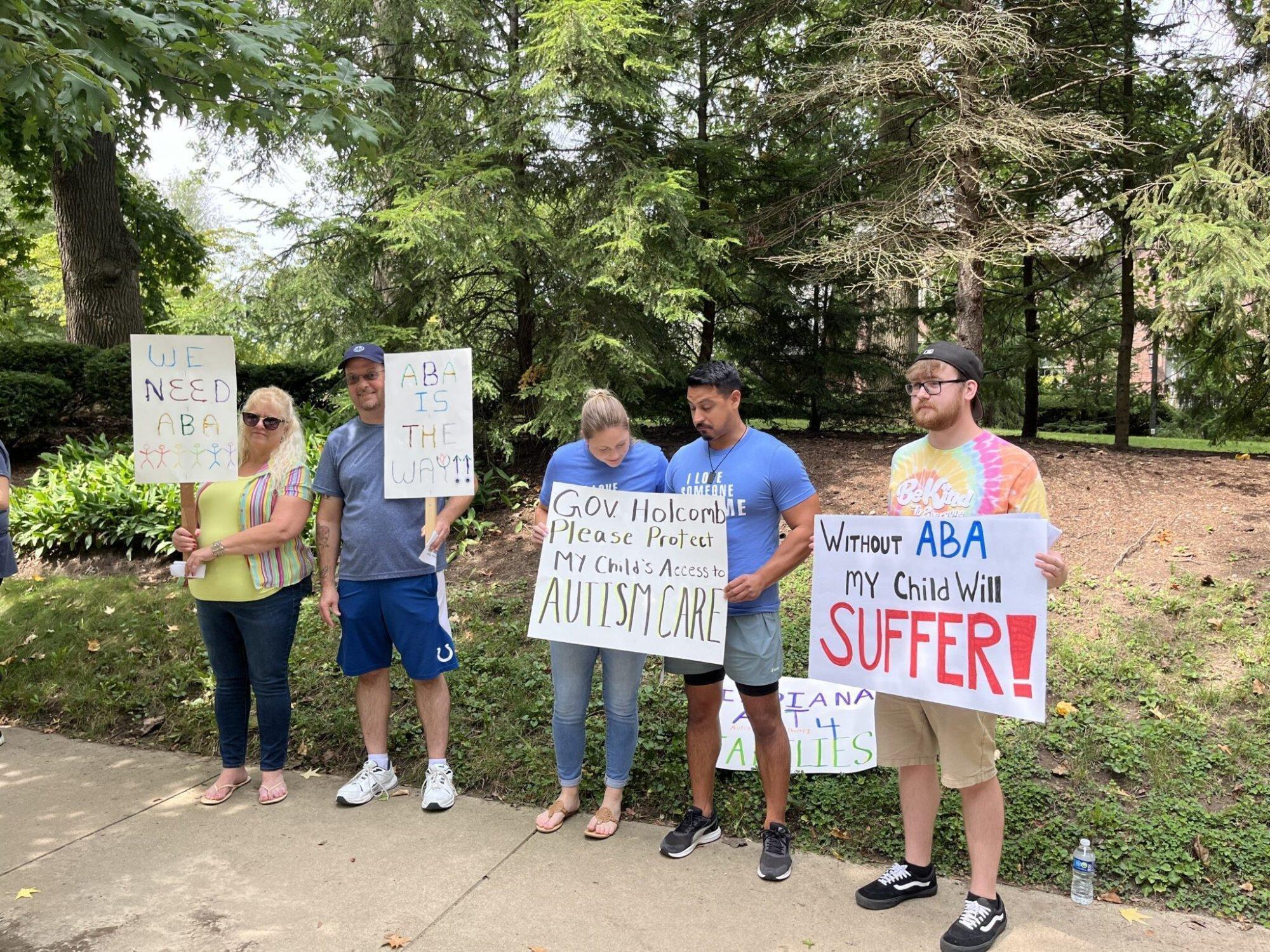
For ABA providers operating in Indiana, the April 3 self-reporting deadline creates an immediate compliance decision. Providers must assess their historical billing practices and determine whether any constitute fraud, waste, or abuse under FSSA’s framework. The self-reporting requirement is designed to identify bad actors proactively — but it also creates liability exposure for providers who disclose practices that may trigger enforcement action.
The moratorium on new ABA providers signals that Indiana intends to stabilize the market before allowing additional entrants. Providers currently operating in the state have a window to demonstrate compliance and quality before the market reopens. The new accreditation requirement, once its timeline is set, will add another layer of qualification that providers must meet to continue billing Medicaid.
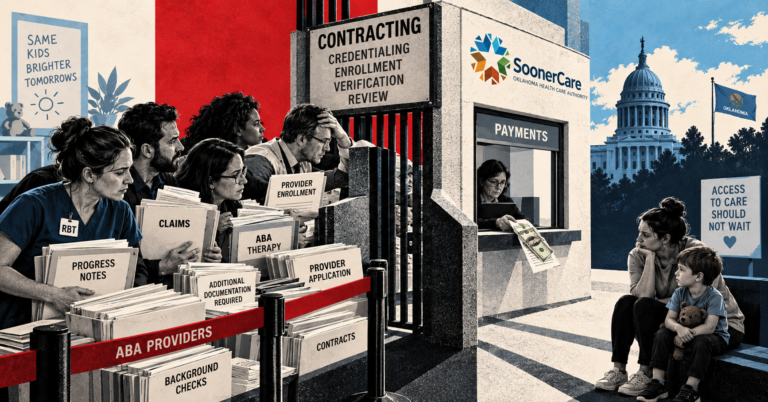
FSSA is also creating a dedicated ABA program office within the agency to replace the fragmented oversight structure in which responsibility for ABA was spread across multiple divisions. Roob described the current structure bluntly: the Office of Medicaid Policy and Planning’s job is to pay claims. A claim comes in, they pay it. They’re not told to be managing a program. The new program office will have staff with clinical expertise and the authority to manage the ABA benefit as a program rather than a claims-processing function.
Indiana’s self-reporting ultimatum and its accompanying reforms represent the most aggressive state-level response to ABA billing concerns anywhere in the country. For the national ABA industry, Indiana is the template for what regulatory enforcement looks like when political will, media scrutiny, and audit findings converge. Every state that bills Medicaid for ABA services should be watching Indiana closely — because the playbook being written in Indianapolis is likely to be replicated.
AT A GLANCE
| Self-report deadline: | April 3, 2026 |
|---|---|
| FSSA Secretary: | Mitch Roob (appointed by Gov. Mike Braun) |
| WSJ trigger: | March 10, 2026 investigation; Indiana called “hotbed of booming ABA industry” |
| Piece by Piece case: | 9M Medicaid for 84 patients = ~40K/child (2023); billed up to 00/hr |
| Lifetime cap: | 4,000 hours; effective April 1, 2026 |
| Rate changes: | Phasedown of reimbursement rates; effective April 1, 2026 |
| Medicaid enrollees: | 8,000+ Hoosiers rely on ABA through Medicaid |
| Cost projection: | 25M by 2029 without intervention |
| Prior OIG audit: | 6M improper + 8M potentially improper; 9.4M refund recommended |
| New requirements: | Provider moratorium, accreditation, parental engagement (9–18 hrs/6 months) |
SOURCES & REFERENCES
| 1. | Indiana Capital Chronicle. “State coming down on ABA providers that potentially abused system.” March 24, 2026. |
|---|---|
| 2. | Indiana Capital Chronicle. “Governor’s group recommends ABA usage cap, rate changes.” November 12, 2025. |
| 3. | FSSA. “Applied Behavioral Analysis therapy services.” in.gov/fssa/applied-behavioral-analysis-therapy. |
| 4. | Wall Street Journal. Investigation into ABA Medicaid spending. March 10, 2026. |
| 5. | HHS-OIG. Indiana ABA audit. (M improper payments; 9.4M refund recommended.) |




Join the discussion ▾