A Cut, and a Response
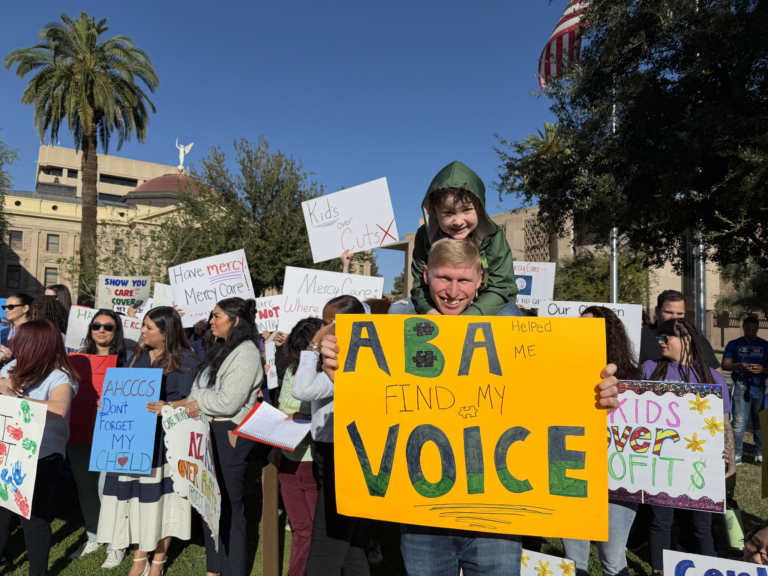
RICHMOND, VIRGINIA – A week after Virginia began limiting how much applied behavior analysis its Medicaid program will cover, families and providers are organizing to reverse the change. A public advocacy campaign is urging parents, not only providers, to tell state lawmakers to undo the new limit before it hardens into a permanent rule.
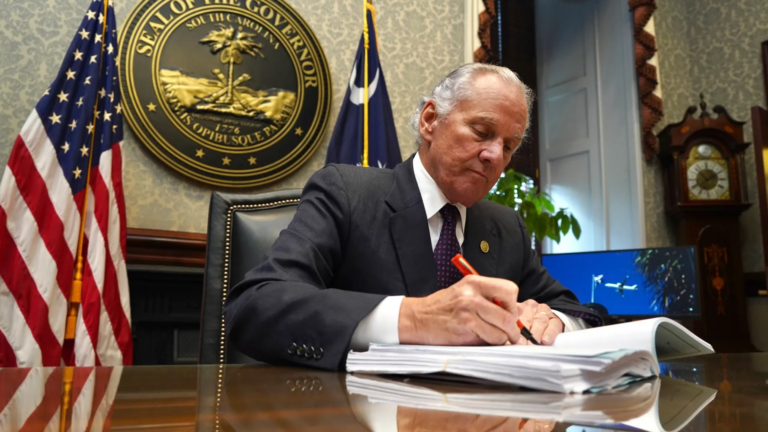
The provision took effect July 1, 2026. It caps ABA at 20 hours a week per Medicaid recipient. It requires a confirmed autism spectrum diagnosis before a child can receive the service, under the 2026 to 2028 state budget, which Governor Abigail Spanberger finalized on June 29. The cap is not absolute. A provider can document medical necessity for additional hours under the Early and Periodic Screening, Diagnostic and Treatment (EPSDT) benefit, and children ages 5 and under can receive ABA on a provisional basis while a diagnosis is confirmed.
Virginia is not acting alone. North Carolina, Indiana, and Nebraska have each recently cut or capped their own ABA benefits, part of a wave of states treating the fast-growing service as a place to find Medicaid savings. What is new in Virginia is the organized effort to push the limit back.
The Campaign Taking Shape
The most visible effort to undo the cap is a campaign titled “Take Action to Preserve ABA Services in the Budget,” hosted on the advocacy platform FastDemocracy. It asks Virginia families to send their stories directly to their own legislators through a prewritten letter they can edit, and it frames the ask in deliberately narrow terms: not new funding, only preservation of the access families already have.
“Lawmakers need to hear from families, not just providers.” – Take Action to Preserve ABA Services in the Budget campaign (2026)
Readers who want to join or support the effort can do so through the campaign page. The form routes each message to the sender’s representatives. It collects details about the family’s own experience with ABA, including how many hours a child receives and what the family expects to happen if those hours are reduced.
What Advocates Say Is at Stake
The campaign’s central objection is timing. In parts of Virginia, families can wait up to 18 months for an autism evaluation, and the new diagnosis requirement means a child could go without ABA during that wait unless the provisional pathway holds. Advocates also argue that a flat 20-hour starting point does not fit young children early in treatment or those with more significant needs, for whom more than 20 hours a week is often medically necessary. Even with an exception written into the policy, they warn, the cap “would likely lead to delays, reduced hours, more appeals, and disrupted care plans.”
The organizers raise a second concern that reaches past Medicaid. Private insurers sometimes adopt limits that first appear in state Medicaid rules, so a cap written for one program could shape commercial coverage decisions later. No insurer has moved to adopt the 20-hour figure so far.
Where Pressure Can Still Land
The fight is not only symbolic because the cap’s real bite depends on rulemaking that has not yet occurred. The Department of Medical Assistance Services still owes the federal Centers for Medicare and Medicaid Services (CMS) a State Plan Amendment, and a DMAS utilization workgroup, which includes a seat for the Virginia Association for Behavior Analysis, will help set the documentation and review rules that determine how strictly the 20-hour limit is enforced. Those are the processes advocates are trying to shape.
The cap itself was not a Spanberger initiative. It originated in the introduced budget under the outgoing Youngkin administration and survived into the version Spanberger signed, one year after the same program raised ABA rates 10 percent to address a provider shortage. How strictly the limit bites now runs through the State Plan Amendment and the utilization workgroup. These two processes will decide enforcement once the paperwork catches up to the policy.
AT A GLANCE
| Effective date: | July 1, 2026 |
| New limit: | 20 hours per week, cumulative ABA per Medicaid recipient (DMAS Item 291) |
| Also required: | Confirmed autism spectrum diagnosis to receive ABA |
| Exceptions: | EPSDT medical-necessity review; provisional pathway for ages 5 and under |
| Projected savings: | $30.8 million general fund per year (introduced budget estimate) |
| The campaign: | “Take Action to Preserve ABA Services in the Budget” (FastDemocracy) |
| Join / support: | fastdemocracy.com/campaigns/wADZTOlzN/Take-Action-to-Preserve-ABA-Services-in-the-Budget |
| Advocates’ concern: | Autism evaluations can take up to 18 months in parts of Virginia |
| Still pending: | DMAS State Plan Amendment to CMS; utilization workgroup (includes VABA seat) |
SOURCES & REFERENCES
| 1. | FastDemocracy. “Take Action to Preserve ABA Services in the Budget.” Advocacy campaign, 2026. https://fastdemocracy.com/campaigns/wADZTOlzN/Take-Action-to-Preserve-ABA-Services-in-the-Budget/ |
| 2. | Thomas, Lucy. “Virginia Caps Medicaid ABA Hours a Year After Raising Rates.” Breaking News ABA. July 2, 2026. https://breakingnewsaba.com/industry-analysis/virginia-caps-medicaid-aba-hours-year |
| 3. | Virginia General Assembly. Item 291 (DMAS), Applied Behavior Analysis services provision, 2026–2028 biennial budget (HB30/HB1600). budget.lis.virginia.gov |
| 4. | Webb, Ethan. “Virginia Medicaid Will Cap ABA at 20 Hours a Week Starting July 1.” Acuity News. July 1, 2026. https://acuity.news/regulation/virginia-medicaid-aba-20-hour-service-cap-dmas-2026/ |
| 5. | Virginia General Assembly, Legislative Information System. “288#12h (DMAS) Increase Medicaid Rates for Applied Behavior Analysis Services by 10%.” HB1600, 2025 Session, patron Del. Mark Sickles. budget.lis.virginia.gov |