What ASAN Said
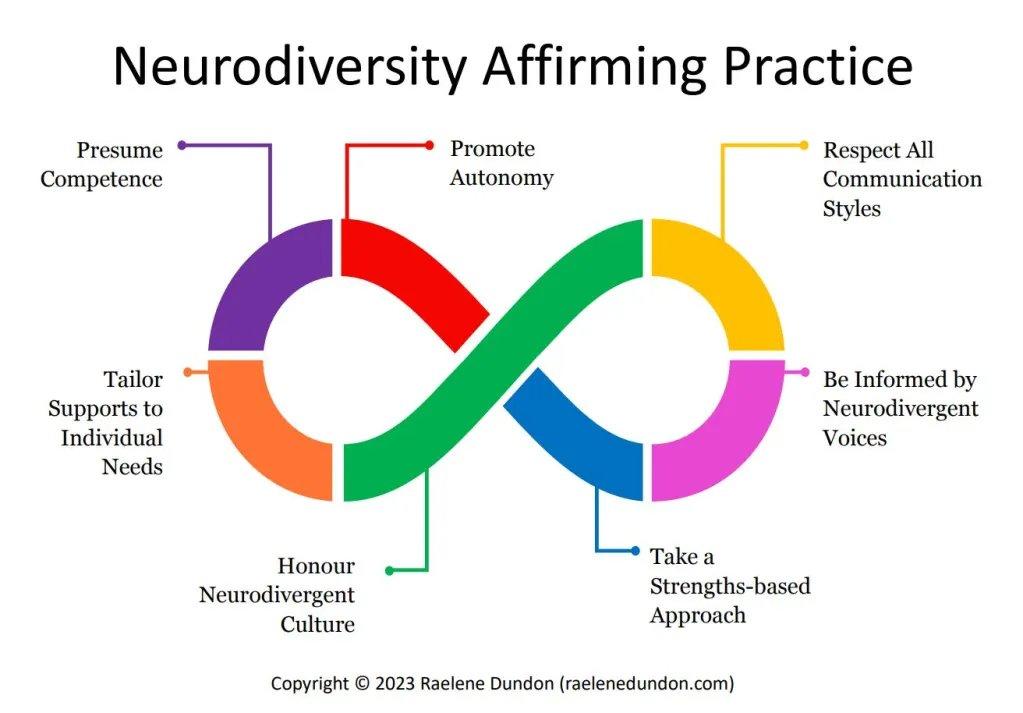
The Autistic Self Advocacy Network has been the most consistent and most consequential critic of the ABA industry since its founding. ASAN’s critique, articulated in position papers, public comments, and advocacy campaigns since 2012 and earlier, rests on several interconnected arguments. First, that traditional ABA prioritizes compliance and behavioral normalization over the autonomy and well-being of autistic individuals. Second, that autistic people are systematically excluded from leadership positions in the organizations that provide services to them. Third, that the industry’s definition of success — measured in reduced stimming, increased eye contact, and compliance with neurotypical social norms — reflects the values of non-autistic practitioners rather than the needs and preferences of autistic clients.
These arguments were controversial in 2012. Many ABA practitioners dismissed them as uninformed or ideological, arguing that ASAN did not understand the science of behavior analysis or the clinical needs of children with significant support requirements. The dismissal was itself evidence of the problem ASAN was describing: an industry that treated the perspectives of its primary constituency as irrelevant to clinical decision-making.
Fourteen years later, the field has moved significantly in ASAN’s direction — at least rhetorically. The BACB’s 2022 Ethics Code revision incorporated principles that directly echo ASAN’s longstanding demands. Core Principle Two requires treating others with compassion, dignity, and respect. Code 2.11 requires obtaining informed consent and assent from learners. The code emphasizes self-determination, particularly for vulnerable populations. The requirement to respect and promote self-determination is language that ASAN advocated for years before the BACB adopted it.
The Rajaraman et al. (2022) paper in JABA — the foundational text of the trauma-informed ABA movement — acknowledged that anecdotal accounts suggest some individuals with lived experience of ABA perceived their services to be violent, dehumanizing, and traumatizing. The Behavior Analysis in Practice special issue on trauma-informed care validated these accounts as important data that the discipline should take seriously. Greg Hanley’s PFA/SBT model builds assent into every session. Centria Healthcare implemented an HRE (happy, relaxed, engaged) baseline for all programming.
Each of these developments represents progress toward what ASAN has been asking for. But each also represents a response that the industry generated internally, on its own timeline, without meaningfully centering autistic voices in the reform process. The reforms were designed by non-autistic behavior analysts, published in non-autistic-led journals, and implemented in clinics with non-autistic leadership. ASAN’s critique was validated; ASAN’s vision was not implemented.
The question is not whether the ABA industry has changed since 2012. It has. The question is whether it has changed because autistic people led the change — or because non-autistic practitioners decided the change was necessary on their own terms, on their own timeline. — BreakingNewsABA editorial
The Org Chart Problem
The most concrete and measurable dimension of ASAN’s critique is representation. How many ABA clinics have autistic people in executive leadership roles? How many have autistic BCBAs on their clinical teams? How many include autistic individuals on their boards of directors? The answer, in 2026, is vanishingly few.
The industry does not publish systematic data on autistic representation in clinic leadership. No accreditation body requires it. No payer asks about it. No investor evaluates it during due diligence. The absence of data is itself telling: if the industry valued autistic representation, it would measure it. The fact that it does not measure it suggests that it does not value it, regardless of what the marketing materials say.
There are exceptions. Joy Johnson, profiled by BreakingNewsABA, is an openly autistic content creator and BCBA advocate who has built a platform arguing for neurodiversity-affirming ABA practices. Dr. Nasiah Cirincione-Ulezi has published research on culturally responsive ABA and the intersection of race, disability, and behavior analysis. These individuals demonstrate that autistic and multiply marginalized people can and do contribute to the field’s clinical and intellectual development. But they are exceptions that prove the rule: the vast majority of ABA clinical leadership, practice ownership, and research leadership remains exclusively neurotypical.
The PE-backed platform model has made the org chart problem worse, not better. PE sponsors select CEOs based on operational experience, financial acumen, and growth track records — not clinical background, disability status, or community engagement. The result is a wave of CEOs brought in from CVS Caremark, InnovaCare, Envision Healthcare, and other corporate healthcare environments who have no personal connection to the autism community. The clinical leadership layer (BCBAs) is predominantly neurotypical because the BCBA training pipeline does not actively recruit or support autistic students, and because the clinical culture of ABA has historically treated autistic perspectives as anecdotal rather than authoritative.
What Real Reform Looks Like
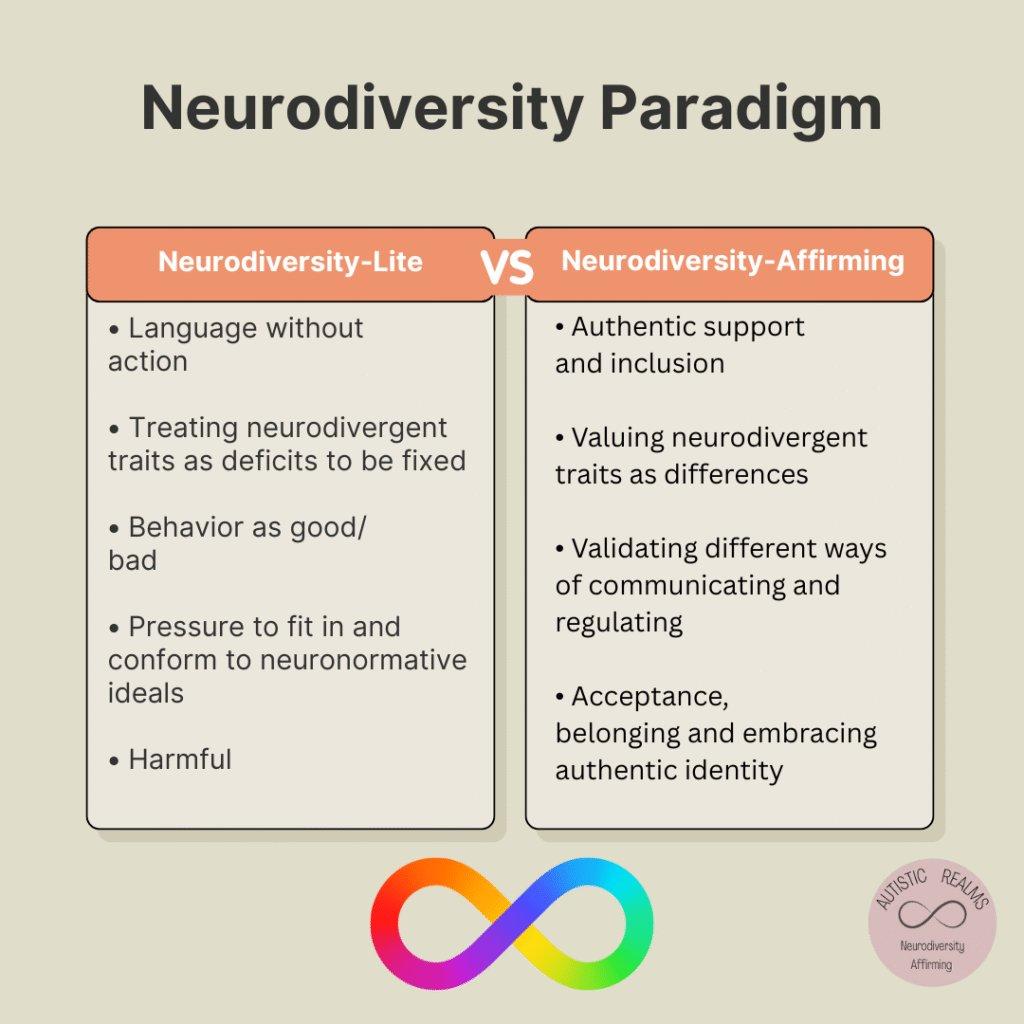
Real reform is not a revised ethics code or a trauma-informed CEU course. Real reform would include four structural changes that the industry has not yet made.
1. Autistic leadership in clinical governance. Every ABA practice should have at least one autistic individual in a clinical governance role: a board member, a clinical advisory committee member, or a clinical director. This person should have decision-making authority, not merely advisory input. The standard should be nothing about us without us — the disability rights principle that ASAN helped popularize.
2. Treatment goals set collaboratively with autistic clients. Treatment plans should be developed in collaboration with the autistic individual (to the extent they can participate), their family, and the clinical team. Goals should reflect what the individual and family identify as important, not what the BCBA determines based on standardized assessments alone. This requires communication supports, preference assessments that go beyond reinforcer identification, and a willingness to prioritize the client’s stated goals over the clinician’s professional judgment.
3. Outcome measures that reflect well-being, not just compliance. The industry’s outcome measures — skill acquisition rates, behavior reduction percentages, treatment plan goal completion — reflect the clinician’s definition of success. Measures of well-being, quality of life, autonomy, and self-determination should be weighted equally. The Behavioral Sciences paper on value-based care called for metrics that focus on child and family wellbeing and engagement rather than child outcomes that are inherently variable. Hi Rasmus’s HiQ Impact Score and Catalight’s Wellbeing Scales represent early attempts at broader measurement, but they are the exception, not the norm.
4. Active recruitment and support of autistic BCBAs. The BCBA pipeline should actively recruit autistic students, provide accommodations during training, and create supervisory environments that value neurodivergent perspectives. An autistic BCBA brings lived experience that no amount of academic training can replicate. The field’s clinical culture should treat that lived experience as an asset, not a limitation.
These reforms would not solve every problem in ABA. They would not eliminate billing fraud, prevent rate cuts, or resolve the dosage debate. But they would address the foundational critique that ASAN articulated 14 years ago: that the ABA industry serves autistic people without meaningfully including them in the design, delivery, and governance of their own care.
Why This Matters Now
The timing of this editorial is not accidental. The ABA industry is at an inflection point. The OIG audits, the rate cuts, the Piece by Piece shutdown, and the Wall Street Journal investigation have created a crisis of public confidence that the industry has never faced. The traditional response — defend ABA as the gold standard, cite the Lovaas study, and push back against critics — is no longer sufficient. The public sees an industry that billed $2.2 billion in Medicaid payments with 100 percent error rates in every state audited. The traditional defense does not address that reality.
What could address it is a genuine commitment to the reforms that ASAN and the autistic self-advocacy community have been requesting for more than a decade. An industry that includes autistic voices in its leadership is an industry that is harder to characterize as exploitative. An industry that measures well-being and self-determination alongside skill acquisition is an industry that can demonstrate value beyond billable hours. An industry that treats its clients as partners rather than subjects of behavioral modification is an industry that the public, the payers, and the regulators can trust.
ASAN was right in 2012. The industry has spent 14 years catching up, slowly and incompletely. The crisis of 2026 is an opportunity to close the gap — not because it is politically convenient, but because it is clinically necessary, ethically required, and long overdue. The children and adults who receive ABA services deserve an industry that is built with them, not just for them. That is what real reform looks like. And it starts with listening to the voices the industry has spent decades ignoring.
AT A GLANCE
| ASAN critique (2012+): | Compliance-based ABA; absence of autistic voices; behavioral normalization over autonomy |
|---|---|
| BACB Ethics Code 2022: | Added assent, dignity, self-determination; echoes ASAN demands |
| Rajaraman et al. (2022): | JABA acknowledged some individuals perceived ABA as traumatizing |
| Hanley PFA/SBT: | Assent-based; session stops if client not willing; HRE baseline |
| Org chart reality: | Vast majority of ABA clinical/executive leadership is exclusively neurotypical |
| PE model impact: | CEOs from corporate healthcare; no autism community connection; financial metrics prioritized |
| Exceptions: | Joy Johnson (autistic BCBA advocate); Dr. Nasiah Cirincione-Ulezi (culturally responsive ABA) |
| 4 reforms proposed: | (1) Autistic clinical governance; (2) Collaborative goal-setting; (3) Well-being measures; (4) Recruit autistic BCBAs |
| Well-being tools: | Hi Rasmus HiQ; Catalight Wellbeing Scales; Behavioral Sciences paper (2025) |
| Core principle: | Nothing about us without us |
SOURCES & REFERENCES
| 1. | Autistic Self Advocacy Network. Position papers and advocacy archives. 2012–2026. |
|---|---|
| 2. | BACB. Ethics Code for Behavior Analysts. Effective January 1, 2022. (Core principles, assent requirements.) |
| 3. | Rajaraman, A., et al. (2022). Toward trauma-informed applications of behavior analysis. JABA, 55(1), 40–61. |
| 4. | Behavior Analysis in Practice. Special issue on TIC in ABA. 2024. (Lived experience accounts.) |
| 5. | Behavioral Sciences. “VBC and ACOs: Implications for Autism.” 15(10), 1354. October 2025. (Well-being metrics.) |
| 6. | Centria Healthcare. “The Effect of Assent-Based Care in ABA Therapy.” November 2024. |
| 7. | Kapp, S.K., et al. (2019). Stimming and self-regulation in autism. Autism, 23(4). |
| 8. | BreakingNewsABA. Joy Johnson founder profile. breakingnewsaba.com. |