Twenty-Five Years in the Field
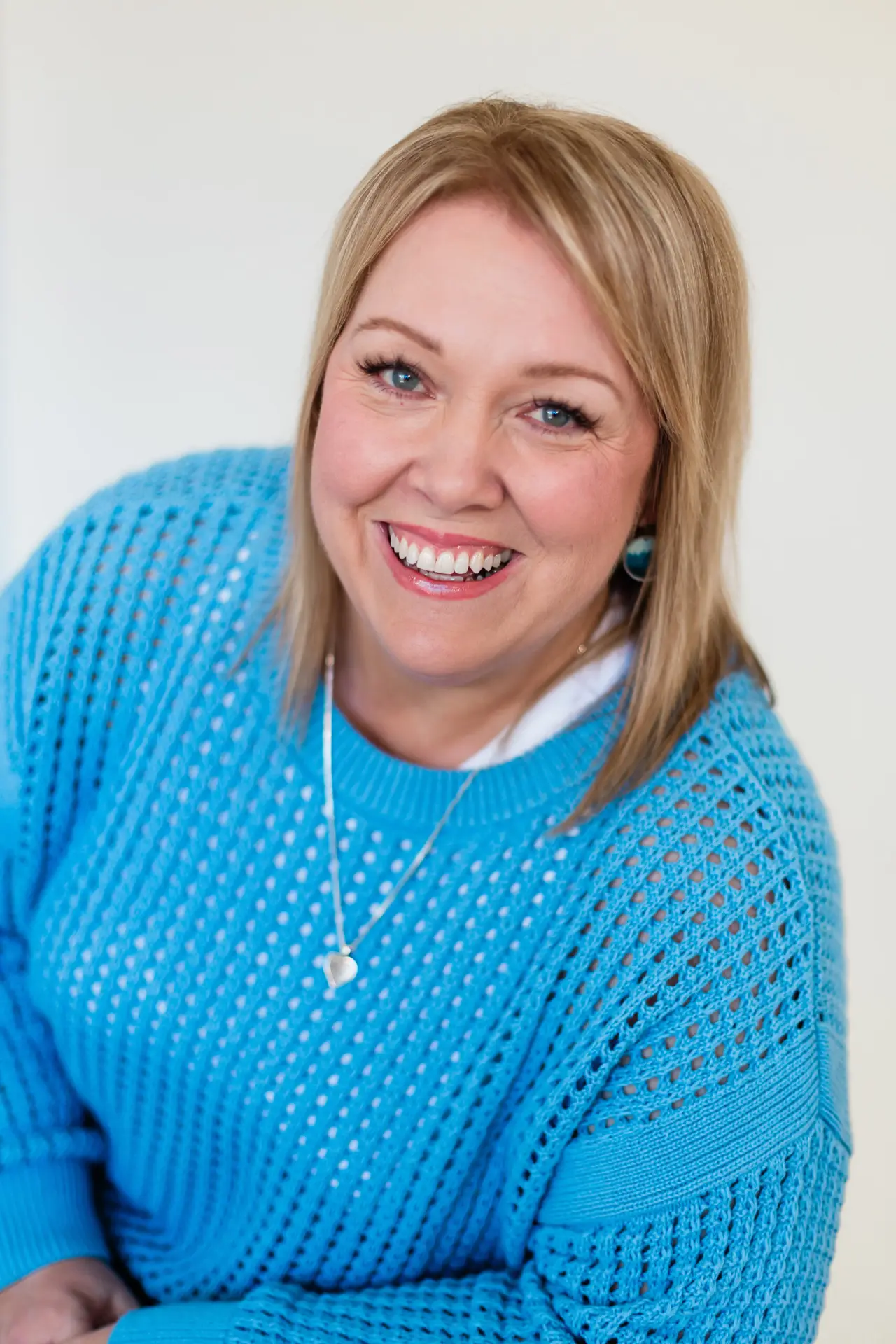
AUTISM LITTLE LEARNERS – Tara Phillips did not begin her career in the creator economy. She began it in the treatment room, working directly with young autistic children as a speech-language pathologist at a time when the autism therapy landscape looked substantially different than it does today. Twenty-five years ago, the ABA industry as it currently exists — PE-backed multi-state platforms, insurance mandates in all 50 states, a credentialed BCBA workforce exceeding 60,000 — had not yet formed. Speech-language pathologists like Phillips were among the front-line clinicians working with autistic children on communication, social interaction, and adaptive skills, often without the structured ABA framework that would later become the dominant treatment modality.
That quarter-century of direct clinical experience gives Phillips a perspective that distinguishes her content from creators who entered the space more recently. Her resource development is informed not by academic abstractions but by thousands of hours spent working with young children on foundational communication skills — requesting, labeling, commenting, protesting, and the pragmatic social language skills that autistic children frequently find most challenging.
Phillips launched Autism Little Learners as a vehicle for translating that clinical experience into accessible, practical resources. The platform’s core audience — SLPs, special education teachers, paraprofessionals, BCBAs, and parents — reflects the interdisciplinary reality of autism intervention. A child receiving ABA therapy is rarely receiving only ABA therapy. Most children on the autism spectrum also receive speech therapy, occupational therapy, and special education services, delivered by professionals who may or may not coordinate their approaches. Phillips’s content speaks to this multi-disciplinary audience because her clinical work has always operated at those intersections.
Phillips’s 25 years of direct clinical experience as an SLP gives her content a depth that distinguishes it from creators who entered the autism influencer space more recently. Her resources are informed by thousands of hours working with young children on the foundational communication skills that autistic children find most challenging.
The Content Architecture
Autism Little Learners operates across multiple channels, each serving a specific function in Phillips’s content ecosystem.
Instagram (@autismlittlelearners, 91K+ followers): the primary audience-building channel. Phillips’s Instagram content combines clinical demonstrations, resource previews, and practical strategy tips formatted for the visual, scroll-based consumption pattern that the platform rewards. Posts frequently feature visual supports in use — choice boards, first-then schedules, social narratives — showing the materials in context rather than as abstract products. This content strategy is effective because Phillips’s audience wants to see strategies applied, not just described.
The Autism Little Learners podcast: Phillips’s podcast extends into long-form discussion of topics that Instagram’s format cannot accommodate. Episodes address specific clinical and practical questions: how to introduce AAC to a reluctant family, how to structure visual supports for transitions, how to implement co-regulation strategies in a classroom with multiple students on the spectrum. The conversational format allows Phillips to draw on her clinical experience in ways that short-form content cannot capture.
Resource library: the commerce layer of the platform. Phillips creates and sells downloadable resources centered on the content areas where her clinical expertise is deepest: visual supports (visual schedules, choice boards, token systems), social stories (narrative-based tools for teaching social expectations and routines), AAC-related materials (communication boards, core vocabulary displays), and co-regulation resources (strategies and visual tools for supporting emotional regulation). These resources are priced for individual purchase and designed for immediate implementation by teachers, SLPs, and parents.
The SLP-ABA Intersection
Phillips’s platform is significant to the ABA industry for a reason that extends beyond follower counts: she operates at the clinical intersection where speech-language pathology and applied behavior analysis overlap, complement, and occasionally compete.
The relationship between SLP and ABA is one of the most consequential interdisciplinary dynamics in autism services. Both disciplines address communication — but from different theoretical traditions, using different terminology, and sometimes reaching different clinical conclusions about the same child. An SLP might approach a nonverbal child’s communication needs through an AAC-first framework, introducing a robust communication system and building language across pragmatic contexts. A BCBA might approach the same child through a verbal behavior framework, targeting specific operants (mands, tacts, intraverbals) using discrete trial or naturalistic teaching procedures. In practice, many children receive both services, and the quality of the child’s outcome often depends on how well the SLP and the BCBA coordinate their approaches.
Phillips’s content implicitly models what that coordination can look like. Her visual supports are ABA-compatible: token boards, first-then schedules, and structured choice arrays are staples of both ABA practice and structured teaching in speech therapy. Her emphasis on co-regulation — the process by which an adult’s calm, predictable behavior helps a dysregulated child return to a regulated state — aligns with a growing body of evidence that behavior analysts and SLPs cite with increasing frequency. Her social stories follow a framework that has been validated in both the SLP and the applied behavior analysis literature.
The relationship between SLP and ABA is one of the most consequential interdisciplinary dynamics in autism services. Both disciplines address communication, but from different theoretical traditions. Phillips’s content models what productive coordination between the two approaches can look like in practice.
For ABA practice owners, the interdisciplinary audience that Phillips has built is a reminder of a strategic reality: the families they serve are also being served by SLPs, OTs, and special education teams. ABA practices that view these allied professionals as referral sources, collaboration partners, and part of the treatment ecosystem — rather than as competitors for the child’s therapy hours — are better positioned to deliver coordinated care and to retain families who are evaluating the quality of their child’s overall service team.
Visual Supports, AAC, and the Content That Resonates
The specific content areas where Phillips’s platform has gained the most traction — visual supports, social stories, AAC, and co-regulation — are not randomly selected. They correspond to the areas of highest practical demand among the professionals and parents who work with young autistic children daily.
Visual supports are the lingua franca of autism intervention across disciplines. A visual schedule posted on a classroom wall, a choice board presented during snack time, a first-then card used to structure a difficult transition — these tools are used by BCBAs, SLPs, special education teachers, and parents alike. The demand for high-quality, visually appealing, ready-to-print visual supports is enormous and largely unmet by the clinical publishing industry, which has historically produced academic textbooks rather than practical classroom materials. Phillips’s resources fill this gap.
AAC — augmentative and alternative communication — has emerged as one of the most active areas of interdisciplinary practice in autism services. The AAC field has grown rapidly as evidence has accumulated that early, robust AAC introduction supports rather than inhibits spoken language development in autistic children. Phillips’s AAC-related content addresses questions that practitioners across disciplines encounter daily: how to introduce a communication device, how to model language on a communication board, how to expand a child’s communicative functions beyond requesting. This content attracts both SLPs (for whom AAC is a core scope-of-practice area) and BCBAs (who increasingly incorporate AAC into verbal behavior programming).
Co-regulation resources reflect a broader shift in autism intervention philosophy. The field has moved toward greater emphasis on understanding and supporting the sensory, emotional, and physiological regulation needs of autistic children — a shift that both SLPs and behavior analysts have incorporated into their practice. Phillips’s co-regulation content provides practical strategies for helping children move from a dysregulated state to a state where learning and communication can occur, a prerequisite for effective intervention regardless of the clinical framework being applied.
What Phillips’s Platform Reveals About the Autism Content Market
Tara Phillips’s success with Autism Little Learners illustrates a market reality that the ABA industry’s traditional business model does not capture: there is a large, paying audience for autism intervention content that exists outside the clinical service relationship. The parents, teachers, SLPs, and paraprofessionals who purchase Phillips’s resources are not her therapy clients. They are practitioners and caregivers who need practical tools and cannot access them through the ABA service delivery system.
For the ABA industry, this content market represents both an opportunity and a challenge. The opportunity is that ABA-informed content — visual supports, structured teaching materials, behavior strategy guides — has a natural market far larger than the BCBA workforce. The challenge is that the industry’s current revenue model is almost entirely built around billable clinical hours, not content products. Practice owners who recognize the content opportunity may find a complementary revenue stream. Those who ignore it may find that their clinical expertise is being commoditized by creators who can package it more accessibly.
Phillips’s platform also demonstrates the value of longevity and clinical depth in the influencer space. Her 25 years of direct clinical experience are not a marketing claim; they are the foundation that gives her content credibility with a professional audience that can distinguish between evidence-informed resources and aesthetically appealing but clinically shallow content. In a social media landscape where anyone can create and sell autism-related materials, Phillips’s clinical credentials and track record serve as a quality signal that her audience relies on.
AT A GLANCE
Name: Tara Phillips
Credential: Licensed Speech-Language Pathologist (SLP)
Brand: Autism Little Learners
Primary platform: Instagram: @autismlittlelearners (91,000+ followers)
Additional channels: Facebook, podcast, resource library/storefront
Profile type: SLP / Educator Influencer
Clinical experience: 25+ years supporting young autistic children
Content focus areas: Visual supports, social stories, AAC (augmentative and alternative communication), co-regulation strategies
Audience composition: SLPs, special education teachers, BCBAs, paraprofessionals, and parents
Industry significance: Operates at the SLP–ABA clinical intersection; models interdisciplinary collaboration through content
SOURCES & REFERENCES
1. – Autism Little Learners. Platform overview and resource library. autismlittlelearners.com.
2. – Instagram. @autismlittlelearners. Follower count and content analysis. instagram.com/autismlittlelearners.
3. – American Speech-Language-Hearing Association (ASHA). Scope of Practice in Speech-Language Pathology. asha.org.
4. – Behavior Analyst Certification Board (BACB). Certificant Data. bacb.com. Updated annually.
5. – Millar DC, Light JC, Schlosser RW. The Impact of Augmentative and Alternative Communication Intervention on the Speech Production of Individuals With Developmental Disabilities: A Research Review. Journal of Speech, Language, and Hearing Research. 2006;49(2):248–264.
6. – Gray C. The New Social Story Book. Future Horizons. Revised edition.
7. – Prizant BM, Wetherby AM, Rubin E, Laurent AC. The SCERTS Model: A Comprehensive Educational Approach for Children with Autism Spectrum Disorders. Brookes Publishing. 2006.