

Starting with an empty building
KATY, TEXAS — When Karina Garcia Capetillo arrived for her first day at Essential Speech and ABA Therapy’s Fulshear clinic, there were no clients, no established clinical team, and plenty of furniture still waiting to be assembled.
“The day they got the keys — that was my first day,” Garcia Capetillo said. “I put half of the furniture together. So if it falls apart, I’m sorry.”
The light moment captures a much bigger shift. Garcia Capetillo had spent about 12 years in ABA, working her way from RBT to BCBA, but had only seen the clinical side of established organizations. At Fulshear, she became the first clinical hire and primary operator, building the program and hiring RBTs.
Now serving as Clinical Director and BCBA, Garcia Capetillo leads clinical operations at a clinic providing collaborative early intervention, speech therapy, occupational therapy, and ABA therapy for young children.
The clinic opened May 5, 2025, roughly seven months after Le signed the franchise agreement. It serves children ages 18 months to 6 years.
A parent’s route to ownership
Le’s interest in ABA began with his son, who was diagnosed with autism at age 3. Le said he initially experienced skepticism and denial. With no family history of autism to guide him, he began searching online for answers.
His son entered an early childhood special education program through the public school system. Le understood how difficult it was for staff to manage a classroom of children with significant needs, but questioned how much individual skill-building was possible.
“It’s very overwhelming for staff in the school setting to be able to handle six kids on the autism spectrum,” Le said. “It’s more of just watching your kid, making sure that they’re safe — not necessarily working on any skills.”
Le credited about three years of one-to-one ABA therapy with his son’s progress. The experience eventually led him and Tran to consider opening a clinic. They were parents of children with autism, not clinicians, and knew little about running an ABA practice. That gap pushed them toward franchising.
“My wife and I decided to open up, and of course we know nothing about the business part,” Le said. “So that’s what made us search for different franchises.”
What the franchise supplied
Le interviewed several franchisors before choosing Essential Speech and ABA Therapy, founded in 2017 by speech-language pathologists Amber Lister, Nafisa Obi, and Camila Trevino. The brand began franchising in recent years, and its locations are independently owned.
Le said the company’s relative newness appealed to him. He believed a younger franchise system would provide more direct attention during the opening process.
Support included site selection, lease and furnishing guidance, financial projections, payer credentialing, and billing and claims work. The franchise also provided access to a traveling BCBA and a group chat connecting BCBAs across locations.
For a first-time owner, the claims function was especially valuable. Le said he lacked the expertise and patience to navigate denials and appeals.
“If I started this from scratch, I don’t think there’s any way,” he said. “Off the bat, I would probably be denied a lot more on claims.”
The support did not remove the financial risk. Le, who has a finance background, advised prospective owners to model multiple scenarios and prepare to look at an empty building. A franchise may provide a road map, but owners still need the capital and judgment to follow it.
A different opportunity for a BCBA
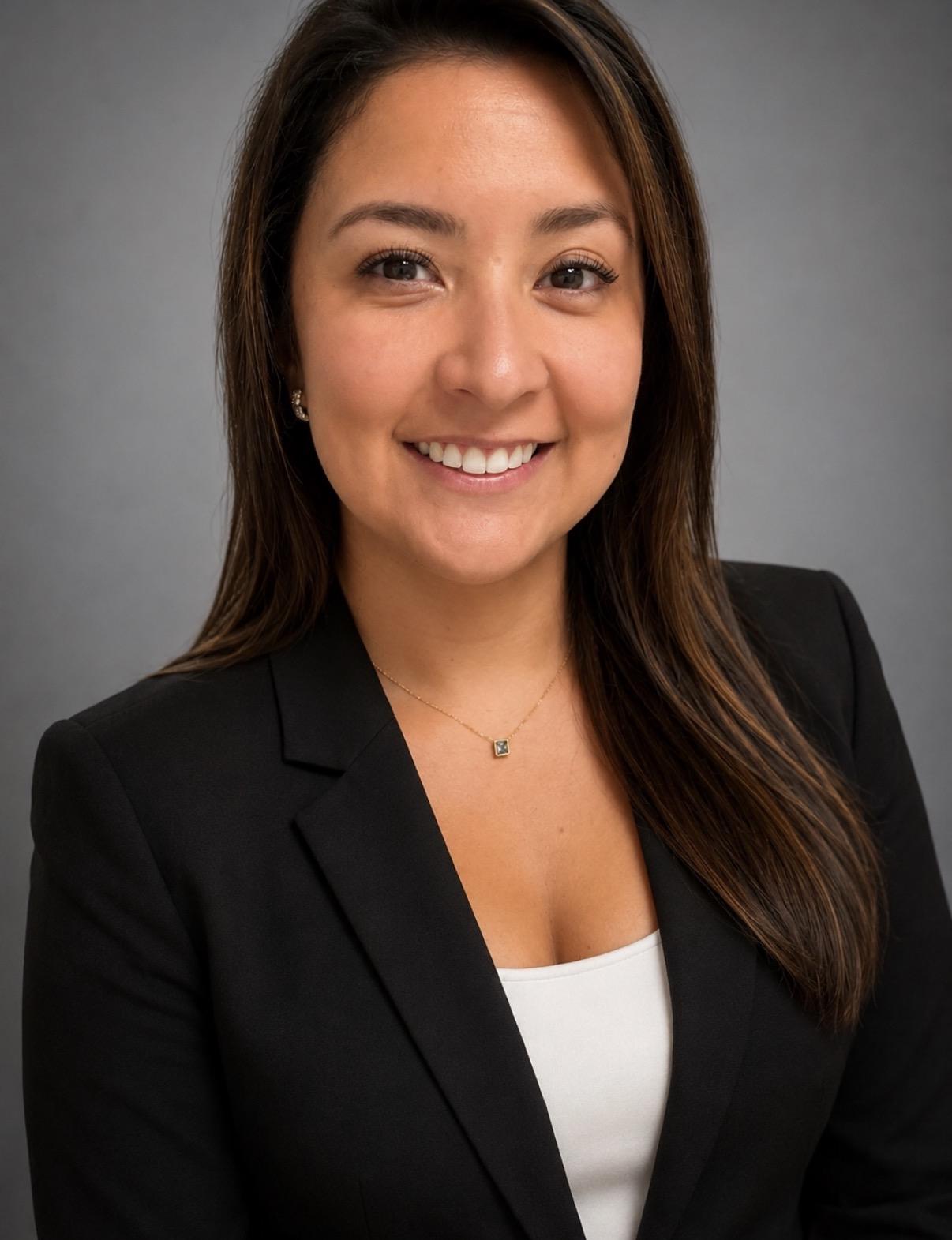
For Garcia Capetillo, the franchise created a role between traditional clinical employment and independent ownership. Le is the strategic and financial partner, while Garcia Capetillo leads much of the clinic’s daily operation.
“She handles the operations the most,” Le said. “I’m kind of the person to cut the check. She’s the nitty-gritty, ground-floor operations.”
The position gave Garcia Capetillo visibility into insurance verification, billing, credentialing contracts, and opening decisions. She did not receive authority over back-end or profit-and-loss decisions, but gained operational exposure missing from her previous jobs.
“It’s very freeing,” she said. “I’m not on my own — there’s a lot of support from the franchise — but I get to build it from my own experience.”
That balance is the model’s central tradeoff. Garcia Capetillo works within franchise protocols; however, she can shape clinical operations at her location. She described it as the backing of a larger company with the flexibility of a small clinic.
What franchising did not fix
The franchise system did not eliminate one of ABA’s most persistent operating problems: RBT turnover.
Garcia Capetillo called RBT churn “the worst part about the field” because children depend on consistency. She also spoke plainly about her own burnout, including days when she told Le she was slowing down and struggling to balance the work with her personal life.
The response was local, not systemic. Garcia Capetillo said Le and Tran checked in, asked what she needed, and remained present. That mattered, but did not make the pressure disappear. She remains the only BCBA at the location, supported by a group chat and a traveling franchise BCBA.
The experience also shows the difference between exposure and ownership. Garcia Capetillo can see new systems, but Le and Tran carry the financial responsibility. For BCBAs, the model may offer autonomy and business education. It does not automatically provide equity, capital, or complete authority.
Le said he interviewed roughly 20 BCBA candidates during the clinic’s long runway. His test was personal: Would he want this person to serve his own son? He chose Garcia Capetillo for her compassion and curiosity, then watched her stay when the clinic was still an empty building.
That partnership is ultimately the lesson from Fulshear. The franchise provided infrastructure, but the clinic depended on a non-clinical owner willing to defer to clinical expertise and a BCBA willing to build before there was anything to inherit.
Le made that division clear at the end of his interview. He could tell families his story as a father, he said, but Garcia Capetillo was the expert. In a business built around his son’s needs, he wanted the clinical leader beside him to have the final word.
AT A GLANCE
| Clinic: | Essential Speech and ABA Therapy, Fulshear location (Katy, Texas area) |
| Opened: | May 5, 2025, roughly seven months after the franchise agreement was signed |
| Ages served: | 18 months to 6 years |
| Services: | Collaborative early intervention, speech therapy, occupational therapy, and ABA therapy |
| Owners: | Nhan Le and Nhi Tran |
| Clinical Director: | Karina Garcia Capetillo, BCBA; first clinical hire, about 12 years in ABA |
| Franchisor: | Essential Speech and ABA Therapy, founded 2017 by speech-language pathologists Amber Lister, Nafisa Obi, and Camila Trevino |
| Initial franchise fee: | $49,500, per third-party franchise databases (not confirmed via FDD) |
| Estimated investment: | $209,000 to $669,000, per third-party franchise databases |
| Royalty: | 5% of gross revenue, per third-party franchise databases |
SOURCES & REFERENCES
| 1. | Interviews with Nhan Le, owner, and Karina Garcia Capetillo, Clinical Director and BCBA, Essential Speech and ABA Therapy (Fulshear, Texas), conducted by the author, 2026. |
| 2. | Third-party franchise databases: initial franchise fee, estimated total investment range, and royalty rate for Essential Speech and ABA Therapy. Figures not independently confirmed through the company’s Franchise Disclosure Document for this article. |
| 3. | Essential Speech and ABA Therapy company information: founding (2017) and franchise model details. |






Join the discussion ▾