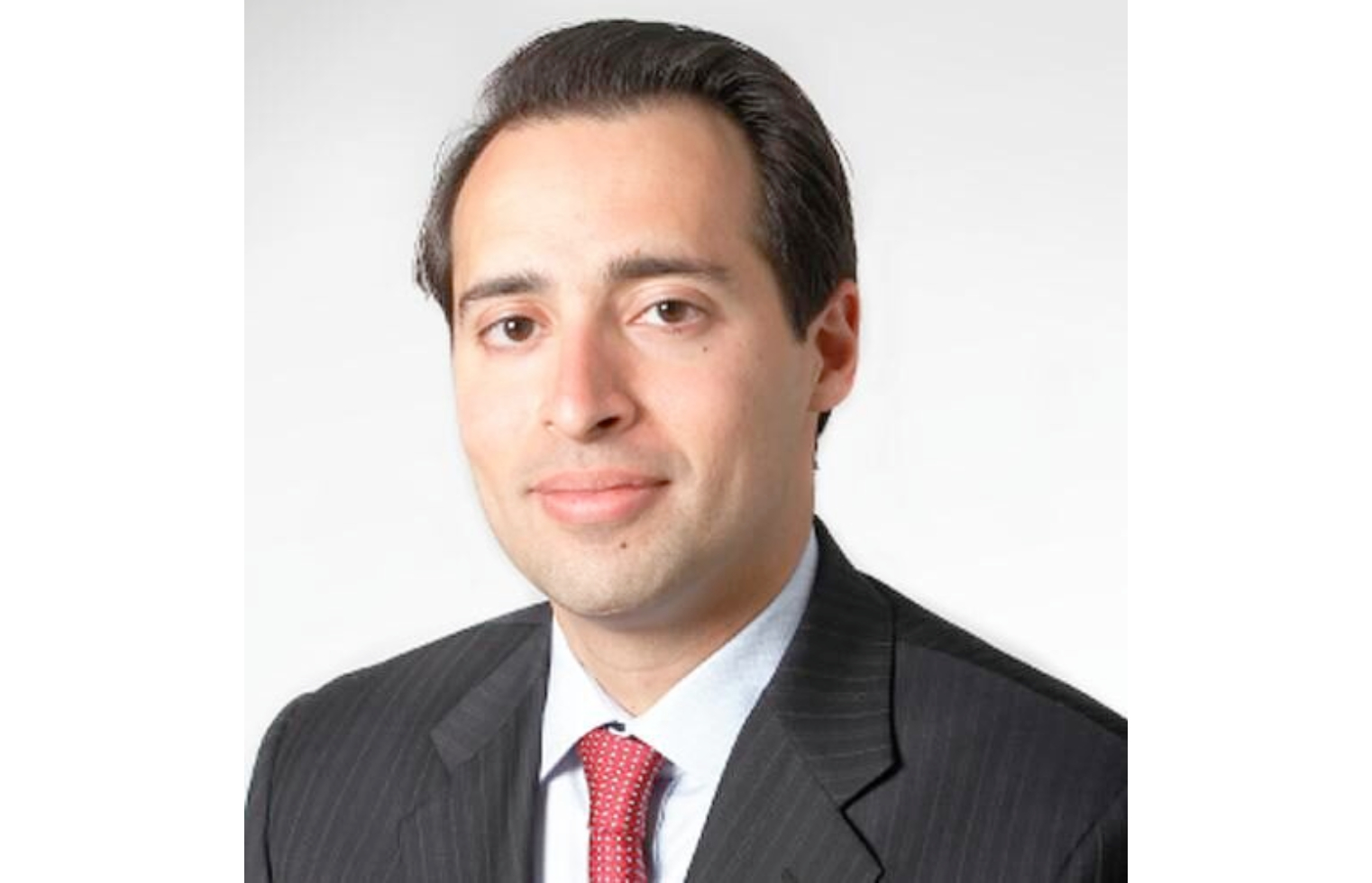
MENLO PARK, Calif. — In early 2018, Ali Satvat had spent the better part of a year canvassing the applied behavior analysis therapy sector. He had looked at roughly 30 providers. He had talked to families, clinicians, payers, and operators. What he found was an industry that looked, from certain angles, like a market failure — hundreds of thousands of children waiting months or years for a type of care that had overwhelming scientific support but almost no institutional capital behind it.
He also found something else: a former COO of a pediatric home nursing company named Keith Jones who was ready to build something from scratch, in Houston, with KKR’s money behind him. On January 9, 2018, KKR announced the creation of BlueSprig Pediatrics. It had three clinics. It would eventually have more than 170.
That bet — and the $1.45 billion fund that seeded it — marked the moment that institutional private equity fully arrived in the ABA sector. Satvat, now Global Head of KKR’s Health Care Strategic Growth platform and co-head of the firm’s Americas health care private equity team, was the person who made the argument that the market was ready. He was also the person who had to live with every consequence of what that argument set in motion.
“This industry is just starting to evolve. The complexity of and number of different models in the space really reinforces why we think management is so important here.”
THE FORMATION
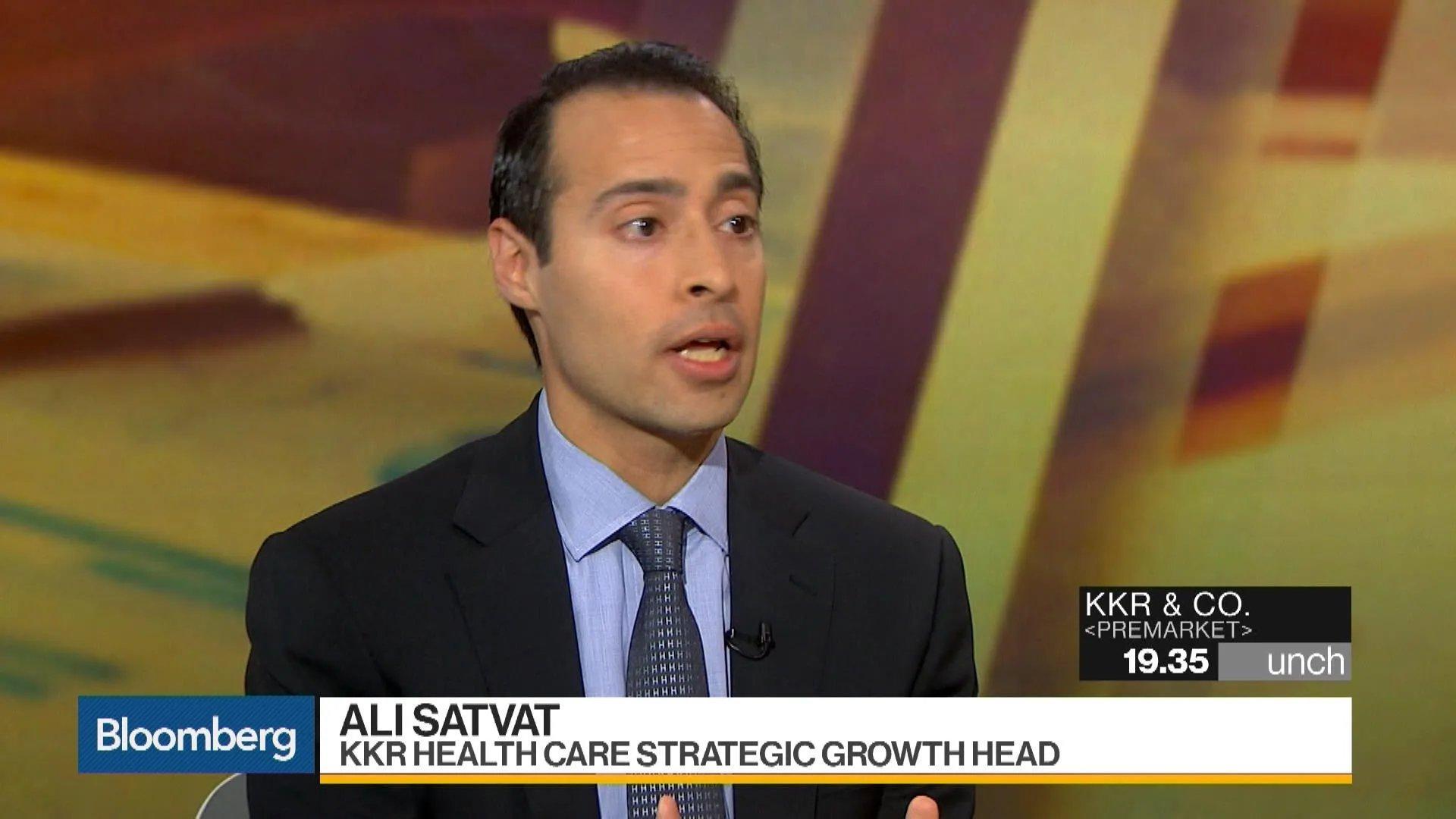
Satvat’s path to KKR ran through some of the defining institutions of American healthcare finance. He graduated magna cum laude from Harvard College with a degree in History and Science — a discipline that trained him to read systems, trace causality, and identify when a consensus is about to break. He went to Wharton for his MBA, concentrating in health care management and entrepreneurial management, a dual focus that would prove unusually well-suited to what came next.
His early career moved across several of the sector’s most prominent platforms: the Blackstone Group, Audax Group, Johnson & Johnson Development Corporation, and then Apax Partners, where he spent six years as a principal focused on health care private equity and growth equity. At Apax he was involved in investments including Kinetic Concepts, LifeCell, The TriZetto Group, and SkinMedica — a portfolio that gave him a working knowledge of how scaling infrastructure-heavy healthcare businesses actually functions under PE ownership.
He joined KKR in 2012. Within a few years he was leading the firm’s Health Care Strategic Growth initiative — a dedicated pool of capital designed to invest in innovative healthcare businesses that had proven products or services and needed a capital partner to commercialize and scale. In November 2017, KKR closed HCSG I at $1.45 billion. BlueSprig was among its earliest significant deployments.
THE BLUESPRIG THESIS
The investment thesis was straightforward and, in retrospect, almost obviously correct: autism diagnoses were rising sharply, the science behind ABA therapy was well-established, insurance mandates — partly enabled by advocates like Lorri Unumb — had created a reimbursable market in all 50 states, and the supply of organized, quality-controlled providers was nowhere close to meeting demand. Families waited months or years for services. Many never got them.
What the sector lacked was capital to build clinical infrastructure, attract and train qualified therapists at scale, and create the management systems that would allow a provider to grow beyond a handful of locations without losing clinical quality. That was exactly what KKR’s HCSG platform was designed to provide. Satvat’s bet was that the same playbook that had worked in dental, in ophthalmology, in urgent care — fragmented, high-demand, insurance-backed healthcare services — would work in ABA.
KKR partnered with Jones to build BlueSprig not through an acquisition but by backing a new company from inception — an approach that gave the firm more control over management structure, culture, and clinical standards than a typical buyout. Within ten months, BlueSprig made its first acquisition: The Shape of Behavior, a 22-center Texas-based provider. Then came Florida Autism Center and its Georgia affiliate Fusion Autism Center, forming a combined entity serving more than 1,800 families across 110 centers in 13 states. Then Aptitude Therapy, Momentum in Michigan, and in October 2023, Trumpet Behavioral Health — 37 locations across seven states, one of the largest single ABA acquisitions of that year.
“The pipeline has probably never been richer.”
THE $4 BILLION FOLLOW-ON
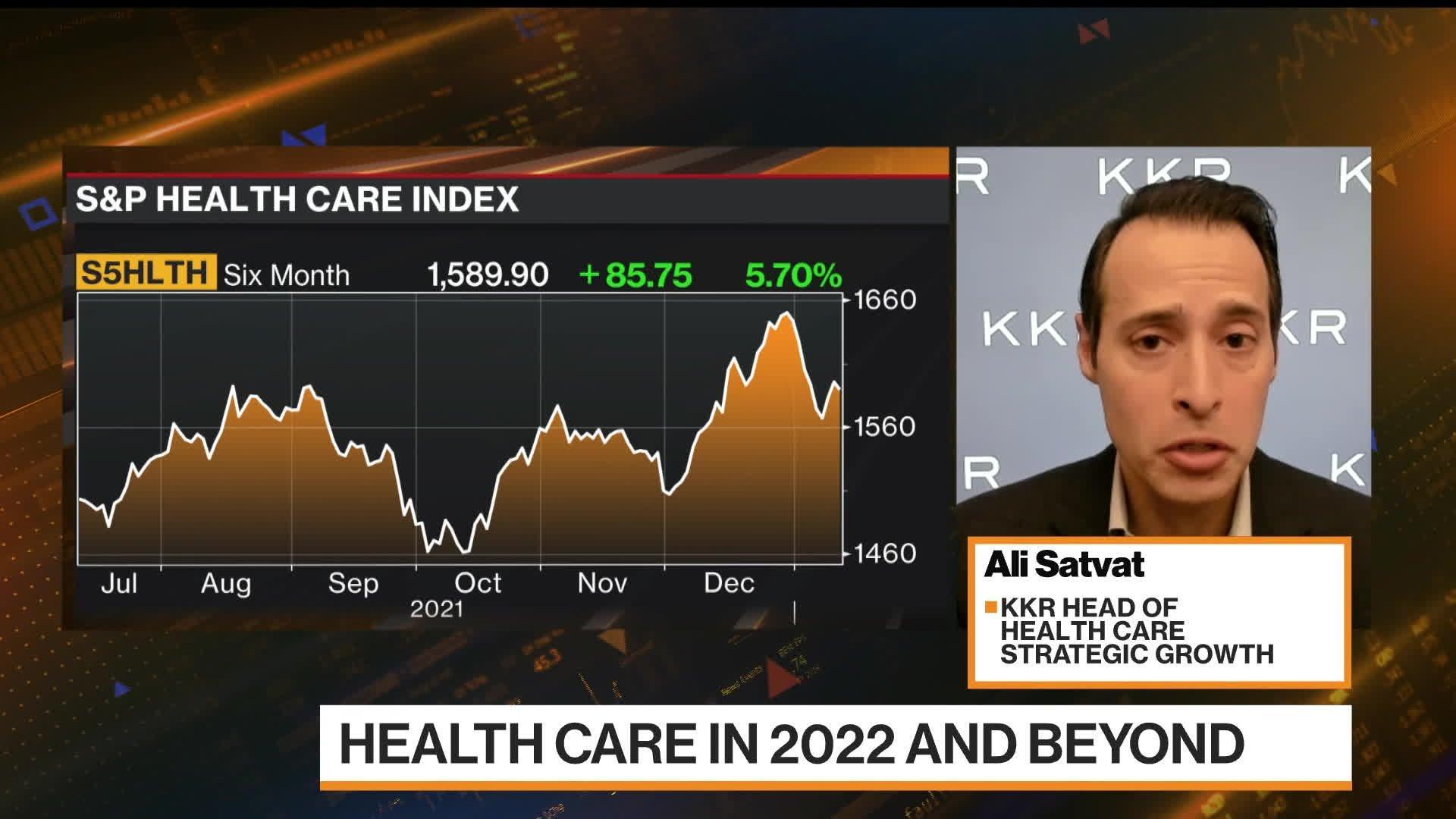
In January 2022, KKR closed HCSG II — $4.0 billion, nearly three times the size of its predecessor. The fundraise drew capital from a diverse investor base including sovereign wealth funds, public pension plans, insurance companies, endowments, and family offices. Satvat, now a Partner, serves as global head of the platform and chairs both its investment committee and portfolio management committee.
The scale of the second fund reflected something important: by 2022, KKR’s healthcare growth strategy had demonstrated that the original thesis was generating returns. Investors who had backed HCSG I were willing to re-up at dramatically higher scale. The firm had also built what Satvat had identified as the critical ingredient in healthcare services investing: a management team that could operate at scale without sacrificing clinical quality — or at least, that was the goal the platform was organized around.
Beyond BlueSprig, the HCSG portfolio under Satvat’s leadership has spanned a wide range of healthcare sectors: BridgeBio Pharma, Cordis, Geode Health, Headlands Research, Treeline Biosciences, SkinSpirit, and Precipart. He manages KKR’s controlling interest in HealthCare Royalty Partners and has served on numerous public and private boards. The common thread is the thesis he articulated in 2018 and has refined over seven years: that the largest unmet needs in American healthcare are not in the most sophisticated molecular medicine but in the most basic delivery gaps — care that patients need, that payers cover, and that simply does not exist in sufficient quantity where it is needed.
THE COMPLICATIONS
The private equity thesis for ABA therapy has not gone unexamined. BlueSprig inherited legal liability from The Shape of Behavior, which in 2021 paid $2.7 million to settle federal allegations of improper billing to TRICARE. A 2022 investigative piece in Fortune raised broader questions about quality of care and staff oversight at private-equity-owned ABA chains. And the Medicaid rate environment — which has deteriorated in states including Colorado, Indiana, Nebraska, and Arizona — has tested the economics of the model in ways the original thesis did not fully anticipate.
Satvat has consistently argued that scale and capital, properly applied, improve care rather than diminish it — that the infrastructure private equity can provide, from revenue cycle management to clinical training systems to technology investment, raises the floor for quality across a provider’s network. Whether that argument fully holds in the specific context of ABA therapy, where care quality is extraordinarily difficult to measure and where the patients are children with limited ability to advocate for themselves, remains a live question in the field.
What is not in question is that Satvat’s conviction, expressed in January 2018 in Houston, changed the shape of the ABA industry permanently. The capital he deployed created tens of thousands of clinical slots that did not previously exist. It also introduced the structural pressures — on margins, on billing, on staffing economics — that now define the field’s most difficult policy conversations. He is, depending on who you ask, either the person who finally brought the sector the resources it needed, or the person who began the clock ticking on problems the field is still reckoning with. The argument, in either direction, begins with what he built.[divider line_type=”Full Width Line” line_thickness=”1″ divider_color=”default”]At a Glance
Full Name: Ali J. Satvat
Current Title: Partner & Global Head, Health Care Strategic Growth, KKR; Co-Head, Americas Health Care Private Equity, KKR
Location: Menlo Park, California
Education: A.B., magna cum laude, History and Science, Harvard College; M.B.A. Health Care Management & Entrepreneurial Management, Wharton School, University of Pennsylvania
Joined KKR: 2012
HCSG Fund I: $1.45 billion (closed November 2017)
HCSG Fund II: $4.0 billion (closed January 2022)
Total AUM (HCSG): ~$5.45 billion across two funds
BlueSprig Pediatrics: Created January 2018 (de novo); scaled to 170+ ABA clinics across 13+ states
Investment Strategy: Growth equity in healthcare companies with proven products/services — biopharma, medtech, healthcare services, life science tools, health IT
Prior Firms: Apax Partners (Principal, 2006–2012); Johnson & Johnson Development Corp.; Audax Group; The Blackstone Group
Key Apax Deals: Kinetic Concepts, LifeCell, The TriZetto Group, SkinMedica
Select Current/Recent Boards: BlueSprig, BridgeBio Pharma, Cordis, Geode Health, SkinSpirit, SunFire, Treeline Biosciences, Precipart, HealthCare Royalty Partners
Select Exited Investments: PRA Health Sciences, Gland Pharma, Eidos Therapeutics, Headlands Research, Ajax Health, Arbor Pharmaceuticals
Committee Roles: Chair, HCSG Investment Committee & Portfolio Management Committee; Member, Americas PE Investment Committee & Portfolio Management Committee
Contact & Links
Firm: KKR
Platform: Health Care Strategic Growth
Location: Menlo Park, California
KKR Profile: kkr.com/about/our-people/ali-satvat
LinkedIn: linkedin.com/in/ali-satvat-kkr