THE ORIGIN: A PARENT’S PROBLEM BECOMES A COMPANY
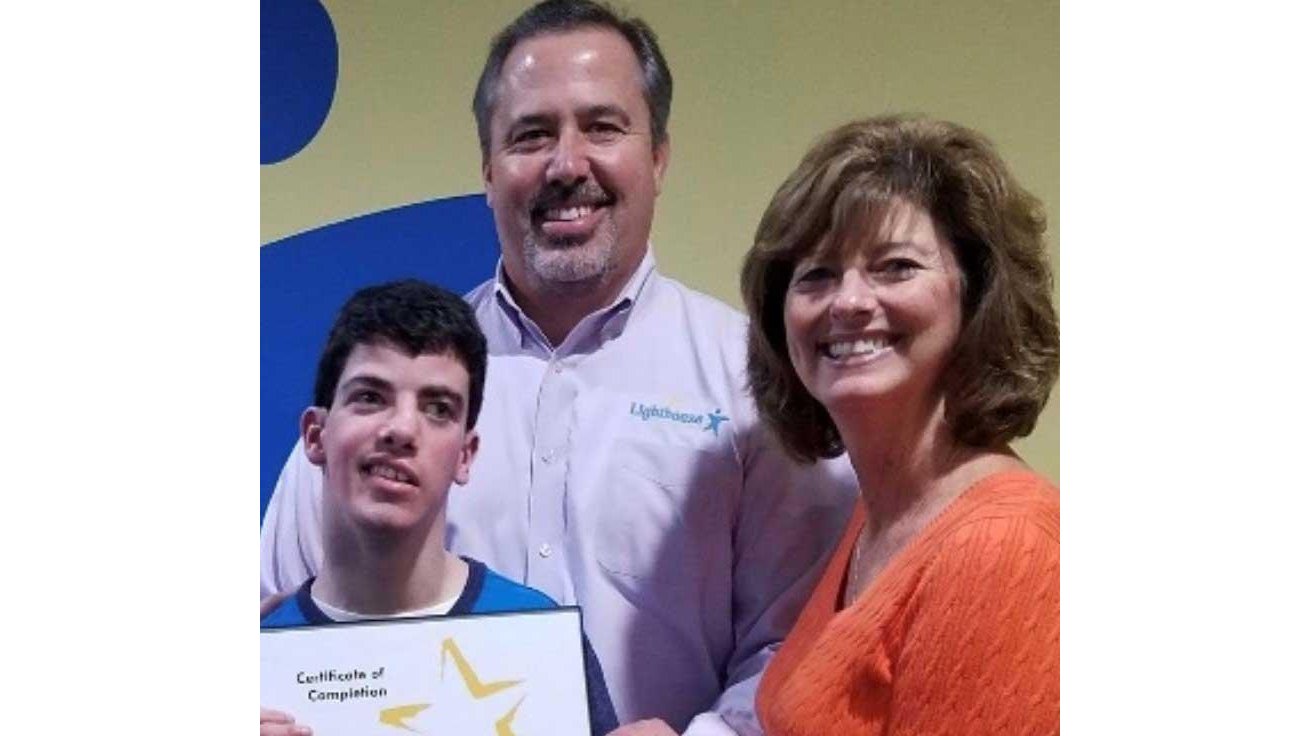
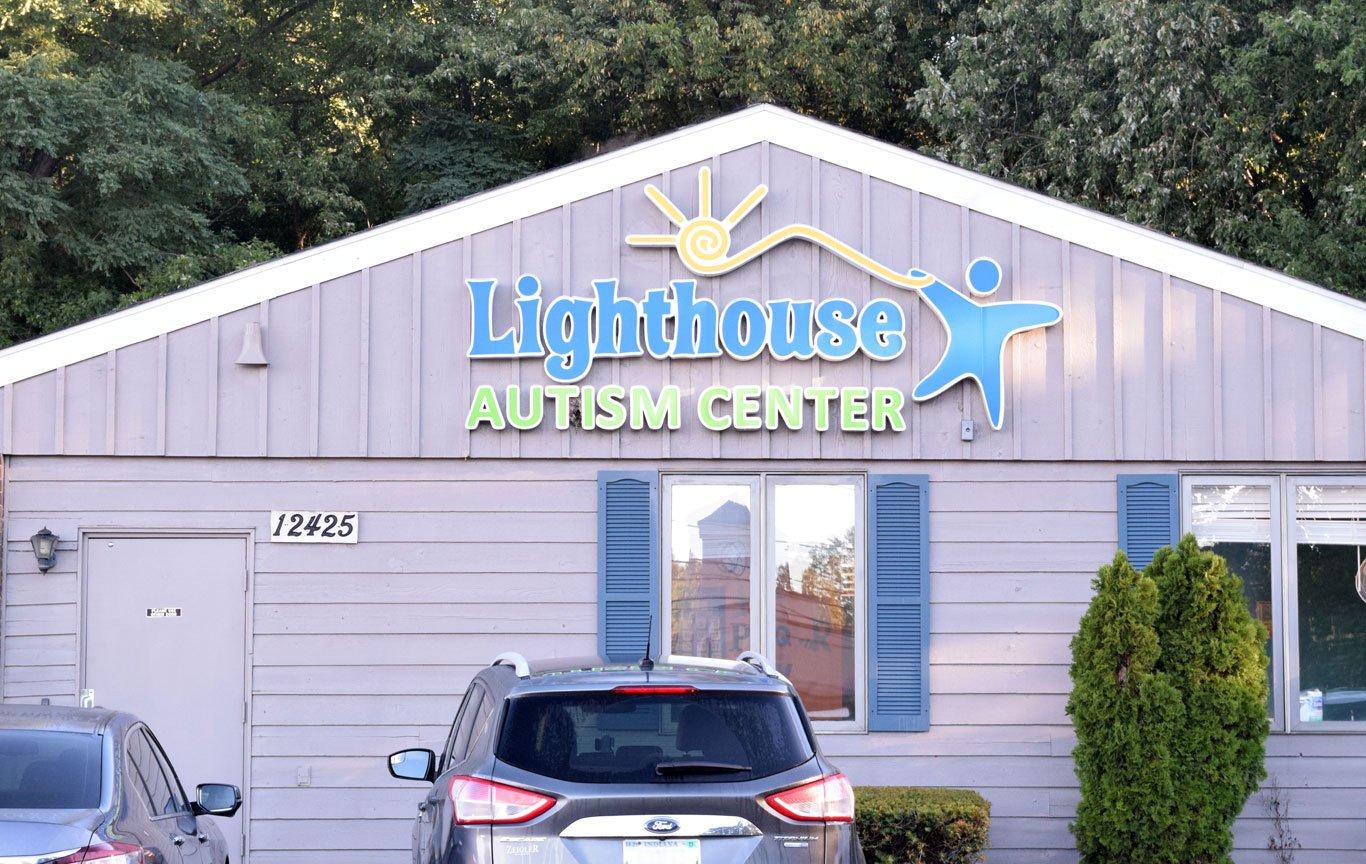
MISHAWAKA, INDIANA — In 2004, Gregg and Sandy Maggioli’s son was diagnosed with autism. At the time, Indiana had few ABA centers — their son attended one of the first in the state, and the Maggiolis experienced firsthand both the therapy’s transformative impact and the structural inadequacy of a system that made it so hard to access. That experience became the founding thesis of Lighthouse Autism Center, which opened in Mishawaka in 2012 with a mission that has not changed since: bring the highest-quality ABA therapy to the communities that need it, especially the ones no one else is building in.
For its first six years, Lighthouse grew steadily and quietly. The northern Indiana and southern Michigan market — Mishawaka, South Bend, and the communities around them — was not a market that attracted national ABA platform developers. The coasts were where the money was, the venture capital was following the sunbelt, and Cerberus Capital Management had not yet discovered that a modest-sized center-based ABA company in Indiana had the bones to be worth four hundred million dollars. Lighthouse built five centers and stayed focused on doing the clinical work well.
The clinical foundation it built in those early years was built on consistent delivery of high quality care that was later enhanced through an innovative approach to ABA called centered on Lighthouse Fusion® — a proprietary care model built around a workforce credential that most ABA companies cannot recruit for because it almost doesn’t exist. A dually certified BCBA/SLP — a clinician who holds board certification in both behavior analysis and speech-language pathology — is, as Lighthouse has noted in its materials, one of only a handful in the world when the model was developed. The integration of ABA and speech therapy into a single co-treatment session is what Lighthouse Fusion operationalizes. Progress in communication supports behavioral objectives; improvements in behavioral regulation support speech acquisition. The therapist can adjust both programming streams in real time.
THE PE ARC: ABRY TO CERBERUS
In October 2018, Abry Partners, a Boston-based private equity firm focused on healthcare services, made its first investment in Lighthouse. At the time the company had five centers. Abry’s capital went toward accelerating the de novo clinic development pipeline the founders had proven could work but lacked the resources to run at speed.
By July 2021, when Cerberus Capital Management announced its acquisition of Lighthouse, the company had grown substantially. The Cerberus deal was reported by DealFlow at a valuation just over $400 million — making it, at the time, one of the most significant ABA platform transactions in the sector’s deal history. Notably, Gregg Maggioli co-invested alongside Cerberus in the transaction, and Abry Partners retained a stake. The founder stayed as CEO, the existing clinical leadership team remained intact, and Cerberus — a global alternative investment manager with over $65 billion in assets under management — brought a different kind of institutional credibility than Abry’s middle-market healthcare focus.
The Cerberus-backed growth phase expanded Lighthouse’s footprint steadily through the Midwest states the company had always targeted: Indiana deepened, Michigan extended, Illinois was added, Iowa entered the portfolio, and Nebraska — with the highest Medicaid ABA reimbursement rates in the nation at the time — became a significant new market. The strategy throughout was consistent with the company’s founding premise: go where the families are underserved, where competition is thin, where real estate is affordable, and where a quality provider willing to build and stay can establish a durable regional position.
2004 — Gregg & Sandy Maggioli’s son diagnosed with autism; discover ABA therapy in Indiana.
2012 — Lighthouse Autism Center founded in Mishawaka, Indiana.
2018 — Abry Partners makes first institutional investment. 5 centers in northern Indiana / southern Michigan.
July 2021 — Cerberus Capital $400M+ acquisition. Gregg Maggioli co-invests and stays as CEO; Abry remains.
October 2021 – Colin Sheridan transitions to CEO following Gregg Maggioli’s retirement.
2023–2024 — Expansion to Iowa, Nebraska; Illinois deepens.
June 2025 – Lighthouse opens first center in North Carolina.
August 2025 — Nebraska 48% Medicaid rate cut. Lighthouse pledges to maintain services.
October 2025 — Joseph Giles appointed CEO.
December 2025 — Barb Gromacki, former LAC CHRO, takes over CEO role. 48 centers, 6 states, 1,100+ learners.
North Carolina expansion continues: High Point, Hickory, Statesville, Monroe, Smithfield, Rocky Mount, Asheboro.
THE MIDWEST STRATEGY: THE GEOGRAPHY MOST PLATFORMS SKIP
Lighthouse’s geographic footprint — Indiana, Michigan, Illinois, Iowa, Nebraska, and North Carolina — describes a strategic conviction that differs sharply from the platform-building playbook PE-backed ABA companies have generally followed. The standard playbook targets high-population, high-insurance-coverage sunbelt markets: Texas, Florida, Georgia, Arizona. The margins are real, the commercial insurance mix is favorable, and the growth narrative is easy to tell.
Lighthouse has largely inverted this. Indiana and Iowa are not high-density markets. Nebraska is among the most sparsely populated states in the country. What these markets share is the property that makes the strategy rational: low ABA provider density relative to autism prevalence, high Medicaid exposure (which means the families who need services most have coverage for them), lower real estate costs that reduce the capital required for each clinic build, and limited competition from national platform providers focused elsewhere. The waitlist elimination mission Lighthouse has articulated since its founding is more achievable in Kearney, Nebraska than in Dallas or Tampa.
“Every child deserves access to the highest quality autism therapy. While these cuts have created challenges across the state, our mission and commitment to Nebraska families remain unchanged.”
The North Carolina expansion — which began adding centers in 2024 and accelerated through 2025 with locations in Hickory, Statesville, Monroe, and High Point — represents Lighthouse’s first meaningful move outside the Midwest. North Carolina combines a large and underserved ABA market with a Medicaid program large enough to sustain a multi-center network. The state has also been navigating its own rate pressure: North Carolina Medicaid cut reimbursement rates by 10 percent for autism services in October 2025, though a preliminary injunction halted the cut following a lawsuit by twenty-one families. The Governor of North Carolina then fully rescinded cuts, prompting the General Assembly to fully fund the Medicaid budget.
THE NEBRASKA PROBLEM: 48 PERCENT
On August 1, 2025, the Nebraska Department of Health and Human Services implemented Medicaid reimbursement rate cuts for ABA services that had been coming for months. The headline figure: a 48 percent reduction in reimbursement for direct therapy services provided by a behavior technician, from approximately $144 per hour to $74.80. Rates for BCBA-supervised care plan development were cut by 37 percent; parent training by 51 percent.
The scale of the cuts reflected the scale of what had happened to Nebraska’s ABA spending. In 2020, the state spent $4.6 million on ABA therapy through Medicaid. By 2024, that figure had reached $85 million — an increase of roughly 1,800 percent in four years. Nebraska had deliberately set its ABA rates above regional norms to attract providers to an underserved rural state. It worked: providers came. And then the state concluded the rates were no longer sustainable.
Leila Allen, Lighthouse’s Vice President of External Affairs, was among the most visible provider voices in the public debate. She acknowledged that Nebraska’s prior rates were the highest in the nation and that normalization was expected — but argued that the state conducted no cost survey to determine what it actually costs to provide ABA in a rural Great Plains market where behavior analysts are scarce and families routinely travel significant distances to reach a center. The 30-day implementation timeline, she noted, forced some providers to cut staff salaries mid-contract cycle.
Lighthouse’s public response — made through interim CEO Barbara Gromacki on September 2, 2025 — was to commit to staying in Nebraska regardless. Multiple other providers were scaling back or considering exit. Lighthouse’s commitment to remain, at lower rates and lower margins, was presented as a mission statement as much as a business decision. Whether it holds over a full operating year at the new rates is the unresolved question.
NEW LEADERSHIP: BARB GROMACKI
In December 2025, Lighthouse transitioned Barb Gromacki, formerly Chief Human Resource Officer and President, to Chief Executive Officer, replacing the short term of Joseph Giles. Barbara Gromacki is an accomplished healthcare executive, board director, and growth strategist with deep expertise in human capital, operations, and growing companies. She has served as Board Chair for Rogers Behavioral Health, helping guide one of the nation’s leading mental health systems through periods of leadership transition and strategic growth.
The Lighthouse CEO transitions reinforce the evolution of the industry from founder-led management teams to professional operator leadership — the same transition most PE-backed healthcare platforms make as organizational complexity begins to outpace what a founder’s direct involvement can manage. Gromacki now leads the company with 49 centers across six states serving more than 1,100 learners, a changing national landscape, a North Carolina expansion underway, and a Cerberus Capital partnership that has not yet announced an exit.

The fundamental question for Lighthouse under Gromacki is whether the company’s Midwest-first strategy — a genuine competitive advantage in markets the larger platforms ignored — can sustain its clinical and financial profile as Medicaid rate pressure spreads from Arizona and Nebraska into Indiana and Iowa. Indiana has already proposed weekly and lifetime caps on Medicaid ABA services. The home state is watching.
AT A GLANCE
Company: Lighthouse Autism Center
CEO: Barb Gromacki (appointed December, 2025)
Founders: Gregg and Sandy Maggioli (founded 2012)
Headquarters: South Bend, Indiana
Founded: 2012 (Mishawaka, IN); inspired by the Maggiolis’ son’s 2004 autism diagnosis
Current Owner: Cerberus Capital Management (acquired July 2021; ~$400M+ valuation); global AIM with $65B+ AUM
Prior PE Owner: Abry Partners, Boston (first institutional investment October 2018; retained stake post-Cerberus)
Founder Involvement: Gregg Maggioli co-invested alongside Cerberus; served as CEO through October 2025
Locations: 44 centers across 6 states (as of October 2025)
States: IN, MI, IL, IA, NE, NC
Learners: 1,100+ (as of October 2025)
Clinical Model: Center-based, intensive care with Lighthouse Fusion® — integrated ABA + speech therapy in co-treatment sessions delivered by dually certified BCBA/SLPs; described as unique among national ABA providers
Growth Arc: 5 centers (2018, Abry entry) → $400M+ acquisition by Cerberus (2021) → 44 centers (2025)
Geographic Strategy: Midwest-first: low provider density, high Medicaid exposure, lower real estate costs, limited national platform competition
Nebraska Rate Cut: August 1, 2025 — 48% Medicaid reimbursement reduction for direct therapy (from ~$144/hr to $74.80); Lighthouse pledged to maintain services
NC Expansion: First market outside the Midwest; centers in Hickory, Statesville, Monroe, High Point (2024–2025)
NC Rate Pressure: 10% Medicaid ABA rate cut (October 2025); preliminary injunction following lawsuit by 21 families
New CEO Background: Gromacki, CEO, Lighthouse Autism Center; former Chairwoman, Rogers Behavioral Health; former cross-sector HR and talent executive; nonprofit board leader and organizational culture strategist
Mission: Bring highest-quality ABA therapy to underserved communities, especially in markets national platforms skip
CONTACT & LINKS
Company: Lighthouse Autism Center
CEO: Barb Gromacki (appointed December 2025)
Founders: Gregg and Sandy Maggioli (founded 2012)
Headquarters: South Bend, Indiana
Owner: Cerberus Capital Management (acq. July 2021, ~$400M+)
Prior PE: Abry Partners (2018–2021)
Locations: 49 centers in IN, MI, IL, IA, NE, NC (as of Jan. 2026)
Learners: 1,100+ (as of Jan. 2025)
Clinical Model: Lighthouse Fusion® — integrated ABA + speech (dually certified BCBA/SLPs)
Website: lighthouseautismcenter.com