

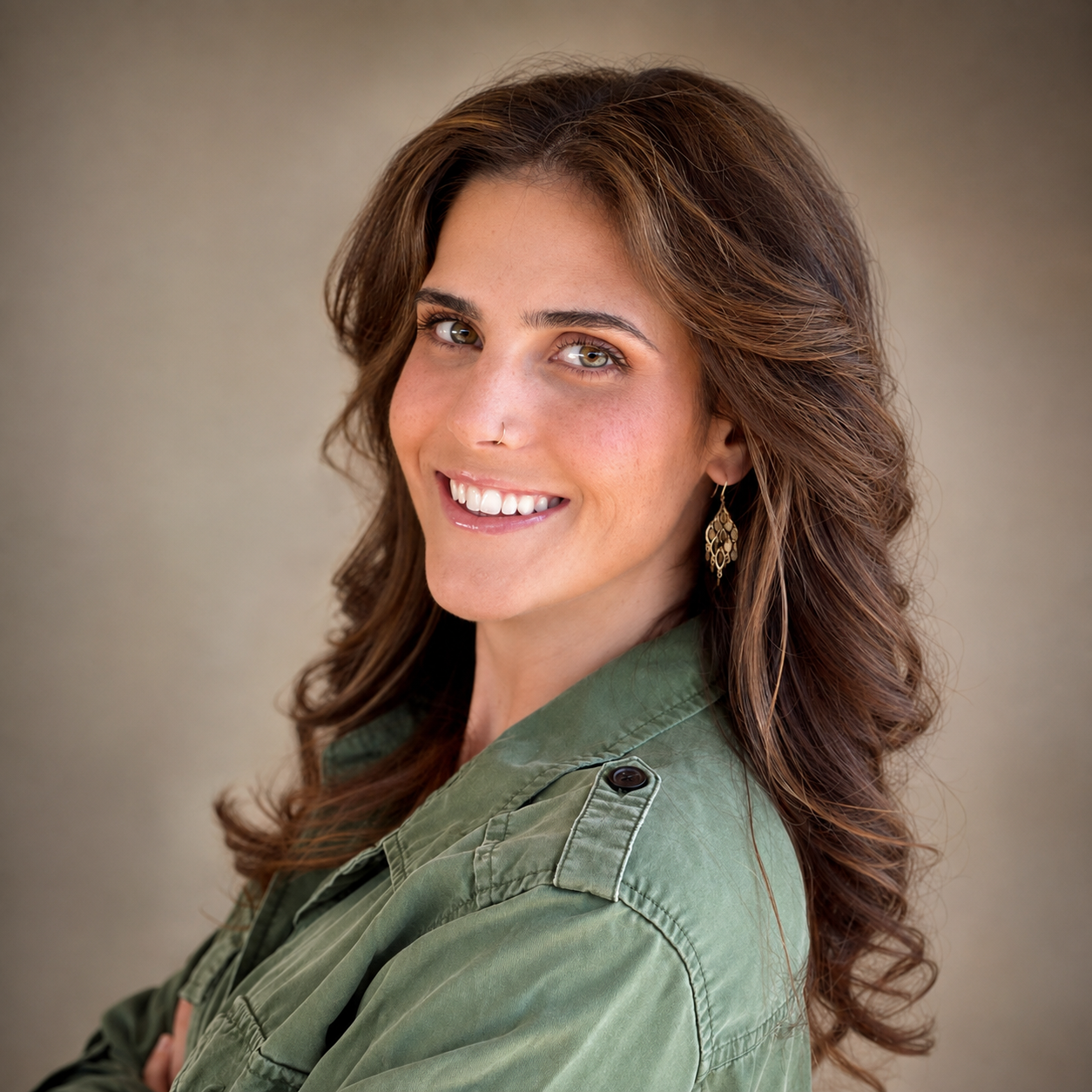
The clinical stakes behind the policy fight
ARIZONA – Within six months, a child’s arm and hand biting fell from 65 occurrences a day to zero after receiving ABA services, according to BCBA Taylor Sanders.
For Sanders, that change is the reason the debate over fraud enforcement cannot lose sight of the children receiving care. She supports prosecuting people who defraud Medicaid. She also believes enforcement must be precise enough to protect ethical providers and the families who rely on them.
After describing children who learned to communicate and families who found hope through ABA, Sanders told Fox News, “Those are the moments that keep us going. That’s why we’re here.”
Sanders came to ABA after moving from California to Arizona to finish school. She entered the field as a behavior technician in 2019 and became a board-certified behavior analyst in 2023. She holds an M.S., BCBA, and LBA.
The field connected her interest in clinical work to practical change.
Sanders said in an interview with BreakingNewsABA, “I fell in love with just the power of using positive reinforcement to be able to motivate people to either communicate or to learn safety skills.”
Along with her work in ABA, Sanders volunteers with HopeKids, where she helps organize experiences for children with serious medical conditions. She is also involved with the Autism Families Alliance, or AFA.
Sanders described AFA as a place for families who depend on ABA services to find support and help protecting access to care. Fox News described the group as a national advocacy organization supporting ABA providers and families.
Prosecute fraud without punishing families.
Sanders’ position begins with a clear line against fraud.
Sanders told Fox News, “President Trump and the administration are right: fraud is unacceptable and those responsible should be prosecuted to the fullest extent of the law.”
However, she does not believe every provider should be treated as though it operates the same way. She said enforcement should examine billing codes, time billed, clinical records, and a practice’s internal systems before determining whether conduct reflects fraud.
Her concern is that broad responses can disrupt care for families and place ethical providers in the same category as unethical ones. Sanders pointed to stories she has read about families struggling to find services in Minnesota and North Carolina. She did not present those accounts as a reason to reduce oversight. She presented them as a reason to make oversight more exact.
Sanders said, “I really think we need to take more of a fine-tooth-comb approach when it comes to our most vulnerable population.”
“Access to these programs isn’t a political talking point to these families; it’s their lifeline.” – Taylor Sanders, BCBA, Autism Families Alliance (2026)
That distinction matters because Medicaid-funded care is not abstract to the families affected by enforcement decisions.
Sanders told Fox News, “Access to these programs isn’t a political talking point to these families; it’s their lifeline.”
What ethical ABA looks like
Sanders believes clinicians can help policymakers and auditors separate intentional fraud from mistakes made by practices that are trying to operate responsibly.
In her view, ethical ABA begins with individualized treatment. It does not begin with the same number of hours for every child.
Sanders said, “An ethical provider, in my eyes, is somebody who isn’t going to give you a blanket statement of 40 hours a week for every child. They are going to individualize that approach.”
She also pointed to family involvement, objective data, progress reports, and meaningful quality-of-life outcomes as signs of responsible care. The larger goal is to help a child become less dependent on services over time.
She said, “At the end of the day, an ethical BCBA is going to be somebody that is trying to work themselves out of a job.”
On the business side, Sanders said ethical providers should have systems that identify billing problems before claims are submitted. An internal audit process can show that a practice is actively trying to catch errors, she said, even when the practice is not perfect.
Sanders said, “A strong practice is going to have an internal audit system, so those are the systems that we should be looking into.”
Clinicians and families at the table
Sanders believes enforcement policies will be stronger when the people closest to ABA help build them.
Sanders said, “It’s involving the clinicians. It’s involving families. It’s involving the professional experts in this field.”
She pointed to Medicaid access proposals under discussion in Arizona as one possible model. Sanders said the proposals would require BCBA supervision for 10% of service hours and IVP fingerprint clearance cards for RBTs working in ABA. She also said Arizona held an open forum where BCBAs could comment on the draft changes.
Those policies remain in the working phases and have not been fully published, according to Sanders. She said some of the proposed changes could improve accountability and strengthen the field, but her broader point was the process itself. Clinicians had an opportunity to explain which practices deserved scrutiny and which safeguards could support ethical care.
That same distinction runs through Sanders’ advocacy. Families can support prosecuting fraud while fearing that their children’s care will be interrupted. Ethical providers can support stronger accountability while asking not to be grouped with people who intentionally exploit the system.
Ultimately, Sanders’ position is not that enforcement should slow down. It is that enforcement should become more exact. Prosecute the people engaging in fraud, she argues, but protect the children and families whose progress depends on ethical care.
SOURCES & REFERENCES
| 1. | BreakingNewsABA interview with Taylor Sanders, M.S., BCBA, LBA, with Bobby Panzenbeck of the Autism Families Alliance observing. August 2026. |
| 2. | Autism providers cheer Trump crackdown on millions allegedly stolen from children in Medicaid fraud. Fox News. 2026. https://www.foxnews.com/politics/autism-providers-cheer-trump-crackdown-millions-allegedly-stolen-children-medicaid-fraud |
| 3. | Taylor Sanders, M.S., BCBA, LBA. LinkedIn profile. https://www.linkedin.com/in/taylor-sanders-m-s-bcba-lba-8a04b719a/ |








Join the discussion ▾