

What LDH Says It Is Reviewing
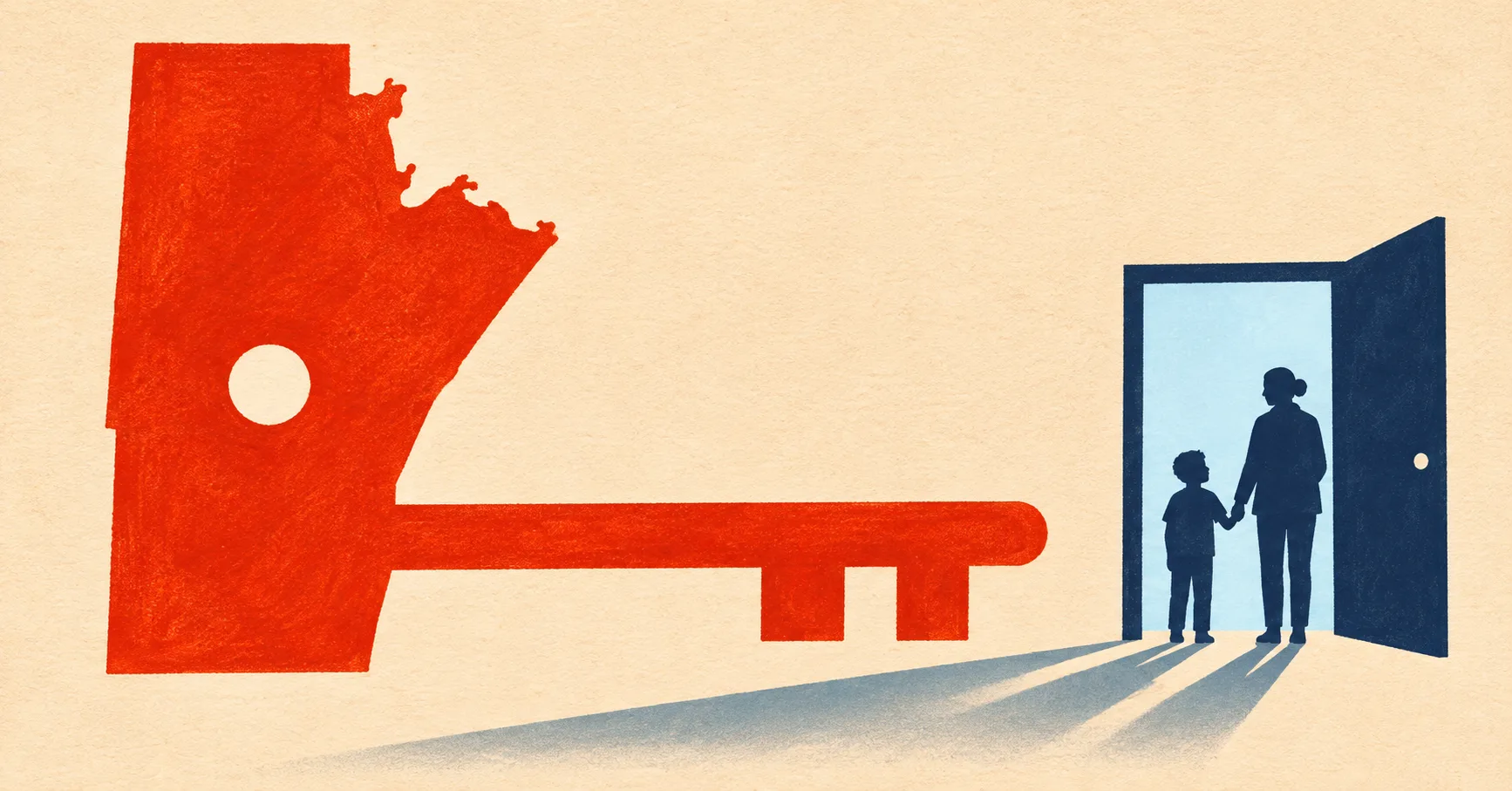
BATON ROUGE, LOUISIANA – Louisiana Medicaid is reviewing how it authorizes hours of applied behavior analysis, how it judges medical necessity, and whether it measures children’s progress.
Medicaid Executive Director Seth Gold described the review in a Sept. 14 interview with The Center Square. He said the department was examining its policies on treatment hours, medical-necessity reviews, and whether children show meaningful progress, and that the state wants treatment intensity to match each child’s needs and, when appropriate, decline over time. LDH Secretary Bruce Greenstein said ABA should have measurable goals and an exit strategy. The interview announced no new weekly limit.
“This should not be an ongoing 40 hours a week for any kid that qualifies.” – Bruce Greenstein, Secretary, Louisiana Department of Health (2026)
Greenstein said Medicaid spending on ABA had risen 41% over 3 years. Gold attributed the growth to more children receiving therapy and more treatment hours per child. He said higher reimbursement rates did not drive it. Gold also said LDH was extending heightened Medicaid enrollment screening to ABA providers, including site visits, background checks, and fingerprinting.

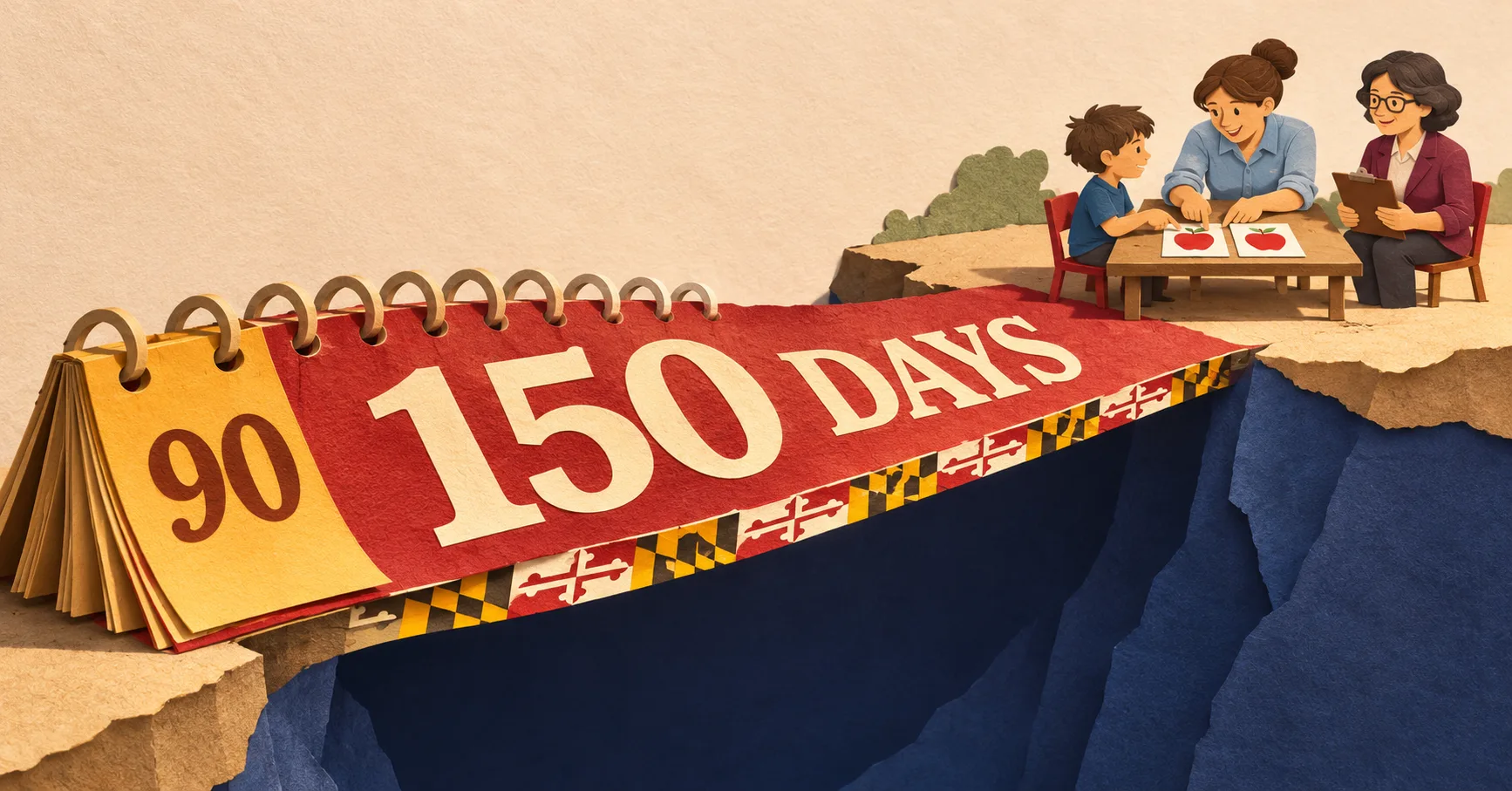
Some of what the review covers is already in the rules. LDH’s ABA manual requires covered therapy to be medically necessary, prior authorized, and delivered under a behavior treatment plan, and managed-care plan policies posted by LDH limit each ABA authorization to 180 days.
What the Federal Audits Measured
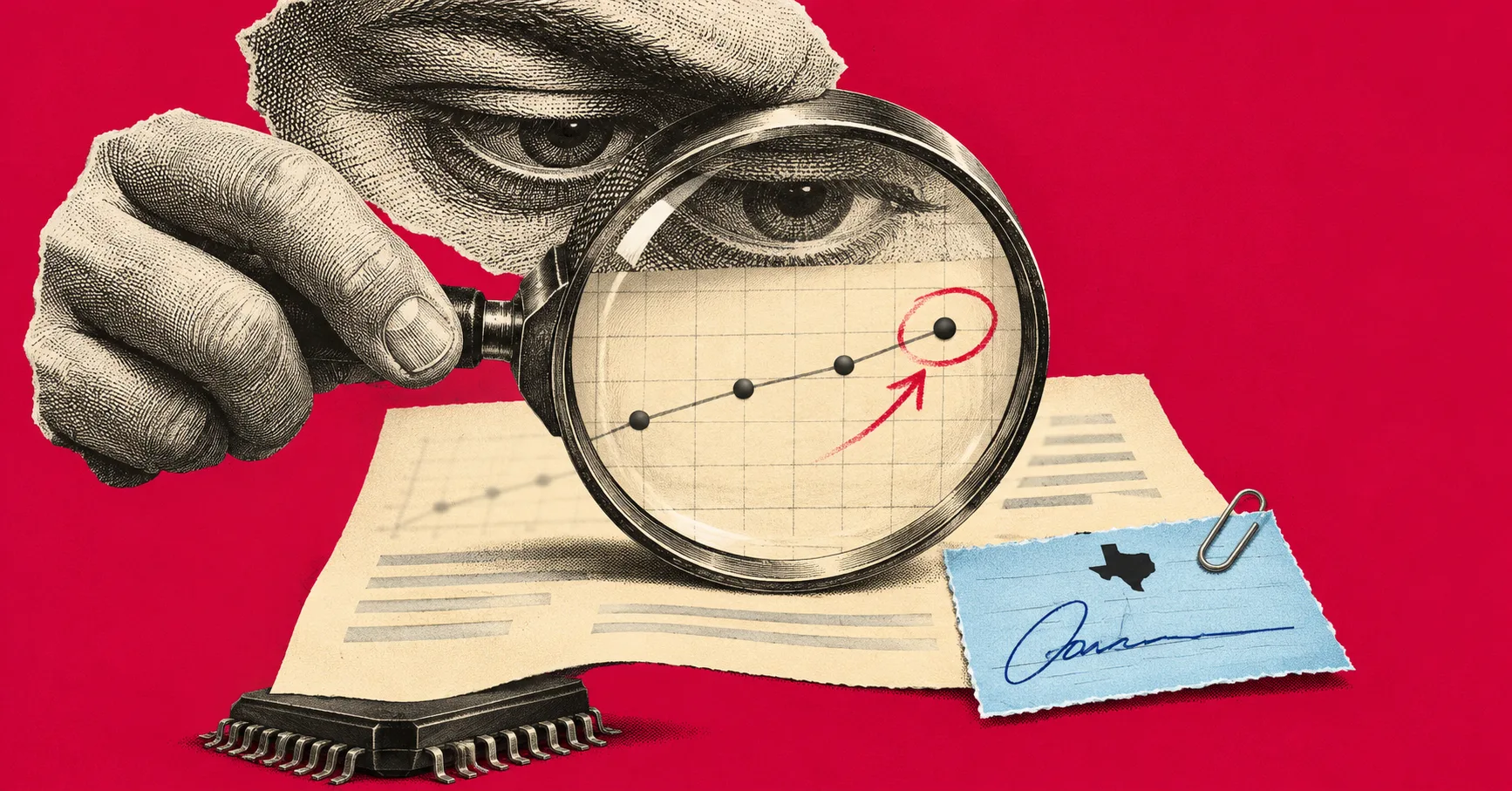
Federal audits are the backdrop. The HHS Office of Inspector General (OIG) has published 4 state reports in its Medicaid ABA audit series. These compliance audits test whether a state’s fee-for-service Medicaid payments met federal and state requirements, and they do not determine whether fraud occurred. They estimate at least ~$56 million in improper ABA payments in Indiana, $18.5 million in Wisconsin, and $77.8 million in Colorado, plus $45.6 million in Maine for a broader category of autism services that includes ABA.
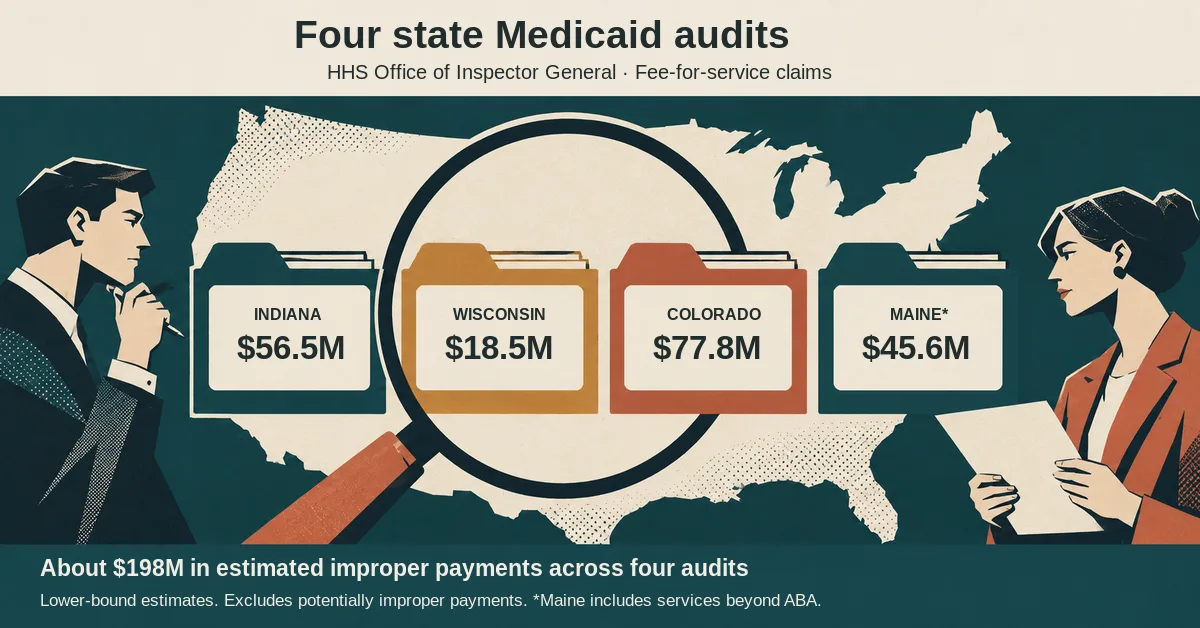
In each audit, all 100 sampled enrollee-months had at least one claim line that auditors classified as improper or potentially improper; an enrollee-month is one beneficiary’s claims for the audited services in one month. The most recent Colorado report excluded enrollee-months under $1,000 and services from providers under OIG investigation. Its improper-payment findings rested on session notes or electronic visit records that did not meet documentation requirements, staff without the required credentials, and missing documentation of diagnostic evaluations or treatment referrals.
One Colorado finding bears directly on the questions Louisiana is asking. Colorado required renewed authorization every 6 months but no updated referral from an independent qualified provider, so in some sampled cases continued treatment rested solely on the treating facility’s recommendation, an arrangement OIG called potentially a conflict of interest. OIG did not itself review whether the therapy was medically necessary.
OIG lists 4 more audits in the series as active and publishes each title once the report is posted. It has not said which states they cover.
The Provider Argument
Providers have begun making their case in public. In a Nov. 20 guest column for The Advocate and nola.com, Baton Rouge behavior analyst Grant Gautreaux wrote that rising Medicaid spending on ABA “doesn’t mean fraud has increased,” attributing the growth to better public understanding of autism, improved diagnosis, and more licensed providers.
Gautreaux wrote that he supports LDH’s added oversight but urged the department to punish bad actors rather than adopt restrictive policies aimed only at cutting costs, which he said would leave children with autism to “pay the price.”
What Comes Next
Any manual change from the review would normally surface for comment first. State law generally requires at least 45 days of public comment before LDH adopts covered Medicaid policy changes. The law has an emergency exception and does not apply to policies adopted through formal rulemaking or included in executed contract amendments.
In a separate measure, lawmakers have asked for a broader report. House Concurrent Resolution 27, adopted in May, asks LDH and the state Department of Education, working with the Louisiana chapter of the American Academy of Pediatrics, to report on autism support services by Jan. 1, 2027, including service utilization trends, reimbursement inadequacies, fraud concerns, and diagnostic practices.
AT A GLANCE
| Under LDH review: | Treatment-hour policies, medical-necessity reviews, and progress measures (Seth Gold, Sept. 2026) |
| Draft from the review: | None found in public records reviewed through Nov. 24, 2026 |
| LDH-reported ABA spending growth: | 41% over 3 years; no dollar totals given (The Center Square, Sept. 14, 2026) |
| Growth drivers cited by LDH: | More children in therapy and more treatment hours per child, not higher rates |
| Provider screening: | Heightened enrollment screening extended to ABA providers, including fingerprinting, per Gold |
| HHS-OIG ABA audit series: | 4 fee-for-service reports (IN, WI, ME, CO), about $198 million estimated improper combined; 4 audits active |
| Public comment rule: | Generally at least 45 days for covered policy changes (La. R.S. 46:460.54) |
| Legislature’s requested autism-services report: | Due Jan. 1, 2027, under HCR 27; sets no date for ABA policy |
SOURCES & REFERENCES
| 1. | McKendry N. The Center Square. “Louisiana scrutinizes Medicaid autism therapy as spending rises 41%.” Syndicated by AOL. Sept. 14, 2026. https://www.aol.com/articles/louisiana-scrutinizes-medicaid-autism-therapy-160300000.html |
| 2. | Louisiana Department of Health. Medicaid Provider Manuals (changes posted for public comment). Accessed Nov. 24, 2026. https://ldh.la.gov/page/3680 |
| 3. | Louisiana Department of Health. Medicaid Rulemaking. Accessed Nov. 24, 2026. https://www.ldh.la.gov/medicaid/rulemaking |
| 4. | Louisiana Medicaid Services Manual, Chapter 4: Applied Behavior Analysis, Section 4.1 Covered Services (posted by LDH). https://www.ldh.la.gov/assets/Medicaid/PC-PM/12.30.24/2024-ABA-5_4.1_Covered_Services_12.30.24.docx |
| 5. | Louisiana Healthcare Connections. Clinical Policy LA.CP.MP.490c, Outpatient Applied Behavior Analysis Medical Necessity (posted by LDH, July 2025). https://www.ldh.la.gov/assets/medicaid/MCPP/7_15_25/982_LHCC_LA.CP.MP.490c_Outpatient_Applied_Behavior_Analysis-Medical_Necessity-.pdf |
| 6. | BreakingNewsABA. “Louisiana ABA Operators Now Face Fingerprinting And Hours Review. Healthy Blue, with 290k Members, To Exit.” Sept. 21, 2026. https://breakingnewsaba.com/policy/louisiana-aba-operators-now-face-fingerprinting |
| 7. | HHS Office of Inspector General. Series: Audits of Medicaid Applied Behavior Analysis for Children Diagnosed With Autism (SRS-A-25-029). Accessed Nov. 24, 2026. https://oig.hhs.gov/reports/work-plan/browse-work-plan-projects/srs-a-25-029/ |
| 8. | HHS Office of Inspector General. Colorado Made at Least $77.8 Million in Improper Fee-for-Service Medicaid Payments for Applied Behavior Analysis Provided to Children (A-09-24-02004). February 2026. https://oig.hhs.gov/reports/all/2026/colorado-made-at-least-778-million-in-improper-fee-for-service-medicaid-payments-for-applied-behavior-analysis-provided-to-children/ |
| 9. | HHS Office of Inspector General. Indiana Made at Least $56 Million in Improper Fee-for-Service Medicaid Payments for ABA Provided to Children Diagnosed With Autism (A-09-22-02002). December 2024. |
| 10. | HHS Office of Inspector General. Wisconsin Made at Least $18.5 Million in Improper Fee-For-Service Medicaid Payments for ABA Provided to Children Diagnosed With Autism (A-06-23-01002). July 2025. |
| 11. | HHS Office of Inspector General. Maine Made at Least $45.6 Million in Improper Fee-for-Service Medicaid Payments for Rehabilitative and Community Support Services Provided to Children Diagnosed With Autism (A-01-24-00006). January 2026. |
| 12. | Gautreaux G. “Guest Column: Behavior analysis offers hope to those with autism. Its funding should be protected.” The Advocate / nola.com. Nov. 20, 2026. https://www.nola.com/opinions/guest_columns/guest-column-medicaid-aba-autism-funding/article_8469b2d7-e016-4b06-a482-5238289c31aa.html |
| 13. | La. R.S. 46:460.54, Medicaid policies and procedures; procedure for adoption (Subsections A, C and D). Accessed Nov. 24, 2026. https://www.legis.la.gov/legis/Law.aspx?d=1148479 |
| 14. | Louisiana Legislature. House Concurrent Resolution No. 27 (Enrolled), 2026 Regular Session. https://www.legis.la.gov/Legis/ViewDocument.aspx?d=1476509 |