
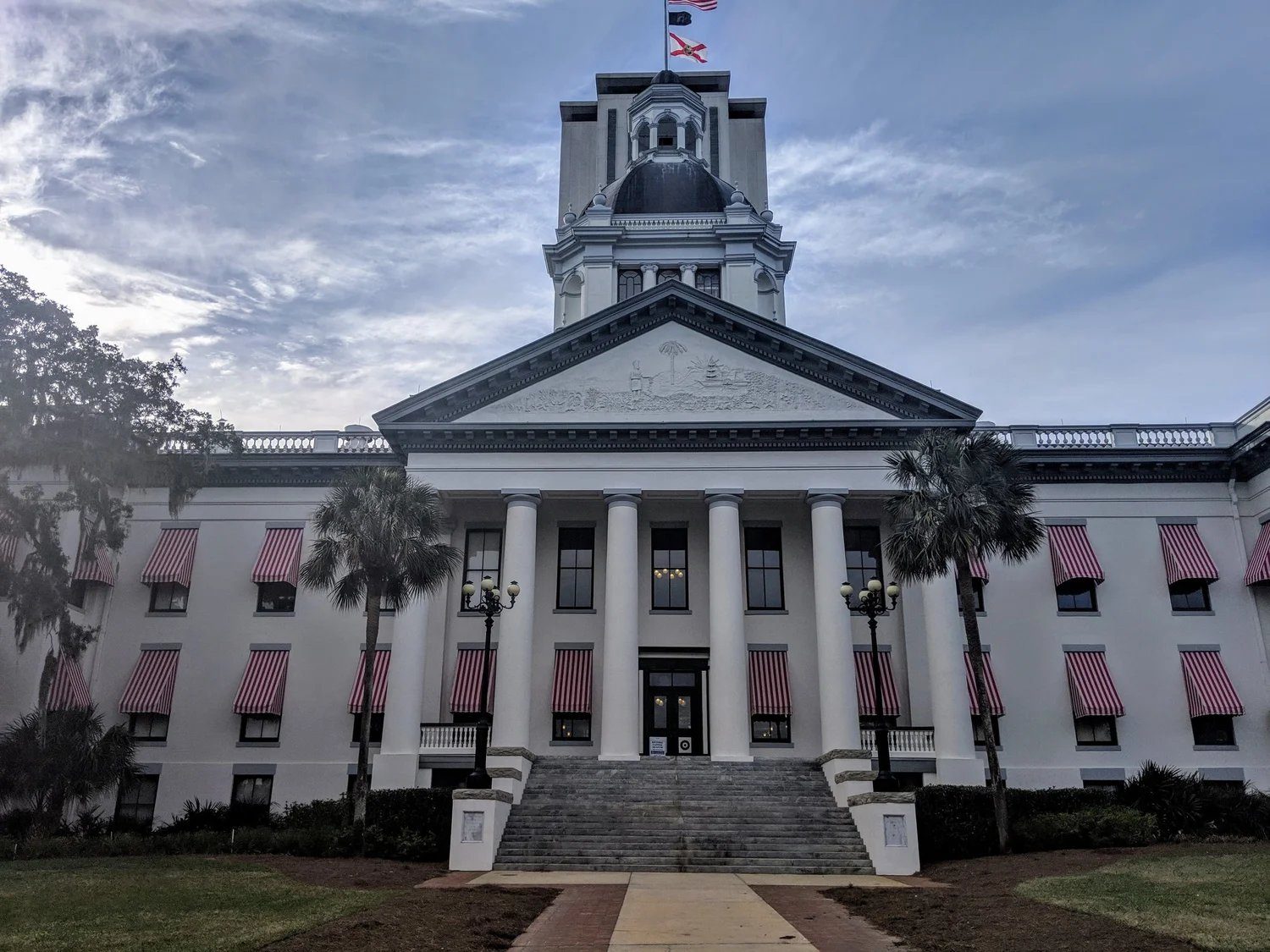
The Rumor and the Record
Reports have circulated on autism and ABA forums in recent weeks describing a sudden collapse of Miami’s applied behavior analysis network, with hundreds of agencies said to have lost their Medicaid provider numbers overnight and children left without therapists. The accounts are alarming, and the distress behind them is real. The specific claim, a single coordinated mass termination driven by a fraud sweep or a quiet managed care directive, is not something primary records support. What the records do show is a slower, more bureaucratic story that produces much the same result for families.
Since February 1, 2025, Florida has run its Medicaid behavior analysis benefit through managed care plans rather than paying providers directly. The change was administrative on paper. In practice it moved tens of thousands of children and their providers into a credentialing system that was not ready for them, and the distance between what the plans count as an adequate network and what families can actually find has been widening ever since. A bill written this year to force the plans to fix it died in committee in March.
What Changed in February
For years, Florida reimbursed behavior analysis on a fee-for-service basis, with providers billing the Agency for Health Care Administration directly. Under the Statewide Medicaid Managed Care program, that arrangement ended. Behavior analysis is now folded into the managed care plans that cover most Florida Medicaid enrollees, which means a child’s provider has to be credentialed and in-network with the specific plan the child is assigned to. Providers bill the plan, not the state.
The plans carrying these children include Aetna Better Health, Sunshine Health, Florida Community Care, Simply Healthcare, Humana, Molina, and UnitedHealthcare, along with a specialty plan for children with complex needs. To cushion the handoff, the transition came with a continuity-of-care period of 120 days beginning February 1, 2025, during which plans were supposed to keep authorizing existing services while providers got credentialed. Florida Health Justice, a legal aid group, reminded families that children retain their federal EPSDT entitlement to medically necessary care, a 90-day continuity-of-care right when switching providers, and the right to appeal any reduction or termination through a Notice of Adverse Benefit Determination.
Where the System Broke
The continuity protections assumed credentialing would move quickly. It did not. A provider-and-family petition filed in January 2025 described the managed care credentialing process as riddled with delays, with applications rejected on the grounds that the plans already had adequate networks, determinations the providers said did not match the waitlists in front of them. Credentialing specialists who work across states have made the same observation about Florida, noting that the managed care organizations were underprepared for the volume of behavior analysis providers they had to process at once.
The result, for families, looks like the reports describe even when the mechanism is different. Parents have received notices that a child’s long-standing provider is no longer in-network and that they need to find a new one, sometimes within days. Miami providers have spent the year telling families which plans they are contracted with and which they are not. South Florida feels this most acutely, both because Miami-Dade and Broward hold a large share of the state’s Medicaid-enrolled children with autism and because the region carries a history of fraud enforcement that makes provider churn especially visible
What the Reports Get Right, and What They Do Not
That history is worth stating plainly, because it is the source of the fraud-sweep theory now attached to the rumors. Effective May 14, 2018, AHCA imposed a moratorium on the enrollment of new behavior analysis providers in Miami-Dade and Broward after its Medicaid Program Integrity unit found falsified enrollment credentials and fraudulent billing. The moratorium was real, it was later lifted, and it left a lasting impression that South Florida ABA is a fraud-enforcement target. That impression makes a mass fraud purge easy to believe.
Belief is not confirmation. There is no primary record of a single recent action terminating hundreds of Miami agencies’ group provider numbers, and no official statement attributing such a step to fraud or to a managed care directive. The verifiable disruption is the credentialing and network-adequacy failure that followed the 2025 transition. Conflating the two does families a disservice, because the remedies differ. A fraud termination is fought through hearings and appeals. A credentialing backlog is fought through the plans and the state, and, this year, it was supposed to be fought through the Legislature.
The terminations families describe are real in their effect, even if not in the way the rumors frame them. A child loses a therapist whether the cause is a fraud sweep or a stalled credentialing file.
The Fix That Died
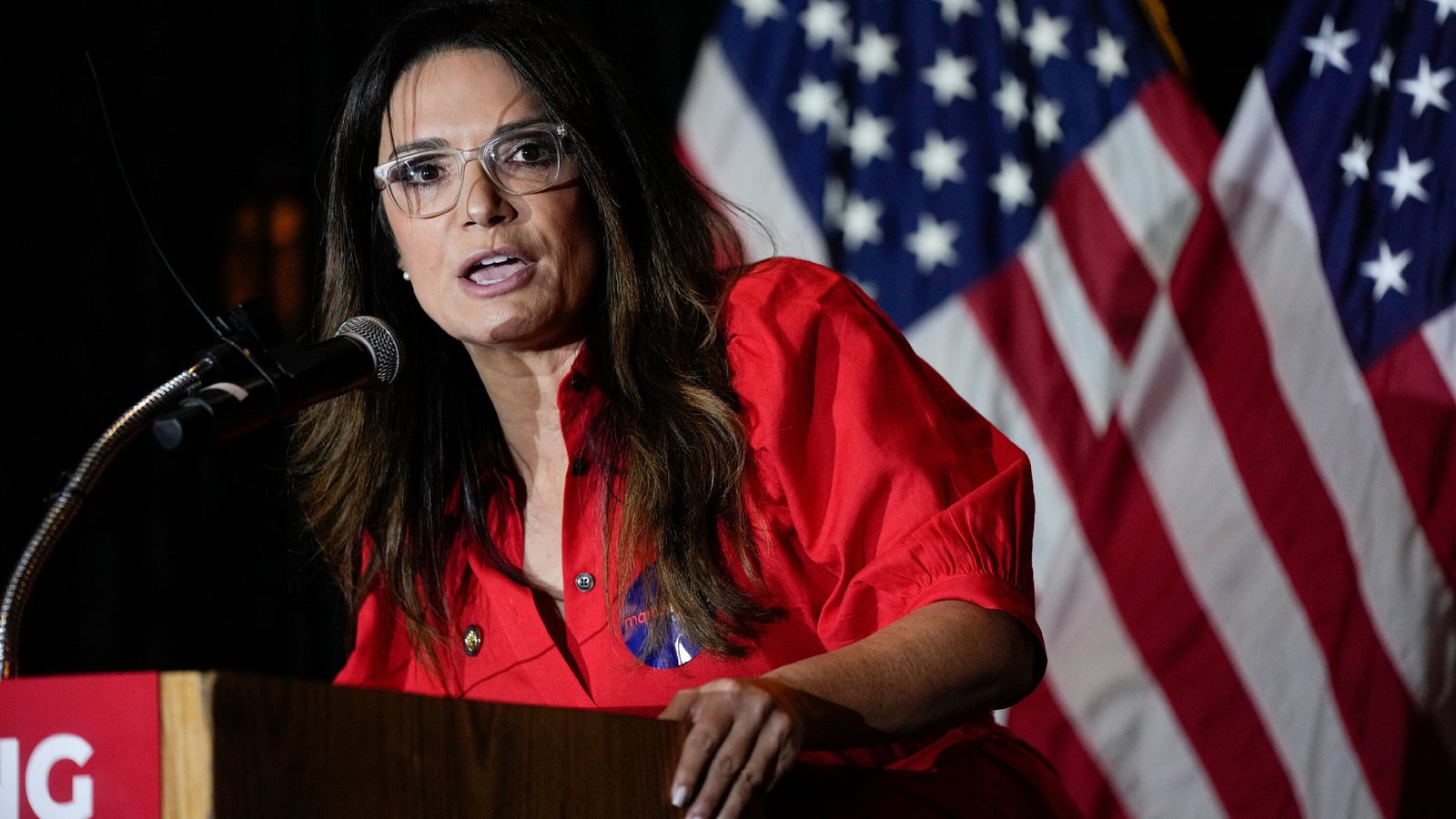
In the 2026 session, state Senator Ileana Garcia, a Miami-Dade Republican, filed Senate Bill 1648, titled Access to Applied Behavior Analysis Services. It was a direct response to the credentialing breakdown. The bill would have required managed care plans to use a standardized, consolidated credentialing process, to notify a provider of all deficiencies in a single notice within 15 days of an application, and to complete credentialing within 60 days of a clean one. It would have barred plans from making providers repeat the full process after a coverage gap if their license and certification stayed active, and it would have sharply limited a plan’s ability to freeze its provider roster.
The bill also tried to protect care directly. It would have guaranteed a continuity-of-care period of no less than 120 days, with prior authorizations honored and backdated, and required that coverage decisions rest on individualized medical necessity rather than age-based hour targets. Its own findings named the problem in unusually blunt terms, describing how administrative barriers like roster freezes and duplicative credentialing requirements can produce real harm to children and families. On March 13, 2026, Senate Bill 1648 died in the Health Policy committee, its first stop, without advancing.
“Gaps in care, regression, and harm to recipients and families.” – Florida Senate Bill 1648 (2026)
What Families and Providers Face Now
With no statute on the books, the burden stays where the transition left it. Providers carry plan-by-plan credentialing, separate portals, and authorization rules that differ across seven managed care plans, and they absorb the cash-flow hit when a credentialing file stalls. Families lean on the protections that already exist: the EPSDT entitlement, the continuity-of-care windows, the 60-day standard for specialist access, and the appeal rights triggered by an adverse benefit notice. Disability Rights Florida and Florida Health Justice have published guidance on using them.
The open question is whether a fix arrives administratively before it arrives legislatively. AHCA can amend its managed care contracts to tighten credentialing timelines and network-adequacy standards without waiting for a bill, and a 2027 measure could revive what Senate Bill 1648 proposed. Until one of those happens, the gap between an adequate network on paper and a reachable therapist in Miami stays open, and the children waiting in it are the ones the rumors, for all their distortion, are right to worry about.
AT A GLANCE
| What changed: | Florida moved Behavior Analysis (ABA) into Statewide Medicaid Managed Care, effective February 1, 2025 |
| New requirement: | Providers must be credentialed and in-network with each child’s managed care plan and bill the plan directly, not AHCA fee-for-service |
| Plans involved: | Aetna Better Health, Sunshine Health, Florida Community Care, Simply Healthcare, Humana, Molina, UnitedHealthcare, plus a children’s specialty plan |
| The breakdown: | MCO credentialing has been slow and inconsistent; applications rejected on “adequate network” grounds providers dispute; families told their provider is out-of-network |
| Continuity of care: | A 120-day continuity period began Feb. 1, 2025; prior authorizations were to be honored during the switch |
| Miami context: | South Florida (Miami-Dade, Broward) is the epicenter; AHCA imposed a 2018 fraud-driven moratorium on new ABA providers there, later lifted |
| What is unconfirmed: | Online reports of a single mass termination of hundreds of Miami agencies, and a fraud-sweep cause, are not corroborated by primary records |
| The proposed fix: | SB 1648 (Sen. Ileana Garcia) set credentialing deadlines (15-day deficiency notice, 60-day credentialing), 120-day continuity, moratorium limits, and prompt-payment rules |
| Bill status: | SB 1648 died in the Senate Health Policy committee on March 13, 2026 |
| Family rights: | EPSDT entitlement; continuity of care when switching providers; 60-day specialist access; right to appeal via a Notice of Adverse Benefit Determination |
| Added hurdle: | Per provider guidance, since June 1, 2025 Florida requires a Comprehensive Diagnostic Evaluation (CDE) for new ABA authorizations |
| Bottom line: | The disruption is real and rooted in the managed care transition, not a confirmed purge; with the fix dead, credentialing and continuity gaps persist |
SOURCES & REFERENCES
| 1. | Agency for Health Care Administration. “Statewide Medicaid Managed Care: Behavior Analysis Program Highlight” (BA transition to managed care, contracts effective February 2025). October 18, 2024. https://ahca.myflorida.com/content/download/25045/file/SMMC%203.0_BA%20Program%20Highlight_10182024.pdf |
| 2. | Florida Health Justice Project. “Important Change to Behavior Analysis (BA) Therapies for Medicaid Enrolled Children” (SMMC shift; in-network requirement; plan list; EPSDT; 90-day continuity; NABD appeals). August 22, 2025. https://floridahealthjustice.org/publications/important-change-to-behavior-analysis-ba-therapies-for-medicaid-enrolled-children/ |
| 3. | Florida House of Representatives. “Final Bill Analysis, CS/HB 255 (2022)” (documents the May 14, 2018 AHCA moratorium on new behavior analysis providers in Miami-Dade and Broward, based on falsified enrollment credentials and fraudulent billing). https://flsenate.gov/Session/Bill/2022/255/Analyses/h0255z1.ELE.PDF |
| 4. | The Florida Senate. “SB 1648 (2026): Access to Applied Behavior Analysis Services” (sponsor Sen. Garcia; Last Action: died in Health Policy, March 13, 2026; effective date 7/1/2026). https://www.flsenate.gov/Session/Bill/2026/1648 |
| 5. | The Florida Senate. “SB 1648 Bill Text (Filed)” (creating s. 409.9775, F.S.; 15-day deficiency notice, 60-day credentialing, 120-day continuity of care, moratorium limits, medical-necessity standard, prompt payment). https://www.flsenate.gov/Session/Bill/2026/1648/BillText/Filed/HTML |
| 6. | Change.org. “Protect Access to ABA Therapy for Florida Families” (provider-and-family petition: MMA billing effective Feb. 1, 2025; credentialing “riddled with delays”; rejections citing adequate networks). January 21, 2025. https://www.change.org/p/protect-access-to-aba-therapy-for-florida-families |
| 7. | The Missing Piece. “2025 Credentialing Delays: What ABA Providers Should Know” (Florida MCOs underprepared for credentialing volume after the managed care transition). September 30, 2025. https://yourmissingpiece.com/resources/credentialing-delays-what-providers-should-know/ |
| 8. | UnitedHealthcare. “Florida Statewide Medicaid Managed Care Behavioral Analysis Quick Reference Guide” (120-day continuity-of-care period beginning Feb. 1, 2025; Provider Express portal). February 1, 2025. https://www.uhcprovider.com/content/dam/provider/docs/public/commplan/fl/resources/FL-BAP-QRG.pdf |
| 9. | Mestre Behavior (Miami). “Big Medicaid Changes in Florida” (account of plan reassignments and out-of-network notices to families; eight MMC plans plus a children’s plan). August 6, 2025. https://www.mestrebehavior.com/big-medicaid-changes/ |
| 10. | Autism Specialty Group. “CDEs and ABA in Florida: What Every Parent Should Know” (Comprehensive Diagnostic Evaluation required for new ABA authorizations as of June 1, 2025; pre-authorization by the managed care plan). November 21, 2025. https://www.autismspecialtygroup.com/blog/cdes-and-aba-in-florida-what-every-parent-should-know |