
From Letter to Follow-Up
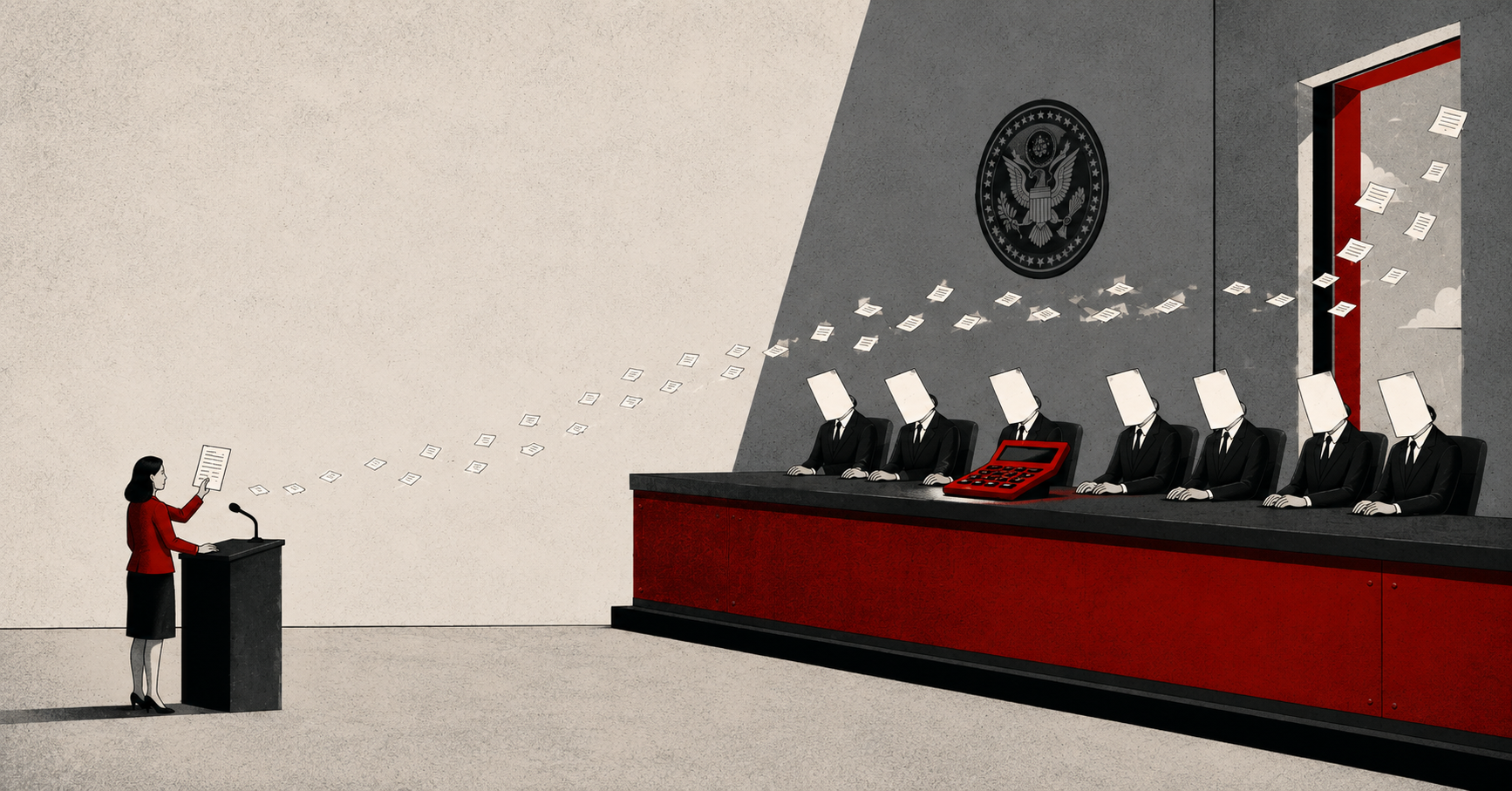
SALEM, OREGON – Christina Williams asked Oregon’s Behavior Analysis Regulatory Board to raise the state’s interventionist training standards before its July 10 meeting. Her account of what happened inside that meeting describes a board that could not recall why her issue was on its agenda, weighed cost ahead of client safety, and let public comment pass without a response.
Williams laid out her case in a July 6 letter the Health Licensing Office included in the meeting packet. The letter asked the board to open rulemaking on four fronts: raising registered behavior analysis interventionist (RBAI) training from 40 hours to 80, with at least 40 of those hours spent in supervised, hands-on clinical work; creating a 90-day interim RBAI license; creating a student analyst license for graduate students completing fieldwork; and holding agencies accountable for the operational decisions that affect compliance, not just the clinicians who sign the paperwork. A second commenter, Casey Williams, emailed the board the day of the meeting asking it to form a committee to review the training proposals.
In a written follow-up provided to BreakingNewsABA, Williams thanks the people who supported the proposals, then turned to the meeting itself, citing timestamps from the video. The Health Licensing Office (HLO) has posted the full recording, titled “BARB Board Meeting-7/10/2026,” to its YouTube channel; quotes from the meeting in this article are as they appear in Williams’ report to BreakingNewsABA.com.
The Attestation Question
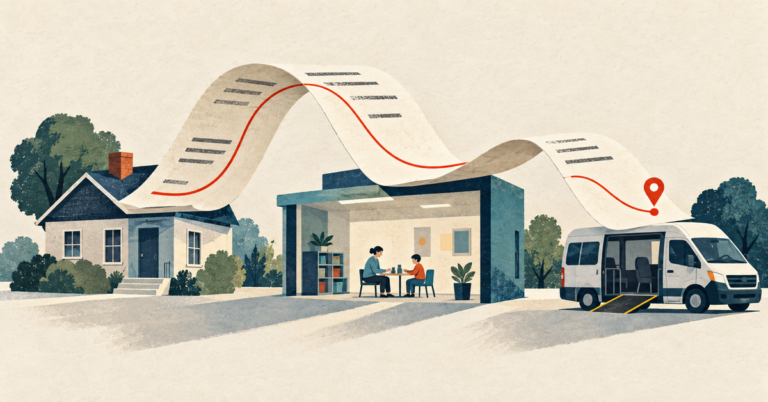
The concern Williams brought to the board starts with a form. The HLO’s competency assessment for interventionists has the supervisor attest that a competency assessment was provided before the RBAI delivered any independent services to clients, according to the form in the meeting packet. Williams says that language asks BCBAs to attest to something they often cannot verify, because in larger companies, the scheduling that places technicians with clients is handled by administrators, not clinicians. She had asked the board to remove it.
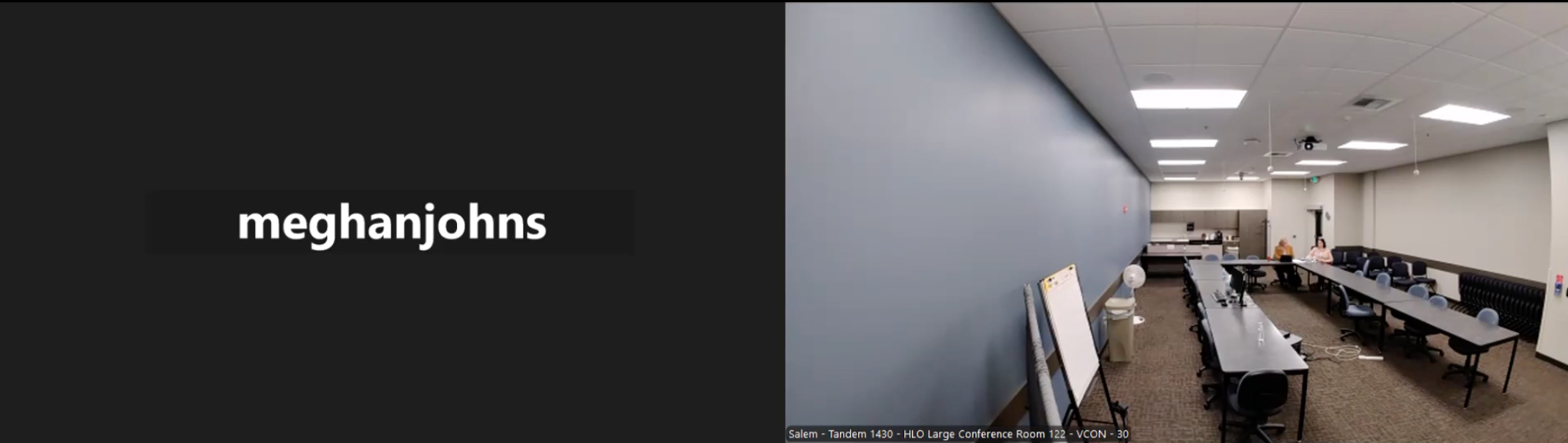
The board had voted at its last meeting to discuss the issue, Williams said, but the discussion never got there. When members turned to the interventionist forms, about 35 minutes in, chair Meghan Johns said, “I don’t recall exactly what we were wanting to look at specifically about the interventionist registration application other than potentially some like revision around that experience factor,” according to Williams’ account. Williams was the public commenter who had asked for the review, and she says no one asked her to clarify. The attestation language itself was never addressed, she says, and members said instead that it would be helpful to see what the RBAIs see on their forms.
Public Protection Versus Fiscal Impact
The board did briefly discuss training standards, Williams says, but the concerns she heard were about fiscal impact rather than client safety. It fell to Anne Thompson, the board’s policy analyst, to redirect the conversation, about an hour and 14 minutes in.
“We’re here for public protection, and I know there is a fiscal impact, but we just have to be really careful that we don’t slip into too much reasoning with compensation.” – Anne Thompson, HLO policy analyst, at the July 10 meeting, per Williams’ account.
Thompson added that if the board decides to make a change based on public protection, the fiscal impact can be worked out after, according to the same account.
Why Problems May Not Reach the Board
Williams says the board seemed to conclude that training is not a problem because there have been few reports of issues with RBAI registrations. The meeting packet’s regulatory report is consistent with a small caseload; it lists interventionist complaint counts in the low single digits.
Her response, delivered in public comment, is that the reporting pipeline never reaches the board. If a behavior technician is injured, it goes to HR and workers’ compensation inside the company, she said. If a client is injured, the technician is usually fired or given corrective action. Neither path produces a complaint against a registration.
What Happened to Public Comment
After the public comment period, Williams says, the board did not respond to any of the policy points raised, or to the direct request to form a committee to review training standards. She and another commenter were also never called on before speaking, even though the board’s own public comment instructions say commenters must wait to be called. Williams reads that as unfamiliarity with the procedure rather than an intended slight.
The board’s calendar gives her another window. The meeting list on the HLO’s meetings page shows BARB meeting again at 9 a.m. on Aug. 28, with a special meeting at 10 a.m. on Sept. 4, though the office cautions that schedules and agendas are subject to change. The packet’s rulemaking schedule also includes public comment on the board’s proposed ethics rule, closing after a rules hearing on Aug. 28.
AT A GLANCE
| Meeting: | 9 a.m. July 10, 2026, Health Licensing Office, Salem (meeting packet) |
| Williams’ core proposal: | RBAI training raised from 40 to 80 hours, at least 40 hands-on (July 6 letter, meeting packet) |
| Also proposed: | 90-day interim RBAI license; student analyst license; agency-level accountability (meeting packet) |
| Attestation at issue: | Supervisor attests a competency assessment was provided before independent service delivery (HLO form, meeting packet) |
| Williams’ account: | Attestation question unaddressed; no board response to the committee request (written follow-up, July 2026) |
| Interventionist complaints: | Low single digits in the packet’s regulatory report (meeting packet) |
| Next meetings: | Aug. 28, 2026, 9 a.m.; special meeting Sept. 4, 2026, 10 a.m. (HLO meetings page, as of July 13, 2026; subject to change) |
| Ethics rule comment deadline: | Public comment closes after the Aug. 28 rules hearing (packet rule schedule) |
SOURCES & REFERENCES
| 1. | Health Licensing Office, Behavior Analysis Regulatory Board. Board Meeting Materials, July 10, 2026. oregon.gov/oha/PH/HLO/Board Meeting Documents/BARB/2026/BARB-Board_Meeting_Materials-07-10-2026.pdf |
| 2. | Oregon Health Authority, Health Licensing Office. Behavior Analysis Regulatory Board – Board Meetings. Accessed July 13, 2026. oregon.gov/oha/PH/HLO/Pages/Board-Behavior-Analysis-Regulatory-Meetings.aspx |
| 3. | Williams, Christina. Written follow-up account of the July 10, 2026 BARB meeting, with timestamped quotes, provided to BreakingNewsABA. July 2026. |
| 4. | State of Oregon Health Licensing Office. “BARB Board Meeting-7/10/2026.” YouTube. youtube.com/watch?v=X5BAZYoC75g |