
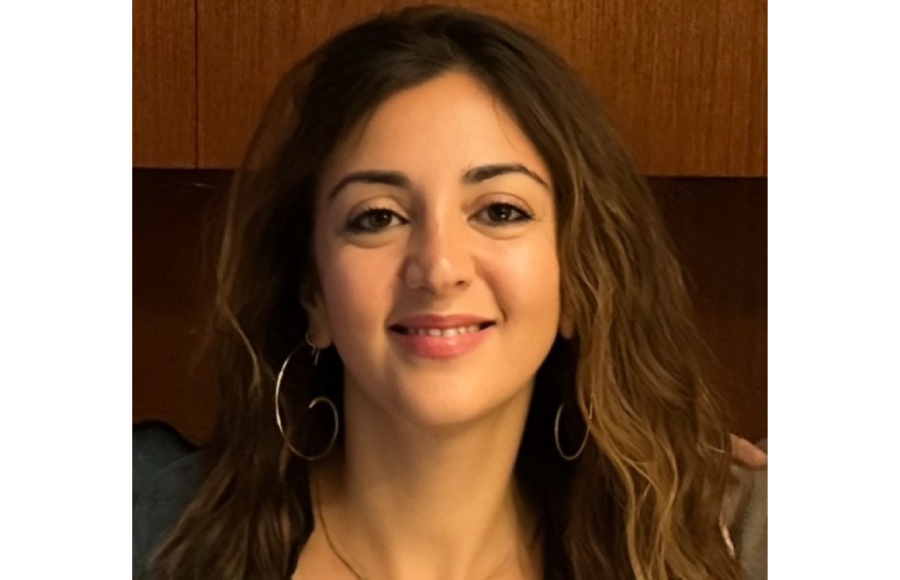
HACKENSACK, N.J.—Leila Farshchian was 15 years old when she first encountered the world of autism up close. She wasn’t in a classroom or a research lab—she was babysitting a five-year-old girl, sweet and determined, working hard at her ABA sessions in a way that left a mark on the teenager watching her. Farshchian watched her hit milestone after milestone, becoming more independent and more social with each passing week. She didn’t know it yet, but that experience was shaping something.
“I was deeply inspired by how hard she worked to achieve each milestone,” Farshchian recalls. “ABA tapped into her potential and fostered her skills in every facet of her life. I witnessed her becoming independent and social with each passing day.”
That experience was formative, but the roots of Farshchian’s path run even deeper. When she was five years old, her best friend moved away. In her place, a 13-year-old neighbor with autism became one of the kindest and most grounding connections of her childhood—a true friend who shaped how she understood empathy, difference, and belonging long before she formally entered the field. She also attended ten different schools during her first twelve years of education. That instability didn’t break her; it became the lens through which she later understood what it meant to serve learners who had been marginalized by systems that weren’t built for them.
ABA itself came into focus later, in college. What drew Farshchian to the field was that it bridged both sides of how she thinks—the creative and the scientific. She could measure progress and use creativity in how she taught and connected with learners. That combination became a natural fit and the foundation for everything that followed.
Today, Farshchian is the CEO of CircaThera—a multidisciplinary, AI powered clinical operating system serving schools, clinics, agencies, and universities across the country. The company has built its AI engineering through the Amazon Web Services (AWS) Accelerator, and CircaThera has also been selected into NVIDIA’s program for cutting-edge AI resources. She’s also the founder of Learners’ Compass, an 80-member ABA clinic in Tenafly, New Jersey, the president and co-founder of the FarshchianART Foundation, and the driving force behind the Global SchoolHouse Project— an international digital equity initiative supporting underserved communities.
It’s a lot for one person. Farshchian doesn’t seem to notice.
Columbia, a Top-Three Program, and 1,500+ Curricula
Farshchian pursued ABA with single-minded focus after that early encounter. She earned her Master of Arts in Applied Behavior Analysis from Columbia University’s Teachers College and holds dual credentials as a Board Certified Behavior Analyst and Certified Special Educator. Her early career was spent in the trenches—designing programs and curricula for public and private schools across New York and New Jersey, building an intimate understanding of what actually happens in a classroom when you’re trying to reach a child with autism.
That practical instinct produced measurable results. After four years leading the autism program at a New Jersey public school district, the NJ Board of Education in Trenton recognized it as one of the top three programs for children with autism in the state. The year was 2007, and Farshchian was just getting started.
She went on to found Learners’ Compass in Tenafly, an ABA clinic that grew to a team of 80 professionals delivering interventions to individuals with autism ages 0 to 21, with services extending across Northern New Jersey and into New York City. The clinic became a member of the Council of Autism Service Providers (CASP) and earned a reputation for combining rigorous data-driven methodology with what Farshchian calls “the art of teaching”—the belief that effective ABA isn’t just about the science, but about knowing when and how to apply it in a way that respects each learner’s pace.
In her CASP spotlight, Farshchian was candid about one of the field’s deepest structural problems: the lack of a professional tier for highly experienced ABA providers. “We have many seasoned, dedicated masters level therapists with 15 to 20 years of experience,” she said. “However, they fall into the same category as providers without a higher education degree. I believe we need a new category for the ‘highly qualified professionals’ so these very effective therapists can feel supported, encouraged, and have proper compensation.”
Over the course of that clinical work, she developed more than 1,500 ABA data-driven curriculum programs spanning academics, verbal behavior, leisure, self-management, joint attention, and adaptive skills—a library rooted in Columbia University’s CABAS-centered science of teaching. That library would become the foundation for something much larger.
Building CircaThera
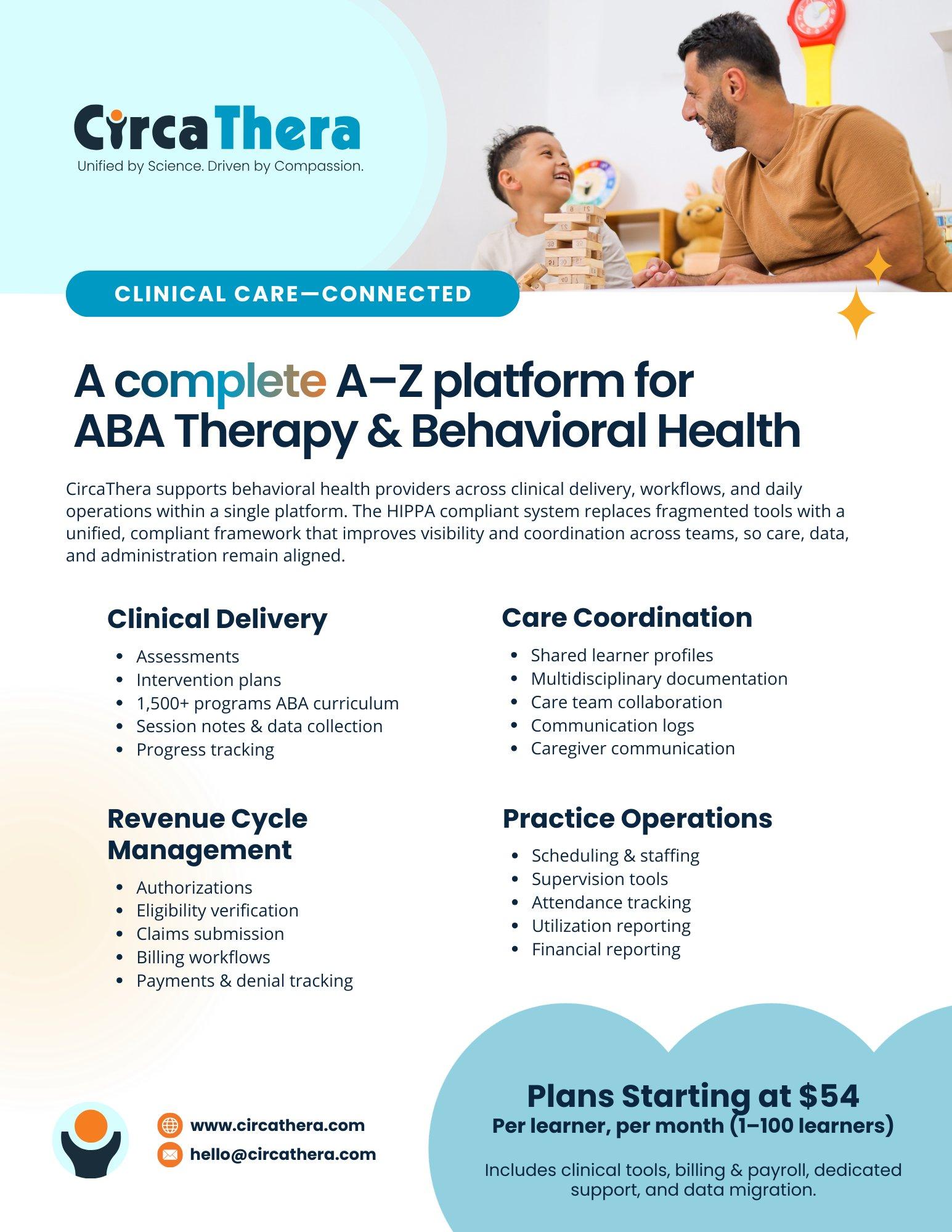
The jump from clinician to tech CEO wasn’t a pivot—it was an extension. Farshchian had built the lessons, the curriculum, and the tools to run her own practice effectively. The problem was that none of it could scale. So she created ABA Toolbox: an earlier ABA-focused technology platform and curriculum system developed from her clinical practice to automate ABA curriculum and program systems and make them available to other clinics, schools, and agencies. The concept was elegant—if one BCBA builds 1,500 programs that work, why should every other BCBA start from scratch?CircaThera represents the broader next generation of that vision—a multidisciplinary, AI-powered clinical operating system with a much larger mission and scope. The platform brings together providers across behavioral health, speech therapy, occupational therapy, physical therapy, mental health, and special education into a unified system that supports the full workflow from intake and assessment through goal development, documentation, scheduling, billing, and outcomes tracking. The goal is simple: enable professionals to coordinate care behind the scenes so families are not forced to carry the burden of connecting fragmented systems themselves.
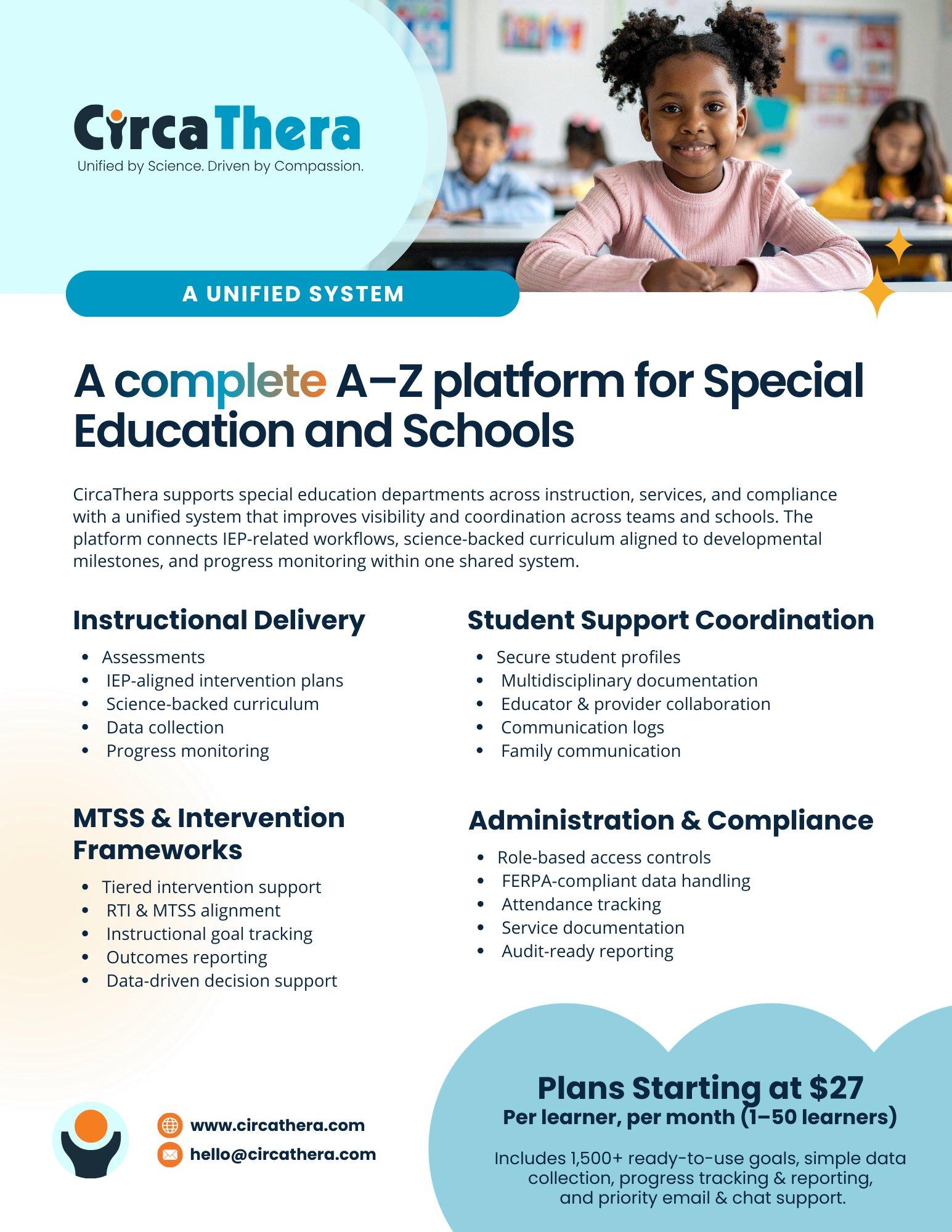
What sets CircaThera apart in the crowded ABA software market is the clinical intelligence embedded in its architecture. The platform is grounded in the principles of Verbal Behavior, CABAS®, and Precision Teaching— methodologies that power data-driven prompts to fade support, increase difficulty, and shift goals automatically rather than relying on static graphs and manual reviews. Each program includes BCBA-authored step sheets explaining target objectives for therapists, and the system guides clinicians with real-time prompts to adjust interventions based on incoming data. For school districts and multi-location agencies trying to maintain treatment fidelity across teams of RBTs and BCBAs, that built-in clinical reasoning is the difference between a software tool and a clinical partner.
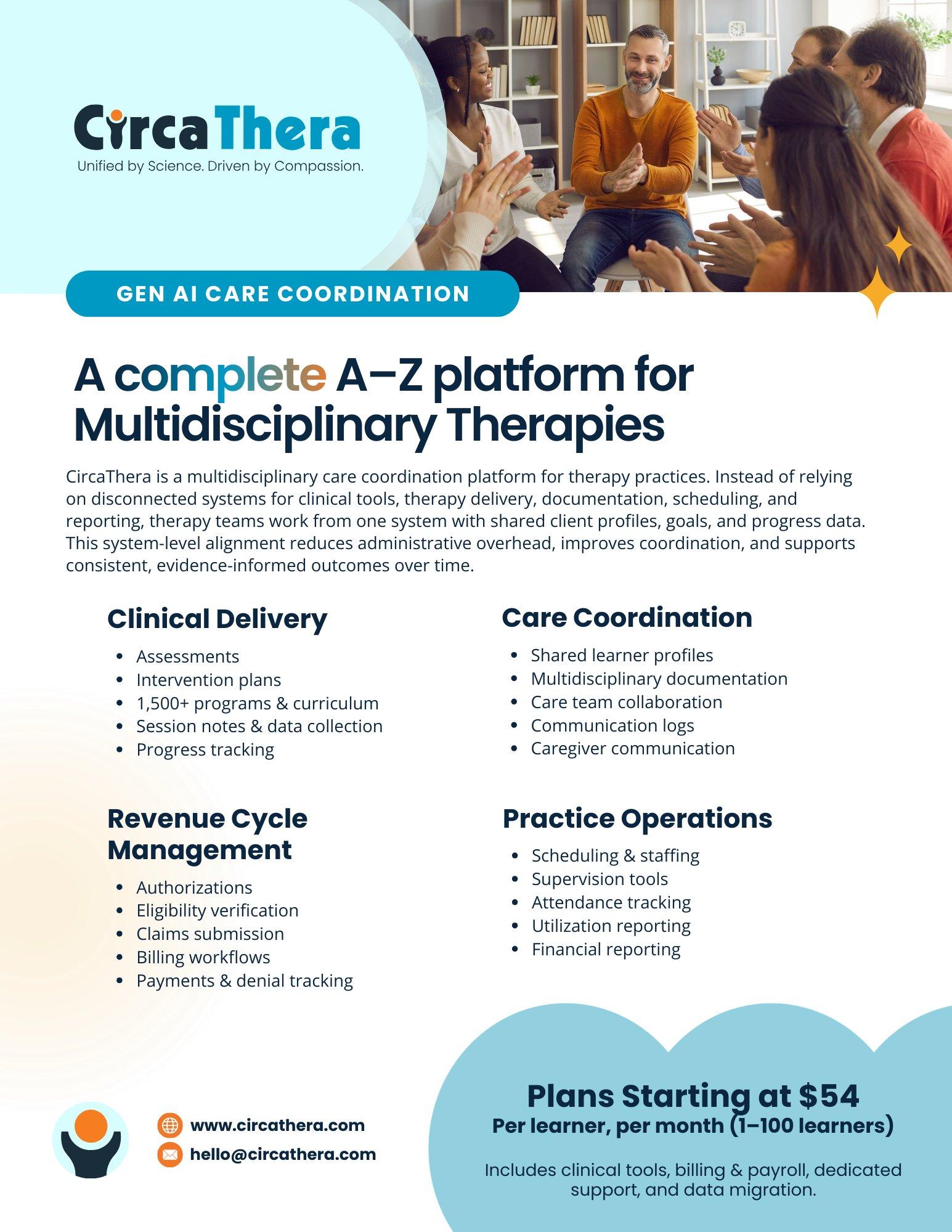
The company’s trajectory has attracted serious institutional validation. CircaThera has built its AI engineering through the Amazon Web Services (AWS) Accelerator, supporting the development of its Circle of Care initiative—a framework envisioning fully integrated, multidisciplinary autism services on a single platform that connects behavioral health, special education, and allied therapies. CircaThera has also been selected into NVIDIA’s program, gaining access to cutting-edge AI resources to accelerate product innovation and scale. For a platform that started as one BCBA’s attempt to share her own curriculum, those partnerships mark a significant inflection point.
On the Conference Floor and Behind the Mic
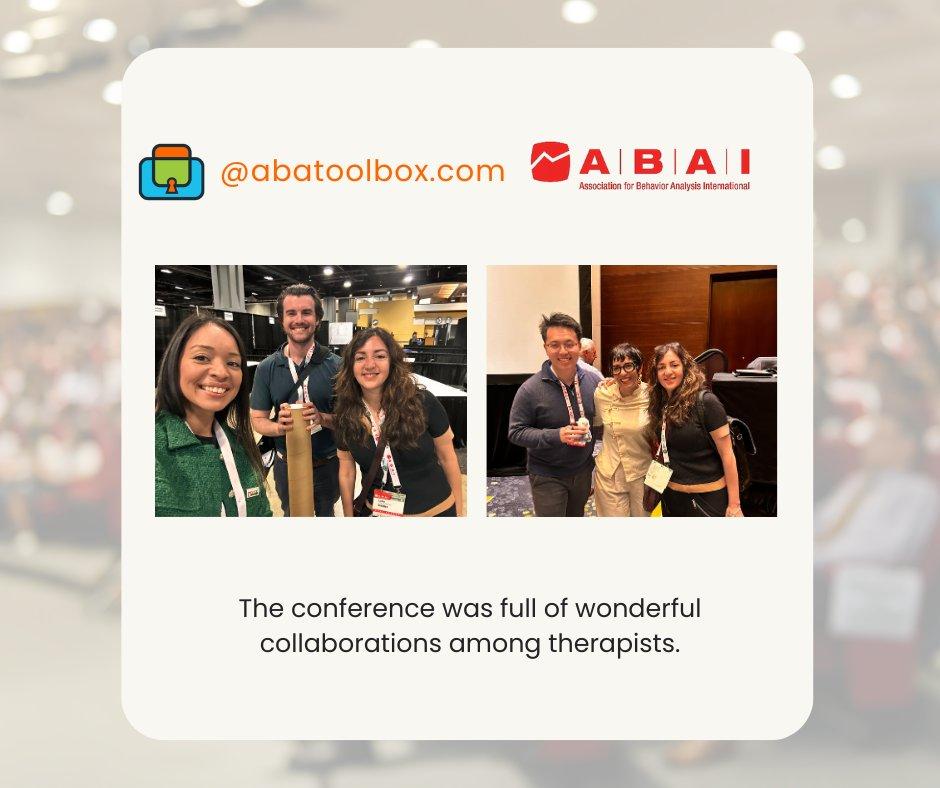
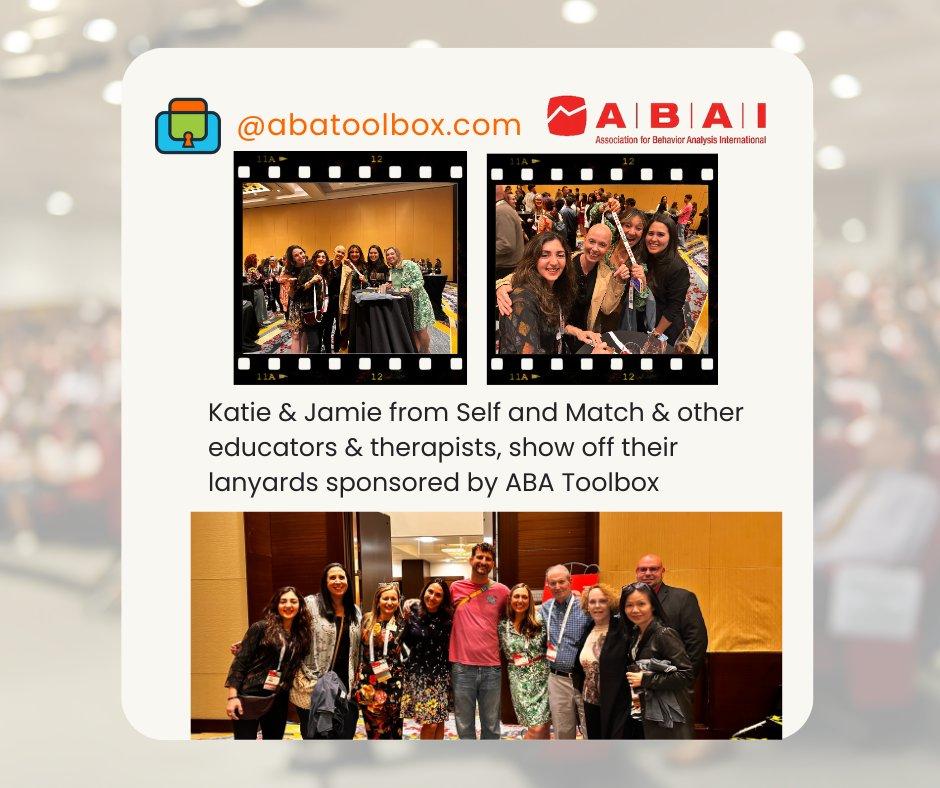
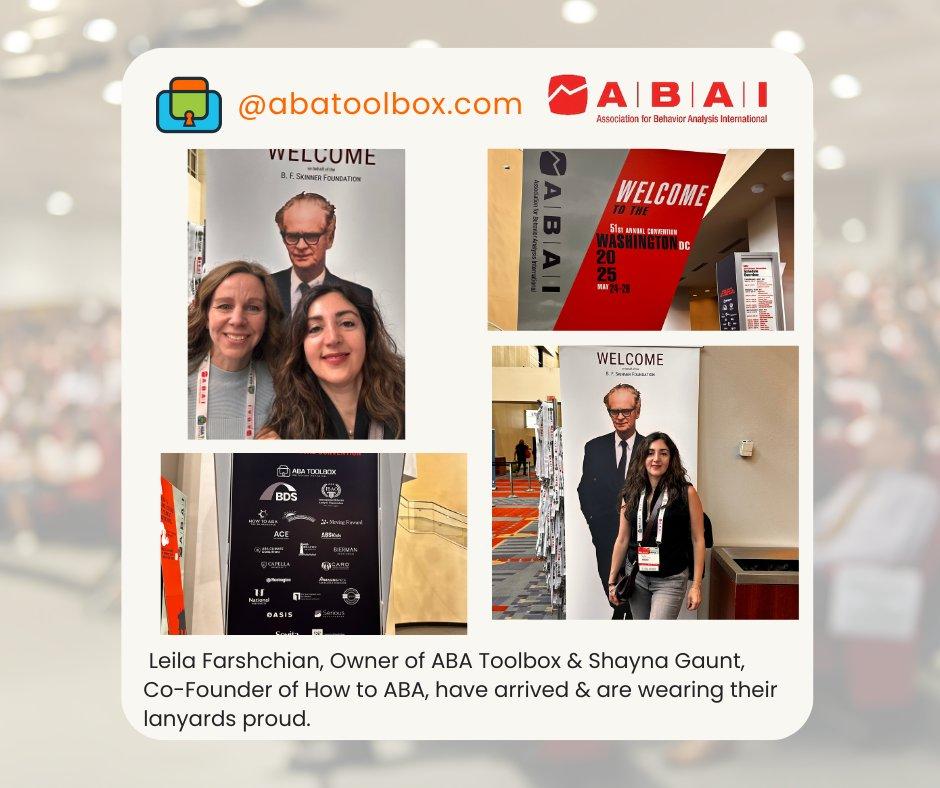
Farshchian has become one of the more visible voices in the ABA technology conversation. She presented at ABAI’s 2025 conference in Washington, D.C. and maintained a virtual booth for CircaThera, positioning the platform alongside the industry’s largest players. She’s also emerged as a frequent podcast guest, bringing a practitioner’s credibility to discussions about technology, clinical operations, and education policy.
Her podcast range is notable. On the Co-Parenting Podcast with Dr. J, she recorded a two-part series on emotional regulation—arguing it matters more than most parents and professionals think. On Autism Rocks and Rolls, she explored the intersection of education, technology, and social impact. Inside the Aspergers Studio featured her discussing early communication milestones and what happens when children speak first. On Around the Spectrum, she tackled the IEP process head-on, breaking down what schools are actually responsible for under the law.
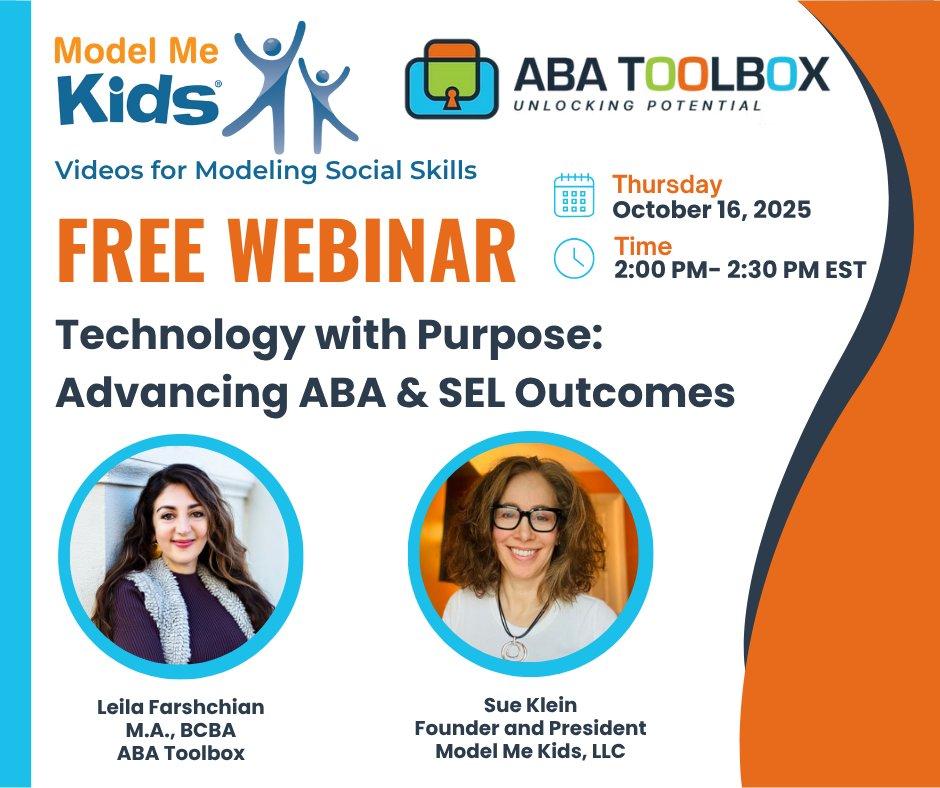
She’s also appeared on ABA Speech (Episode 232), where host Rose Griffin highlighted how Farshchian’s story demonstrates that “real progress often starts with individuals who take action.” On the Independent Behavior Analyst in Business podcast, she discussed value-based care models, the role of automation in reducing clinician burnout, and practical strategies for leveraging collaboration to improve treatment outcomes.
The breadth of her podcast topics reflects something intentional: Farshchian isn’t just selling software. She’s building a public case for a more integrated, technology-enabled approach to ABA—one conversation at a time.
Digital Equity and the Global SchoolHouse Project
If CircaThera represents Farshchian’s answer to the operational challenges inside ABA practices, the Global SchoolHouse Project represents something more personal. The nonprofit, which she founded in 2020, is focused on closing the digital divide in underserved communities. Its work has included digitizing four schools and supporting the development of two schools in Antananarivo, Madagascar—helping advance the Garden of Success school from bamboo huts toward permanent infrastructure and dedicated learning space. Digital equity work in South Africa has centered on technology access and implementation, bringing devices and training into classrooms where both are scarce.
If CircaThera represents Farshchian’s answer to the operational challenges inside ABA practices, the Global SchoolHouse Project represents something more personal. The nonprofit, which she founded in 2020, is focused on closing the digital divide in underserved communities. Its work has included digitizing four schools and supporting the development of two schools in Antananarivo, Madagascar—helping advance the Garden of Success school from bamboo huts toward permanent infrastructure and dedicated learning space. Digital equity work in South Africa has centered on technology access and implementation, bringing devices and training into classrooms where both are scarce.
Farshchian doesn’t treat it as a passive donation model. She works directly with teachers and students to train them on effective technology use, identifying the systemic barriers that limit access—the same instinct that drives her ABA work. Find the gap between what people need and what the system delivers, then build the infrastructure to close it. The work aligns with broader UN and UNICEF digital education initiatives aimed at ensuring that technology access isn’t determined by geography or income.
She also serves on the board of the International Health Awareness Network and has partnered with Autism Today, the organization led by Karen Leigh Simmons, on a global awareness initiative. Beyond the ABA space, she co-founded FarshchianART and serves as president of the FarshchianART Foundation, which preserves and catalogs a major collection of works by Master Mahmoud Farshchian—an internationally renowned artist who dedicated his works to those imbued with the spirit of compassion, reflecting themes of peace, human dignity, and freedom.
The Circle of Care and What Comes Next
CircaThera’s Circle of Care initiative represents the fullest expression of Farshchian’s vision: a single platform that doesn’t just manage ABA operations, but connects behavioral health, special education, and allied therapies into one integrated ecosystem. If the data, the curriculum, the billing, and the analytics all live in one place, then the clinician can stop wrestling with fragmented software and start focusing entirely on the child. That’s the bet—and with the AWS Accelerator and NVIDIA behind it, it’s a bet the market is starting to take seriously.
CircaThera also serves as the exclusive technology partner powering the Autism Today Autism Directory—a global community resource designed to strengthen the broader autism ecosystem. While CircaThera provides the clinical infrastructure for multidisciplinary providers and care teams, the Autism Directory supports the community side of that ecosystem: helping families identify trusted services, enabling professionals to connect with one another, and creating space for individuals with autism to share their gifts and contributions, from artists and creatives to educators, advocates, and podcasters. Together, the Directory and CircaThera form a cohesive initiative—connecting communities to resources while equipping providers with science-backed technology to coordinate care and deliver better outcomes.
The Autism Today partnership signals an ambition beyond the traditional ABA clinic model. And the podcast circuit—covering everything from emotional regulation to IEP law to value-based care—suggests Farshchian is building the kind of broad-based thought leadership that turns a software company into a platform for industry change.
When asked what she wants people to understand most about ABA, Farshchian’s answer is characteristically expansive. “ABA will foster maximum potential while considering and respecting the individual’s pace,” she says. “The science is rich and limitless in its contributions to the education of gifted and neurotypical populations, the treatment of individuals with disabilities, corporate management, and more.”
That’s an unusual claim for a field that most people associate strictly with autism therapy. But Farshchian has spent 25 years proving that ABA’s applications are broader than the industry’s own marketing—and she’s now building the technology to demonstrate it at scale. When your career starts with a childhood friendship that taught you what belonging really looks like, and builds toward an AWS-backed platform serving schools and clinics across the country, the throughline isn’t luck. It’s the same instinct, applied with more leverage.[divider line_type=”Full Width Line” line_thickness=”1″ divider_color=”default”]CircaThera
Website: circathera.com
Platform: app.circathera.com
Learners’ Compass: learnerscompass.com
Global SchoolHouse Project: global-schoolhouse.org
Farshchian Art Foundation: farshchianart.com
LinkedIn (Leila): linkedin.com/in/leila-farshchian-33974335
LinkedIn (CircaThera): linkedin.com/company/aba-toolbox
CASP Spotlight: casproviders.org/news/member-spotlight-leila-farshchian
Podcast Appearances
Co-Parenting Podcast (Dr. J): Emotional Regulation Matters More Than You Think (2 parts) Autism Rocks and Rolls: Education, Technology & Social Impact
Inside the Aspergers Studio: When Children Speak First
Around the Spectrum: Inside the IEP: What Schools Are Responsible For
ABA Speech (Ep. 232): Streamlining Technology and Therapy
Independent BCBA in Business: Value-Based Care & Technology
Partnerships & Recognition
AWS: AWS Accelerator: AI engineering support & Circle of Care development NVIDIA: Selected into program for AI resources & product innovation
Autism Today: Partnership with Karen Leigh Simmons CASP: Member — Learners’ Compass
ABAI 2025: Conference presenter & virtual booth NJ Board of Education: Top 3 autism program in state (2007)