



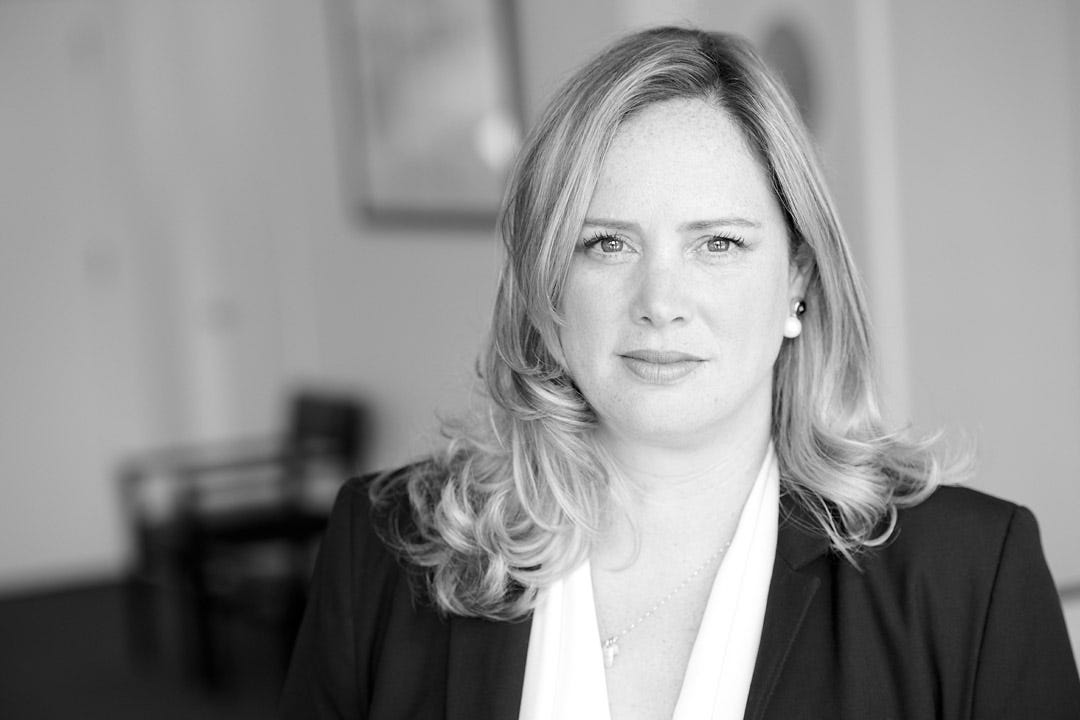
OMAHA, NEBRASKA – On July 1, 2026, a new set of Nebraska Medicaid service definitions took effect that cap the therapy hours a child can receive, pull independent providers out of school-based billing, and tighten supervision. For Themis Gomes, whose Omaha and Lincoln clinics serve clients that require more than 20 hours of therapy a week, the new rules are the latest in a run of changes she says is testing whether local providers can survive at all.
The changes arrived a year after Nebraska halved the rate on its primary one-to-one ABA code with less than a month’s notice, and they landed on companies still absorbing that blow. Gomes runs a Nebraska institution that kept its doors open through the 2025 cut. In a state where 32 counties had nobody delivering behavioral health care, she says the companies rooted in their communities are absorbing the worst of what has followed.
An Engineer Runs an Omaha Institution
Themis Gomes is not a BCBA, and she did not come up through clinical work. She is a mechanical and aerospace engineer from Brazil who spent about 10 years in the aerospace industry, lived in 7 countries, started a company in the United Kingdom while working at Airbus, and went to business school. Startup ventures in Chile and the United States followed. In 2018, she moved to the Boston area. She found Behaven Kids in Nebraska in 2019, lost the deal to another buyer, watched that sale collapse amid COVID, and acquired the organization in March 2022.
The reason was personal. Her brother-in-law, about her age, is severely impacted by autism, and her mother-in-law created the largest autism association in Latin America. “It just became very serendipitous,” she said, “and here I am.”
The company she bought has been part of Omaha for 25 years. Behaven Kids was founded in November 2000 as a specialized day program for early behavioral intervention, a spin-off of the Boys Town model, and added ABA in 2016 when insurance began covering it, Gomes said. Today, it has about 100 employees and serves roughly 150 children across its programs in Omaha, La Vista, and Lincoln, with about 95% of its team based in Nebraska. Lani Fritts, the founder and former CEO of Trumpet Behavioral Health and Kadiant and a Council of Autism Service Providers (CASP) board member, joined its board in November 2022.
“I think the fact that I am not a clinician and came into the field is definitely good in terms of different perspectives, because we’ve been able to implement systems and processes,” Gomes said.
What Changed on July 1, 2026
The service definitions that took effect on July 1 reach well beyond a single number. Under Provider Bulletin 26-06, independent providers can no longer bill Medicaid directly for ABA delivered at a school. That therapy is now the school’s responsibility under Nebraska Administrative Code and the Medicaid State Plan. The number of weekly therapy hours a child can receive also dropped from 30 to 20, as BreakingNewsABA reported this month.
Supervision tightened at the same time. RBTs must now be supervised in person for at least one hour per month, the telehealth treating licensed behavior analyst or psychologist must provide at least one hour of in-person treatment per month; and treatment plans must be signed by the clinicians involved in their assessment and development. The definitions also set a 10% weekly supervision requirement for RBTs.
The newest service definitions were issued about three weeks before they took effect. “When you’re small, and you don’t really have that big of a centralized admin team, how the heck do you deal with that?” Gomes said.
What the New Rules Mean for Behaven Kids
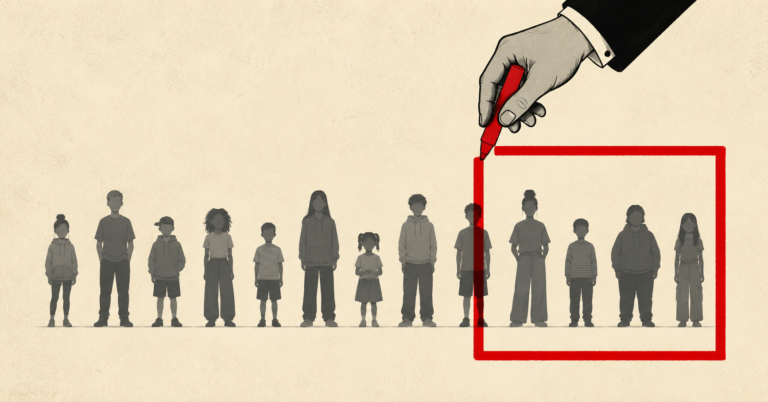
For Behaven Kids, the new threshold is not a rounding error. At the clinic, the average hours per child is 18-20 hours per week. Yet, 54% of the children served need more than 20 hours of services per week, which means more than half of its caseload now requires additional hoops for authorization of medically necessary services to maintain care at its current level, that may still be capped at 20 hours per week. Gomes has described a very challenging year and said the clinic is doing everything within its capacity to maintain access to care for the children it serves in Nebraska.
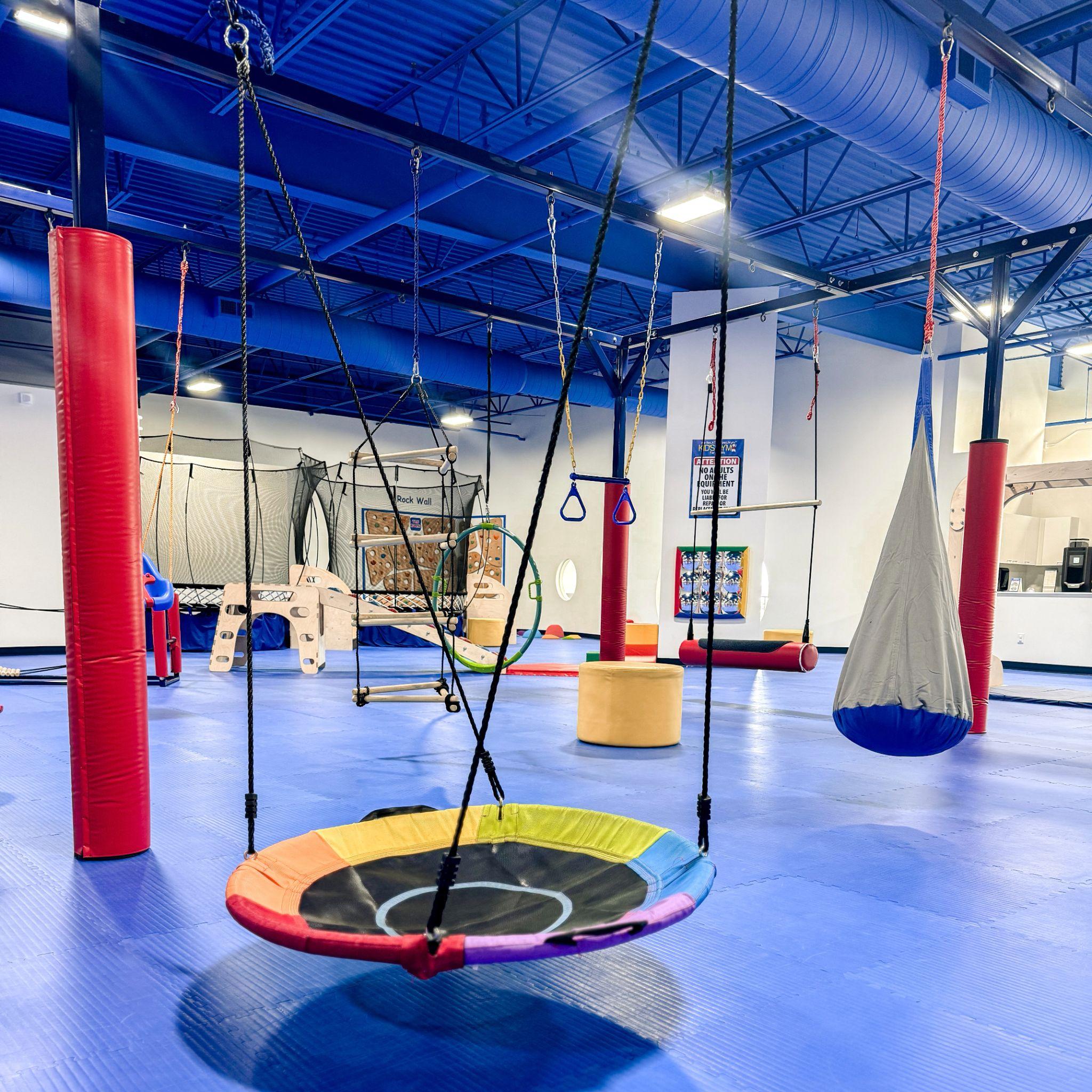
For some families, Behaven Kids’ oldest program has become the backstop. Its specialized day program is licensed for childcare, which allows the company to continue working with children whose ABA hours are not authorized. “If you’re not approved for ABA, we’ll get you into our specialized program where recommended,” Gomes said, and more families have been reaching out because of it, though the program’s margins are thin. The company had debated discontinuing the specialized program at one point. “In retrospect, thank God we’ve kept it.”
The 20-hour threshold is one line in a longer run of changes. Nebraska issued a regulatory change in January 2025, the rate cuts in August 2025, and draft regulations in December 2025 before the service definitions arrived in July 2026. Small local providers cannot restructure the way multi-state platforms can, Gomes argues, and the regulatory load keeps arriving.
“You can’t punish the providers, especially the local ones who have always been ethically servicing this community.” – Themis Gomes, CEO, Behaven Kids (2026)
DHHS frames the changes as protection rather than rollback. By the department’s own tracking, Nebraska Medicaid spending on ABA has grown by more than 2,000% since 2020, growth it says no state or federal program can sustain without putting future access to services at risk.
Where the Policies Land Outside Omaha
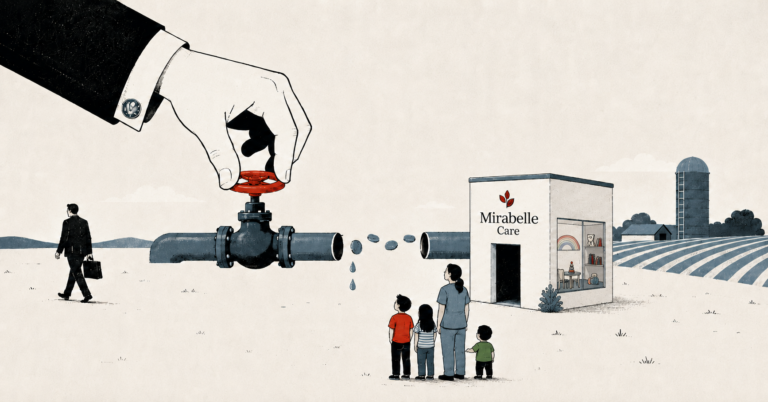
Gomes’s warning is less about her company than about the map. “At the end of the day, the small local providers are the unintended victims of everything that’s happening,” she said. “Everything that we’re generating goes back to the community.”
Nebraska’s provider map was thin before the cuts and is only expected to get worse with the new policies. Market data compiled by Behaven Kids in 2020 counted only 8 other sizeable centers offering ABA in the state, mainly in Omaha and Lincoln. They estimated that, at full capacity, they would collectively meet about 10% of yearly demand. If all 161 BCBAs registered in Nebraska had dedicated every hour to ABA, the state would still have met only 43% of the demand. Provider shortages ran through 88 of Nebraska’s 93 counties, and 32 counties had no behavioral health providers at all.
The workforce has grown since then to 356 BCBAs by 2024, and Gomes estimates that providers now meet 30 to 40% of the state’s demand, up from under 10% when she first studied the market in 2019. That progress is what she believes the cuts put at risk. A state with a thin bench has little margin for exits: when Above and Beyond Therapy, the largest single ABA biller to Nebraska Medicaid, announced in late September 2025 that it was leaving the program, it reversed course a week later.
“Children with autism cannot afford a system that mistakes ethical providers for the problem.” – Themis Gomes, in an op-ed provided to BreakingNewsABA.
Her op-ed puts the endpoint plainly: “The result is fewer providers, fewer choices, longer waitlists, and reduced access for families.”
The Fixes Gomes Wants
Gomes’s list starts with process. Regulators should bring CASP and the state’s ABA associations into the room, she said. On rate setting, she wants the analysis done properly: “Actuarial analysis on the rates, period.” Her larger pitch is to move away from fee-for-service reimbursement entirely. “The fee-for-service model is nefarious,” she said, arguing that it leaves payers with no incentive to authorize the hours a child needs and that hour caps do not support families either. She wants Nebraska’s managed care organizations to test value-based arrangements, with CASP helping standardize them.
The new service definitions are now in effect, and the year has not gotten cheaper. “It’s still been very costly for us this year,” Gomes said. What she keeps returning to is the distinction she wants the state to draw. “There is money involved, but it shouldn’t be just about money,” she said. “How do we effectively take care of our people in a cost-effective way in which we’re not punishing the people that are doing it right? I think that’s the core of it.”
AT A GLANCE
| Themis Gomes: | CEO, Behaven Kids; acquired the company March 2022; former aerospace engineer (interview; company website) |
| Behaven Kids: | Founded November 2000 in Omaha; about 100 employees; roughly 150 children served; about 95% of staff Nebraska-based (interview; company website) |
| New rules (July 1, 2026): | Service definitions with weekly hour caps and RBT supervision minimums; school-based billing removed for independent providers (interview; DHHS Provider Bulletin 26-06) |
| Prior-authorization threshold: | Dropped from 30 to 20 weekly hours, effective July 1, 2026 (DHHS Provider Bulletin 26-06) |
| Impact at Behaven Kids: | 54% of children served need more than 20 hours per week, so most of the caseload now requires prior authorization, 18-20 hours per child service. (interview) |
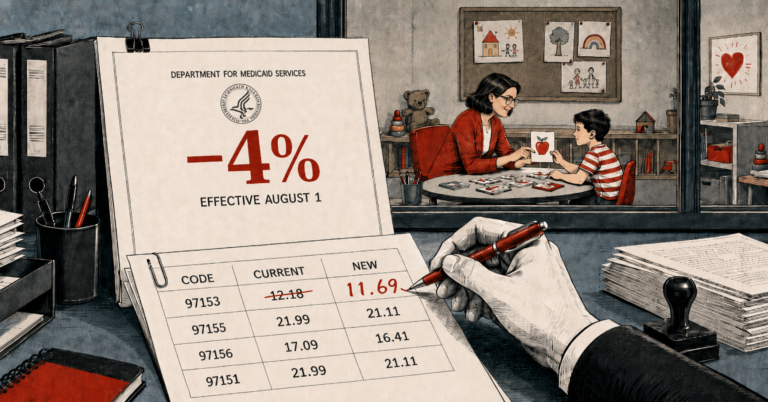
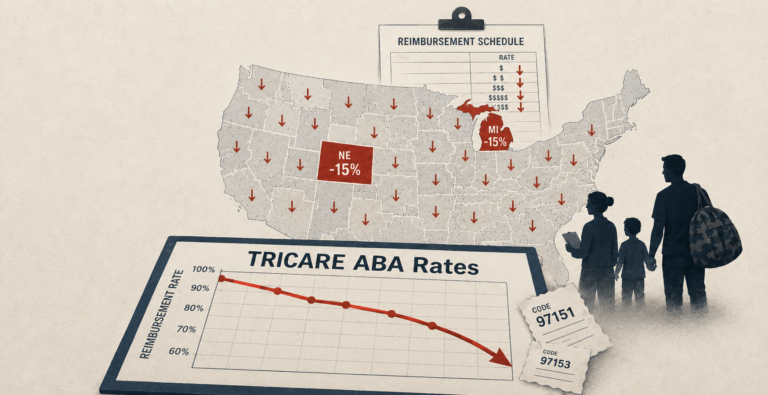
| The 2025 rate cut: | CPT 97153 fell from $36.11 to $18.70 per 15-minute unit, down 48%, effective August 1, 2025 (Nebraska DHHS, per prior BreakingNewsABA reporting) |
| Notice period: | 31 days; “just 20 business days,” per Gomes’s op-ed |
| Behaven Kids’ cost: | $32.10 all-in per RBT unit vs. the $18.70 rate (company analysis, 2025) |
| Regional context: | Nebraska pairs an $18.70 rate with a $15 minimum wage and 56-hour sick leave mandate; Kansas pays $16.25 against a $7.25 minimum wage (Gomes presentation) |
| Rural access: | Provider shortages in 88 of 93 Nebraska counties; 32 counties with no behavioral health providers (Behaven Kids market data, 2020) |
| Statewide capacity: | Estimated 30 to 40% of ABA demand met today, up from under estimated 10% in 2019 (interview) |
| NE ABA Medicaid spending: | $4.6 million (2020) to $85.6 million (2024); DHHS cites 2,000%+ growth since 2020 (Nebraska DHHS, per prior BreakingNewsABA reporting) |
SOURCES & REFERENCES
| 1. | Themis Gomes. Interview with BreakingNewsABA. July 2026. Recording on file. |
| 2. | Themis Gomes. “The Unintended Victims of Nebraska’s Autism Policy Are the Providers Doing It Right.” Op-ed provided to BreakingNewsABA. 2026. |
| 3. | Behaven Kids presentation materials provided to BreakingNewsABA: rate and cost analysis, regional comparison table, and 2020 Nebraska market data. |
| 4. | Behaven Kids. “Our Story.” behavenkids.com/our-story/. Accessed July 2026. |
| 5. | BreakingNewsABA. “Nebraska Cut ABA Rates by Up to 79%. Here’s What Happened Next – and What It Means for the Rest of the Country.” March 12, 2026. |
| 6. | EIN Presswire. “Former Kadiant CEO and Council of Autism Service Providers Board Member Lani Fritts Joins Behaven Kids Board.” November 2022. |
| 7. | Nebraska Department of Health and Human Services. Provider Bulletin 26-06 and updated ABA service definitions, effective July 1, 2026. June 2026. |
| 8. | BreakingNewsABA. “Nebraska Cuts ABA Prior Authorization Threshold to 20 Hours.” July 14, 2026. breakingnewsaba.com/policy/nebraska-cuts-aba-prior-authorization-threshold |

Join the discussion ▾