
The Gap Between the Clinic and the Classroom
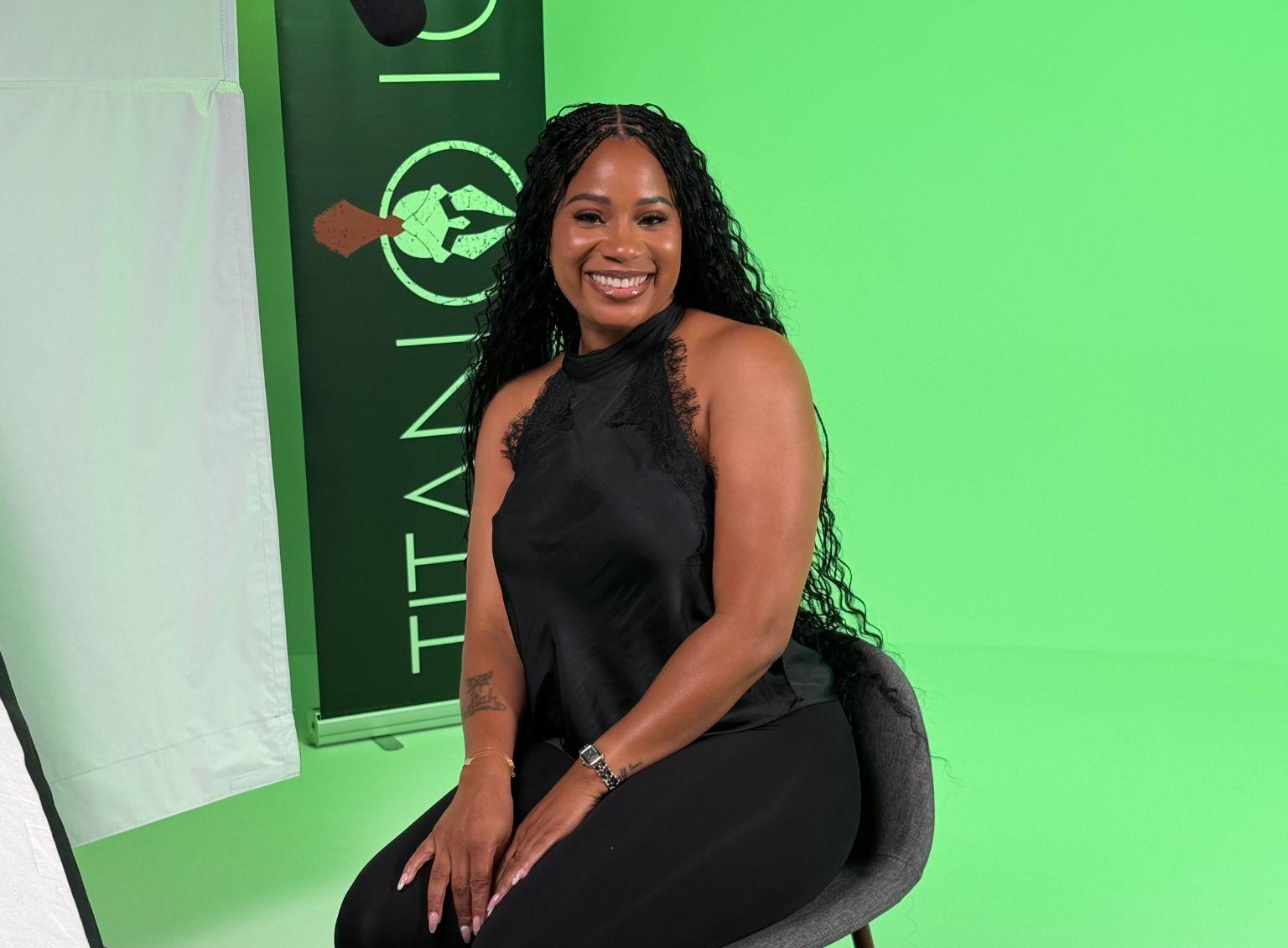
PHILADELPHIA, PENNSYLVANIA – Khaliah Moody currently visits a Head Start program each week to coach staff through behavioral challenges as they happen. Now, she is trying to bring that same model into Philadelphia schools.
Moody, M.S., BCBA, LBS, is the founder and CEO of Steady Strides Behavior Solutions, a Philadelphia-based behavioral health agency that has been operating for about 4 years. ABA therapy remains its core business; however, Moody has expanded the company into training and consultation for daycares, Head Start programs, and educational facilities.
The expansion is built around a problem she sees when children leave a clinical setting and enter a classroom. The people working with them throughout the school day may not understand the student’s IEP, crisis plan, safety plan, behavioral goals, or the function and topography of the behavior they are expected to manage.
“You have so many people that are interacting with the children daily who have no training. And I’m not saying you need to get a master’s in ABA. I’m not saying that. But they do need some kind of formal training, and they just don’t have it,” Moody said.
Asked which behaviors schools tend to miss or dismiss, Moody’s answer was direct: “All of them.”
Steady Strides is working to turn that handoff into a business opportunity.
“What I’m trying to do is bridge that gap.” – Khaliah Moody, CEO (2026)
What Steady Strides Is Offering
The company’s active Head Start contract provides the clearest example of the model. Moody goes into the program weekly and gives staff live feedback on how they respond to behavior, including how they phrase instructions and when they should change their approach.
For Philadelphia schools, the work remains a pitch rather than a signed program. Moody has developed a problem-and-solution package for principals and superintendents, with training tiers tailored to a school’s staff needs.
Moody is proposing three delivery models.
The first would use the mandatory training week held by Philadelphia schools before students return. She wants Steady Strides to run hands-on sessions that include role-play and a short quiz to help staff retain the material.
The second would use professional development days throughout the school year. Moody said the training teachers typically receive during those days often has little connection to behavior or the students her field supports. She wants schools to bring in someone with a behavioral lens to lead those sessions, though she is clear that the trainer need not be a BCBA.
The third model would bring live coaching into classrooms, following the approach already used through the Head Start contract. Staff would receive real-time feedback on their wording and responses, as well as opportunities to use natural-environment teaching.
Steady Strides also offers takeaway materials, including behavior support sheets, de-escalation reminders, reinforcement ideas, and visual supports.
Moody pitches the training around stronger classroom consistency, better-prepared staff, calmer classrooms, and reduced escalation.
She also argues that districts could reduce costly out-of-school placements by better preparing the adults working with students. The cost claim is part of Moody’s case to districts, not an independently established outcome of the Steady Strides model.
Changing the Adult Response
Moody’s clinical argument begins with the way adults interpret children’s behavior.
“How they would parent their child is how they approach the student,” she said.
That approach can lead staff to treat behavior as defiance before considering the student’s disability, skills, environment, or support plan. Moody wants classroom teams to begin from a different assumption.
“We don’t call kids bad. We have to always consider the disability. Disability comes before anything,” she said.
She believes staff should know how to read an IEP, recognize the individual topography of a student’s behavior, and respond appropriately when a crisis plan or safety plan is activated.
“They don’t understand ABA, but they don’t even understand behavior as a whole. If you can’t identify the topography and function of the behavior, you’re lost already,” Moody said.
Her recommendations can also be practical. Staff should use a neutral voice instead of yelling. Paraprofessionals, she said, should see their role as teaching and modeling rather than disciplining.
“You are not a disciplinarian. You are there to model.” – Khaliah Moody
Moody also questions the rigidity children encounter when they move from play-based early intervention or center-based care into school. If standing helps a child learn, she said, the classroom should allow standing. If an activity is not working, staff should be prepared to adjust it in the moment.
“Let go of the control. However learning has to take place, it’s got to take place. If we’ve got to all stand up because that works, we stand up,” she said.
Experience at Every Level
Before becoming a BCBA, Moody worked as an RBT while holding a master’s degree. She also worked as a mobile therapist, a PCA providing one-on-one support, and in lead roles.
“I have to explain to people that I was an RBT with a master’s degree, because I still wanted that experience. I’ve actually worked in every single position in this field,” she said.
She has approached the operational side with the same willingness to learn.
“I don’t have an MBA, so I had to go to business classes so I could learn all of the business aspects of my business. Until you’re in it, you don’t get it,” she said.
Steady Strides is in-network with Community Behavioral Health, Philadelphia’s Medicaid behavioral health managed care entity. The company is also accredited by the Better Business Bureau with an A+ rating and is certified by the Women’s Business Enterprise National Council. Moody was named a 2026 Philadelphia Titan 100 honoree.
AT A GLANCE
| Founder and CEO: | Khaliah Moody, M.S., BCBA, LBS |
| Company: | Steady Strides Behavior Solutions |
| Location: | Philadelphia, Pennsylvania |
| Time in operation: | About four years, according to Moody |
| Core business: | ABA therapy |
| Expansion area: | Training and consultation for daycares, Head Start programs, and educational facilities |
| Active education contract: | Weekly live coaching for staff at a Head Start program |
| Proposed school models: | Pre-year training week, professional development sessions, and live classroom coaching |
| Training topics: | Neurodivergent students, supportive approaches to behavior, IEP goals, positive interventions, classroom strategies, and executive function |
| District status: | Steady Strides is pitching Philadelphia schools; no district program identified in this article is signed |
| Network status: | In-network with Philadelphia Community Behavioral Health |
| Business credentials: | BBB accredited with an A+ rating, WBENC-certified, and a 2026 Philadelphia Titan 100 honoree |
SOURCES & REFERENCES
| 1. | Author interview with Khaliah Moody. July 29, 2026. |
| 2. | Steady Strides Behavior Solutions. “About Us.” ssbehaviorsolutions.com. |
| 3. | Community Behavioral Health. Provider Directory. cbhphilly.org. |
| 4. | National Plan and Provider Enumeration System. NPI 1356940373. |
| 5. | Titan 100. “2026 Philadelphia Honorees.” philadelphia.thetitan100.com. |
| 6. | Better Business Bureau. Business Profile, Steady Strides Behavior Solutions Inc. |








Join the discussion ▾