The Argument
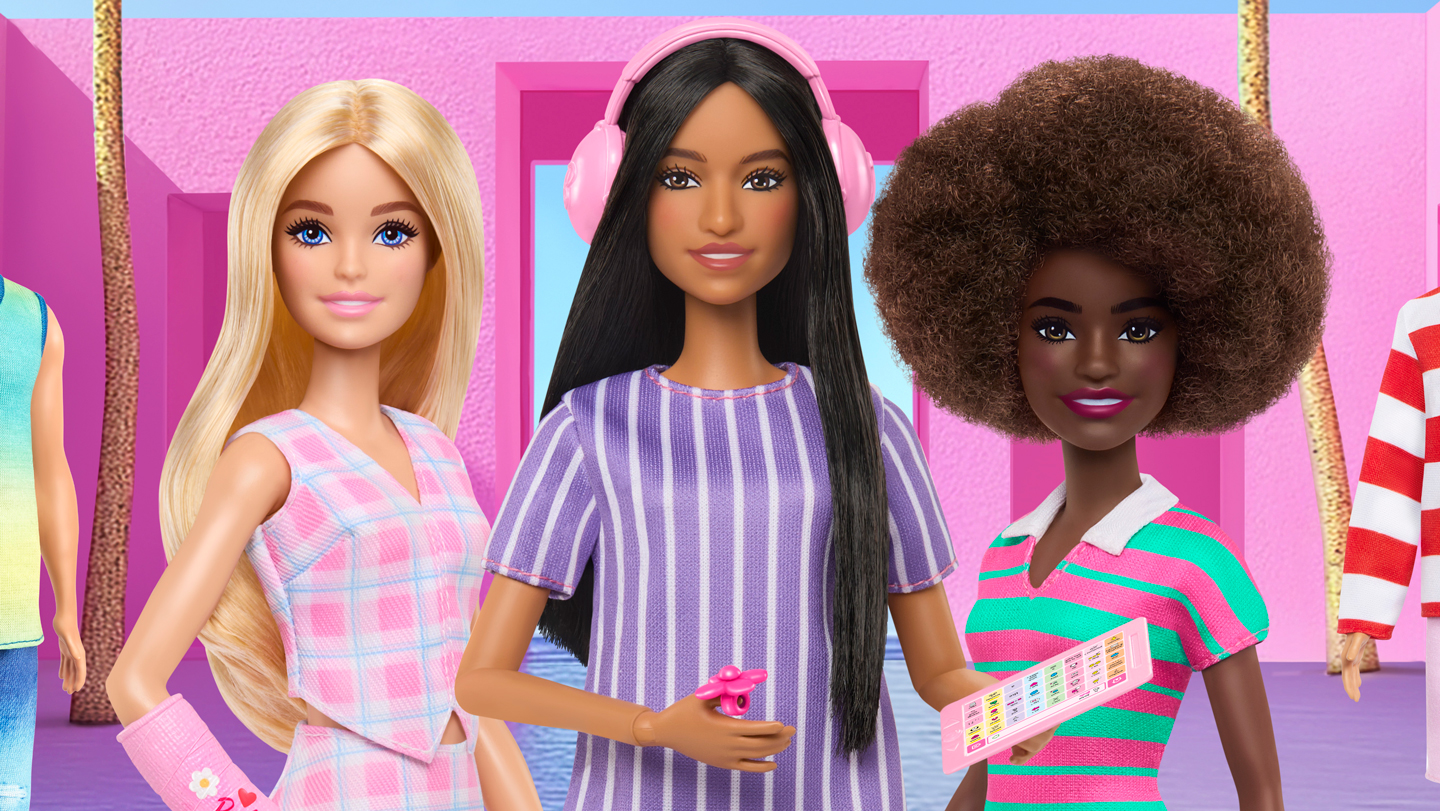
The Science News article argues that authentic narratives, such as the new Autistic Barbie doll, possess significant power to counteract pervasive misinformation surrounding autism spectrum disorder. Mattel’s new Autistic Barbie, designed with input from autistic individuals, features a loose purple dress, headphones, averted eyes, a communication tablet, and a fidget spinner. These elements represent diverse autistic experiences, inviting both children and adults to see themselves reflected in an iconic toy. While stories can entertain and shape perceptions, the author contends they can also inflict damage by fostering harmful stereotypes and false narratives.
The piece highlights several instances where senior U.S. government officials have propagated a “darker story” about autism, distorting scientific evidence to fit their agendas. For example, despite a CDC report in April estimating that approximately 1 in 31 children in the U.S. receive an autism diagnosis by age eight—a significant increase from 1 in 150 in 2000, largely attributed to enhanced awareness and diagnostic criteria—U.S. Secretary for Health and Human Services Robert F. Kennedy Jr. presented these figures differently. He characterized the rising rates as an “alarming epidemic” that “tears families apart,” employing dehumanizing language such as, “These are kids who will never pay taxes, never hold a job, never play baseball. They’ll never write a poem, never go out on a date. Many of them will never use a toilet unassisted.” The author argues that such rhetoric reduces the rich and varied experiences of autistic individuals to a negative stereotype, exploiting their needs to evoke pity and fear, and insidiously suggesting that a person’s value is contingent upon their societal contributions. Noor Pervez, a community engagement manager at the Autistic Self Advocacy Network, is quoted, stating, “Pity and dehumanization are very closely linked,” and emphasizing that “Seeing autistic people’s lives as something to be afraid of ignores the root of what makes being autistic difficult for a lot of people — which is ableism.”
Further examples of misinformation cited include claims made by Kennedy and President Donald Trump in September, asserting—without scientific backing—that acetaminophen causes autism and that the drug leucovorin can treat it. The article refutes these claims, noting that a careful assessment of existing data, published in The Lancet: Obstetrics, Gynaecology & Women’s Health, found no association between maternal acetaminophen use during pregnancy and autism. While small studies exist regarding leucovorin (a form of folinic acid) and its potential to boost brain folinic acid levels in some autistic individuals, the evidence for it as an autism treatment remains scant, lacking larger, well-designed studies. Trump’s pronouncements, such as, “We’re going to save a lot of children from a tough life, a really tough life,” and “We’re going to save a lot of parents from a tough life,” are presented as emotionally charged statements lacking scientific basis. The article also points to the persistent, scientifically debunked link between vaccines and autism, noting a concerning change on the official CDC webpage on November 20, which stated, “The claim, ‘vaccines do not cause autism’ is not an evidence-based claim…” These false narratives collectively foster the idea that parental choices, such as taking Tylenol or vaccinating children, lead to a “tragedy.” Alison Singer, cofounder and president of the Autism Science Foundation, is quoted highlighting the profound stigmatization caused by the vaccine-autism myth, asserting it “frames autism as being caused by parental action as if autism is a preventable injury… It positions autistic people as victims of damage, which undermines the dignity of our children. It implies that autistic lives are less valuable.”
The Counter-View
The article implicitly presents the “counter-view” through the actions and statements of the government officials it critiques. These figures, including Robert F. Kennedy Jr. and former President Donald Trump, appear to leverage public platforms to disseminate narratives that, while lacking scientific substantiation, resonate with certain anxieties. Their approach often involves framing autism as a preventable catastrophe or a curable affliction, rather than a neurodevelopmental difference. This perspective, as reported, seems driven by a desire to identify external causes for autism and offer simplistic solutions, potentially appealing to parents seeking answers or a sense of control. By portraying rising diagnosis rates as an “epidemic” and linking autism to common medications or vaccines, they tap into fears about public health and parental responsibility. The rhetoric used, such as describing autistic lives as “tough” or implying a lack of societal contribution, serves to create a sense of urgency and alarm, which can then be used to promote unproven treatments or discredit established scientific consensus. This approach, while harmful, demonstrates a strategy of using emotional appeals and anecdotal evidence to override scientific data, particularly when addressing a complex condition like autism.
Impact on the Field
This opinion piece signals a critical juncture in the public discourse surrounding autism spectrum disorder, highlighting the ongoing battle between evidence-based understanding and pervasive misinformation. For the ABA field, this underscores the vital importance of clear, accurate, and compassionate communication. The prevalence of high-profile figures spreading scientifically unfounded claims about autism’s causes and treatments creates a challenging environment for BCBAs, RBTs, and clinic owners who are committed to providing ethical, evidence-based services. Such narratives can lead to parental distrust in established medical and therapeutic practices, divert resources towards unproven interventions, and exacerbate the stigma faced by autistic individuals and their families.
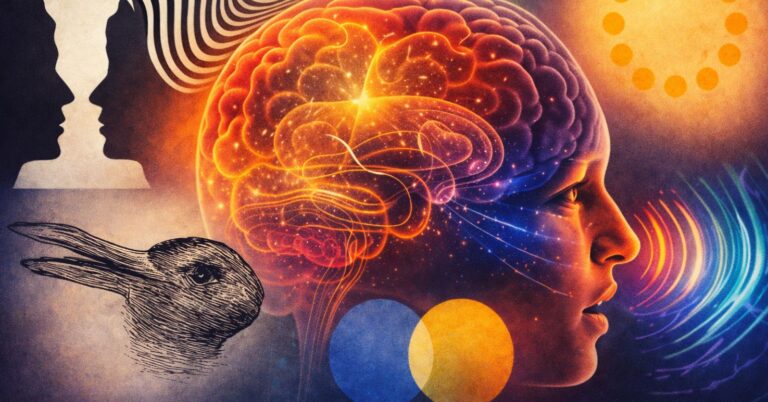
The article also points to a more hopeful framing, exemplified by discussions at the annual meeting of the Society for Neuroscience. Experts there highlighted rigorous research, including efforts to diagnose autism in often-overlooked populations like girls, adults, and people of color. Developmental psychologist Jed Elison emphasized the “great plasticity” of young brains, presenting early intervention as an “opportunity to help these kids get on the right track” by “getting the right supports to the right kids at the right time.” This perspective aligns with the core principles of ABA, which focuses on individualized, early, and intensive intervention to build skills and improve quality of life. UCLA behavioral child neurologist Shafali Jeste further articulated this positive outlook, acknowledging challenges but also emphasizing the “tremendous amount of joy” autistic children bring, teaching compassion and raising awareness about differences. This public discourse signals a need for the ABA community to actively engage in advocacy, education, and public relations efforts to counter harmful stereotypes and promote a neurodiversity-affirming understanding of autism. It calls for collective action to ensure that policy decisions and public perceptions are informed by science, not fear or political agendas.
Career Takeaway
For BCBAs and clinic owners, this article serves as a powerful reminder of their role as advocates for science and ethical practice in a landscape often clouded by misinformation. It is crucial to be well-versed in the scientific consensus regarding autism, its causes, and effective interventions, enabling professionals to confidently address parental concerns and debunk false claims. Clinic owners should consider developing clear communication strategies to educate families and the wider community about evidence-based ABA principles, emphasizing individualized support and skill development over “cures” or “prevention.” Furthermore, embracing neurodiversity-affirming language and practices, as exemplified by the Autistic Barbie, can help foster a more inclusive and less stigmatizing environment for clients and their families. Professionals should actively participate in public education, support organizations that promote accurate autism science, and advocate for policies that prioritize evidence-based care and protect individuals from harmful, unproven interventions.
Fast Facts
| Key Point | Why It Matters for ABA |
|---|---|
| Autism diagnosis rates: 1 in 31 kids by age 8 | Highlights increased awareness and diagnostic improvements, not necessarily a negative “epidemic.” |
| High-profile officials spread misinformation | Underscores the ongoing challenge for ABA professionals to combat false narratives from influential figures. |
| Autistic Barbie designed with autistic input | Represents a shift towards authentic representation and neurodiversity-affirming perspectives in mainstream culture. |
Expert Perspective
Stories hold immense power to shape public perception, making authentic representation and evidence-based narratives crucial in countering autism misinformation.
Source: sciencenews.org