The Practice/Tool
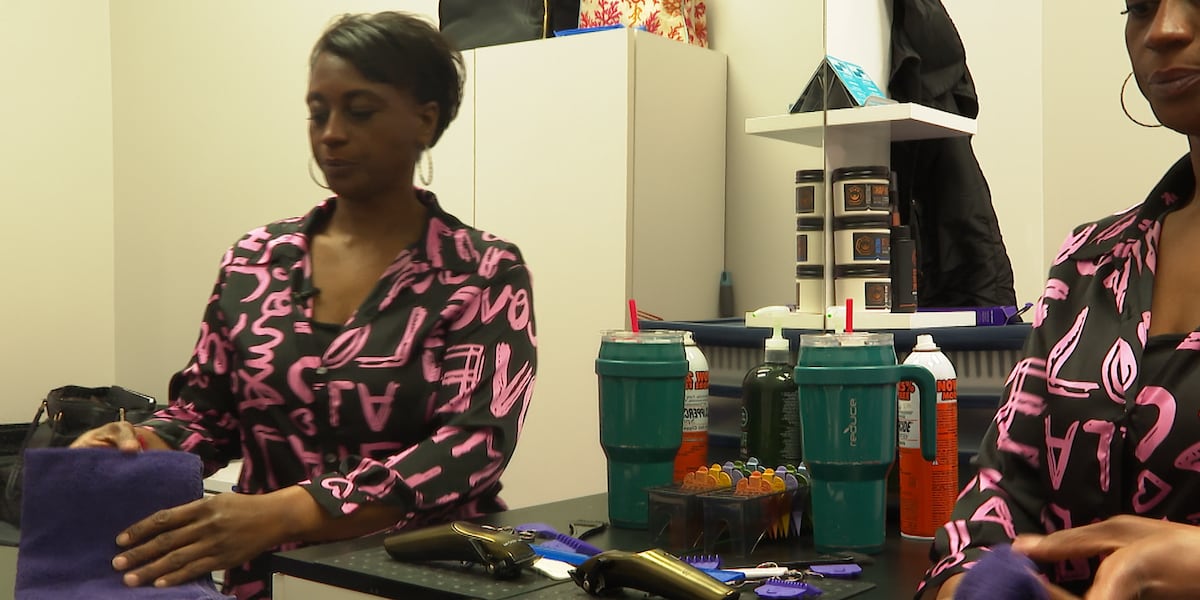
Joanay Turner, a professional hairstylist and Applied Behavior Analysis (ABA) therapist, has pioneered a one-on-one sensory-friendly salon in Omaha, Nebraska. Her innovative approach directly addresses the significant challenges many neurodivergent individuals, particularly children with autism spectrum disorder (ASD) and ADHD, experience during a typical haircut. Turner observed a recurring pattern of distress and sensory overload in her clients, often leading to what parents described as ‘meltdowns’ during salon visits. These experiences frequently resulted in feelings of shame and embarrassment for families, deterring them from seeking essential grooming services.
The core of Turner’s salon concept is to provide a controlled, comfortable environment where clients dictate the pace and sensory input. Traditional salon settings, with their bright overhead lights, constant music, and the buzzing sound of clippers, can be overwhelming. For individuals with sensory aversions, even minor stimuli like stray hairs on the face or clothing can trigger significant discomfort. Turner’s salon is designed to mitigate these stressors by offering a personalized experience that prioritizes the client’s sensory needs, integrating her expertise from both hairstyling and behavioral therapy.
Key Benefits
The primary benefit of Turner’s sensory-friendly salon is the creation of a low-stress environment for both children and their parents. By allowing clients to become comfortable with the surroundings and the service at their own pace, the salon aims to transform a potentially terrifying experience into a manageable, even pleasant, one. Specific accommodations include the ability to dim lights, adjust music volume, provide fidget toys, and incorporate frequent breaks as needed. A mandatory pre-appointment consultation ensures Turner understands each client’s unique sensory profile and preferences, enabling a truly individualized approach.
This model is increasingly vital given the significant rise in autism diagnoses. Dr. Alice Shillingsburg from the Munroe-Meyer Institute highlighted this trend, noting that advancements in understanding autism have broadened diagnostic criteria, naturally leading to more individuals meeting those criteria. In 2022, the diagnosis rate for children was one in 31, a stark contrast to two decades prior when it was one in 110. Adult diagnoses are also on the rise, a fact Turner understands personally, having received her own autism and ADHD diagnosis at age 35. Her lived experience provides a unique and powerful connection with her neurodivergent clients, fostering a ‘silent relatability’ that enhances trust and comfort during the service.
Practical Applications
For BCBAs and ABA clinic owners, Turner’s salon offers a compelling example of how behavioral principles can be applied creatively to enhance community inclusion and quality of life. It underscores the importance of understanding and accommodating sensory sensitivities beyond the direct therapy setting. Professionals can draw inspiration from this model to advocate for similar adaptations in other essential community services, such as dental offices, medical clinics, or retail environments, ensuring greater accessibility for neurodivergent individuals.
The initiative also highlights the value of interdisciplinary skills and personal experience. Turner’s dual expertise as an ABA therapist and hairstylist, coupled with her personal autism diagnosis, allows her to approach client care with a profound level of empathy and practical understanding. This demonstrates how professionals with lived experience can uniquely contribute to developing innovative solutions that genuinely meet the needs of the populations they serve. It encourages a broader perspective on how ABA principles can inform the design of inclusive environments, fostering independence and reducing barriers to participation in everyday activities.
Fast Facts
| Key Point | Why It Matters for ABA |
|---|---|
| Joanay Turner: ABA therapist & hairstylist | Demonstrates interdisciplinary application of behavioral principles in community settings. |
| Autism diagnosis rate: 1 in 31 children (2022) | Highlights the growing need for sensory-friendly and neuroinclusive services. |
| Founder’s autism/ADHD diagnosis | Emphasizes the value of lived experience in creating empathetic and effective services. |
| Customizable sensory environment | Provides a practical model for accommodating sensory aversions in non-clinical settings. |
Expert Perspective
The increasing prevalence of autism diagnoses underscores the critical need for community services that are thoughtfully designed to accommodate diverse sensory needs.
Source: wowt.com