
The Practice
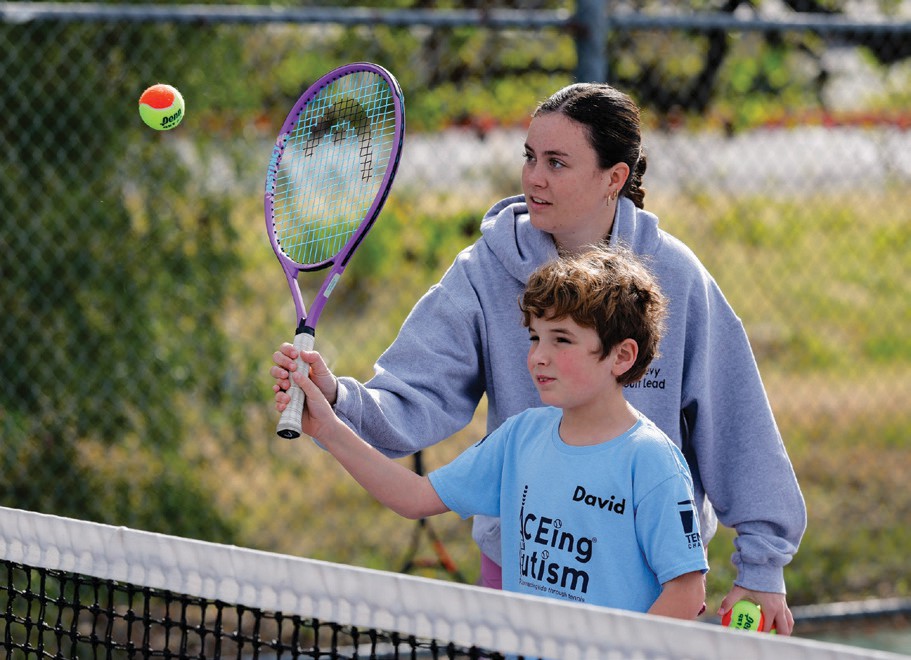
The ACEing Autism Tennis Clinic, initiated at Oak Park High School in 2024 by student Natalie Ng, exemplifies a structured recreational program designed to support children on the autism spectrum. This program runs twice a year, offering six weekly sessions, each lasting one day. The unique aspect of this clinic is its reliance on high school tennis team members who volunteer to teach tennis to the younger participants. This model provides a naturalistic environment for skill acquisition and social interaction, moving beyond traditional clinical settings to leverage community resources and peer mentorship.
While not explicitly an Applied Behavior Analysis (ABA) therapy program, the structured nature of tennis, with its clear rules, turn-taking requirements, and predictable sequences of action, aligns well with principles often employed in behavior intervention plans. The consistent schedule and dedicated volunteer instructors create a predictable and supportive environment, which is often crucial for individuals with autism. The program focuses on developing not only athletic skills but also broader adaptive behaviors, social competencies, and emotional regulation within a fun, engaging context.
Key Benefits
Structured sports programs like the ACEing Autism Tennis Clinic offer a multitude of benefits that complement formal ABA therapy. Participants gain opportunities for significant physical activity, contributing to improved gross motor skills, coordination, and overall physical health. Beyond the physical, these programs are invaluable for fostering social development. Children learn to interact with peers and mentors, practice turn-taking, understand sportsmanship, and respond appropriately to winning and losing – all critical social skills that can be challenging for individuals with autism.
The presence of high school volunteers as instructors provides positive peer models and opportunities for naturalistic social learning. This interaction can enhance communication skills, encourage following multi-step instructions, and build rapport in a less formal setting than a typical therapy session. Furthermore, engaging in a structured activity with clear expectations can help children develop executive function skills such as attention, planning, and problem-solving, while also boosting self-esteem and a sense of accomplishment. The program’s success in providing
Source: theacorn.com







Join the discussion ▾