
The Policy Change
The Minnesota Department of Human Services identified 14 programs as high-risk following concerns about the integrity of the state’s social services system, leading to the elimination of one such program last year. A subsequent third-party review, conducted by Optum, a subsidiary of UnitedHealth Group, uncovered an estimated $1 billion in vulnerabilities within these programs over a four-year period. The full extent of the fraud remains undetermined, prompting significant concern among state and federal authorities.
In December, Joe Thompson, formerly a lead white-collar crime prosecutor for Minnesota’s U.S. Attorney’s Office, estimated that potentially more than half of the $18 billion spent across 14 high-risk Medicaid programs over seven years could be fraudulent. However, state officials have dismissed the notion of $9 billion in fraud as speculative. Separately, former President Donald Trump has made unsubstantiated claims of $19 billion being stolen from Minnesota programs, further highlighting the contentious nature of these financial assessments.
Impact on ABA
While the provided content does not detail the specific plea of an autism center owner, the article’s title explicitly links these fraud concerns to an “autism center owner.” This suggests a direct connection between the broader social services fraud investigations and the Applied Behavior Analysis (ABA) sector. This context is crucial for ABA providers, as the integrity of Medicaid and other state-funded programs directly impacts their operations and the accessibility of services for individuals with autism spectrum disorder.
The discovery of $1 billion in vulnerabilities, as identified by Optum, or the more speculative estimates reaching $9 billion to $19 billion, underscores a systemic issue that will likely lead to increased scrutiny across all provider types. For ABA clinics, this could translate into more frequent and intensive audits of billing records, treatment plans, and service delivery documentation. Providers may face heightened pressure to demonstrate medical necessity and treatment efficacy with robust data, potentially increasing administrative burdens and compliance costs. The environment of heightened fraud detection could also influence state policy decisions regarding reimbursement rates, service authorization criteria, and provider enrollment processes, making it more challenging for new clinics to enter the market or for existing ones to expand. Ultimately, the financial stability of the entire ABA ecosystem in Minnesota could be affected, potentially impacting the availability of qualified BCBAs and RBTs, and subsequently, access to critical therapy for families.
Next Steps
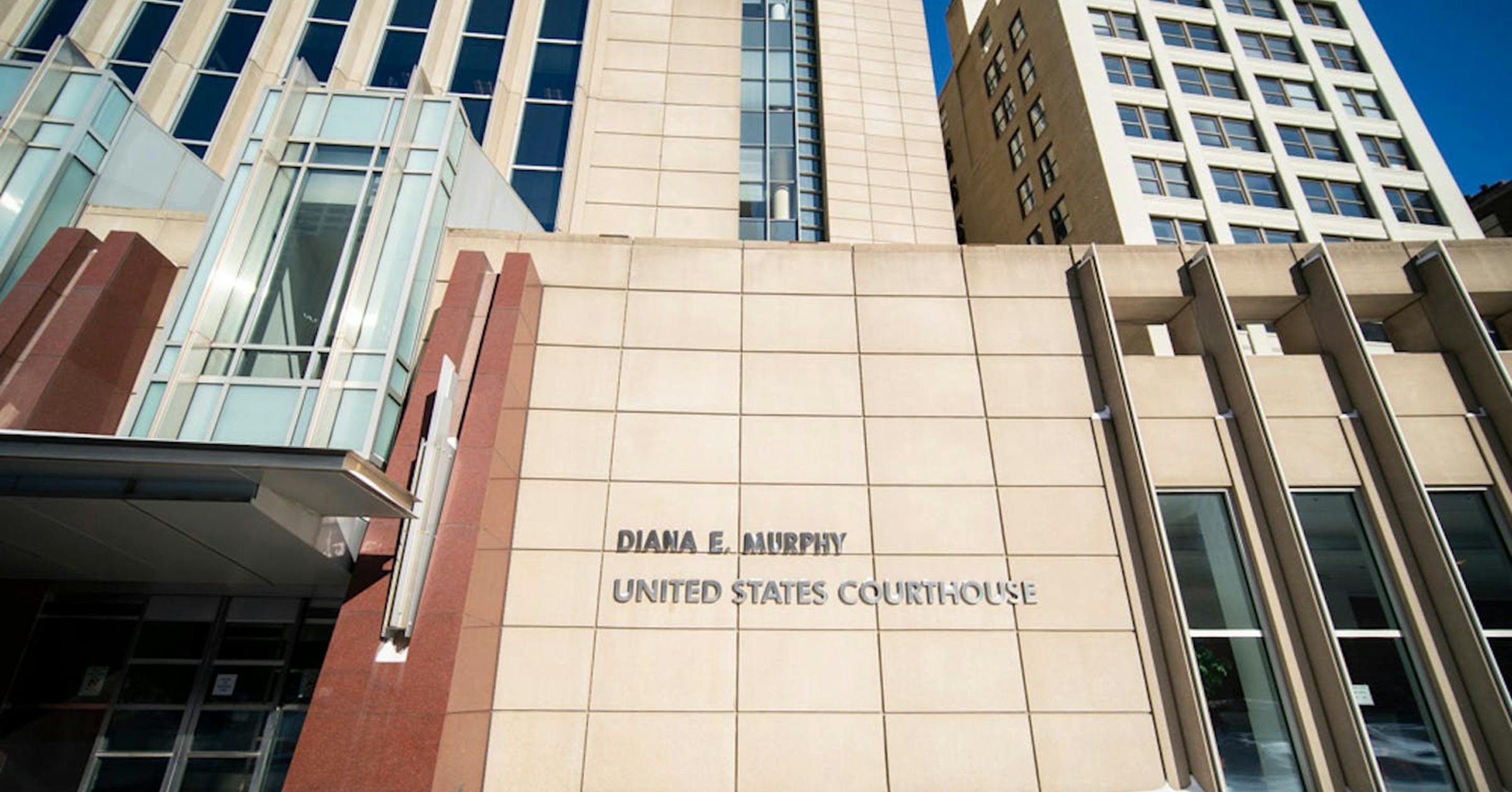
The federal court system in Minnesota has been significantly impacted by an influx of immigration cases, leading to a substantial number of lawyers reportedly quitting or retiring from the Minnesota U.S. Attorney’s Office. This exodus, coupled with the overwhelming caseload, has reportedly stalled numerous white-collar crime investigations, including those related to social services fraud. U.S. Attorney Daniel Rosen, while acknowledging these pressures, asserted that his office is adequately equipped to manage its caseloads and that fraud investigations are now “increasing in pace” due to the arrival of reinforcement lawyers from the federal government. This suggests a renewed federal commitment to tackling these complex financial crimes.
Simultaneously, state leaders have noted signs of stress within the federal prosecution efforts, prompting the state Attorney General’s office to proactively seek additional funding from Minnesota lawmakers. This funding is intended to strengthen its own specialized Medicaid fraud unit, indicating a recognition that state-level resources are essential to complement federal efforts. Nick Wanka, Director of the state’s Medicaid Fraud Control Unit, confirmed ongoing collaboration with federal counterparts, highlighting a coordinated strategy to investigate and prosecute fraudulent activities. The combined efforts at both state and federal levels underscore the complexity and scale of the problem, signaling a long-term commitment to restoring integrity to Minnesota’s social services programs. This sustained focus will likely lead to more enforcement actions and a continued push for greater accountability from providers.
Fast Facts
| Key Point | Why It Matters for ABA |
|---|---|
| $1 billion in vulnerabilities identified by Optum over 4 years | Indicates systemic issues that could lead to increased scrutiny for ABA providers. |
| Former prosecutor estimated over half of $18 billion in Medicaid spending could be fraudulent | Highlights the massive scale of potential fraud, impacting funding integrity for ABA services. |
| 14 high-risk social services programs designated by DHS | Suggests a broad crackdown that ABA providers, often funded by these programs, must prepare for. |
| Federal prosecution efforts impacted by staffing shortages and immigration cases | While challenging, federal reinforcement and state efforts signal continued, albeit complex, enforcement. |
| State Attorney General’s office seeking more funding for Medicaid fraud unit | Indicates a long-term, multi-agency commitment to combating fraud, requiring ongoing ABA compliance vigilance. |
Expert Perspective
The scale of potential fraud within social services demands a robust, coordinated response to protect vital programs and ensure accountability.
Source: startribune.com










Join the discussion ▾