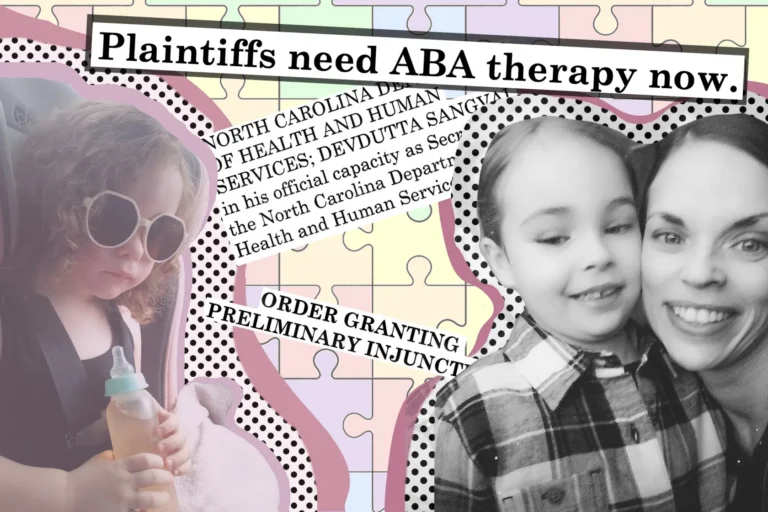

The Policy Change and Legal Challenge
A lawsuit has temporarily halted proposed Medicaid cuts impacting autism care in North Carolina. While the specific details regarding the nature of the cuts, the plaintiffs involved, or the precise legal arguments are not available from the source article, this development signals a significant intervention in state healthcare policy. States often consider Medicaid cuts due to various factors, including budgetary pressures, re-evaluation of service delivery models, or efforts to control rising healthcare costs. However, such proposals frequently draw strong opposition from the Applied Behavior Analysis (ABA) community, families, and advocacy groups, who raise concerns about the potential impact on access to essential, evidence-based care.
Medicaid plays a crucial role in funding ABA services for individuals diagnosed with autism spectrum disorder, particularly for low-income families who might otherwise struggle to afford these intensive therapies. Any changes to Medicaid policies, whether through rate reductions, limitations on service hours, or stricter eligibility criteria, can have profound and immediate consequences for a vulnerable population that relies on these benefits for critical developmental and behavioral support.
Impact on ABA Providers and Families
The general consequences of Medicaid rate cuts or service reductions for ABA providers are typically severe. Clinics often face significant financial strain, which can lead to difficult decisions regarding staffing levels, potentially resulting in fewer Board Certified Behavior Analysts (BCBAs) and Registered Behavior Technicians (RBTs) available to deliver services. Maintaining the quality of care can also become challenging under reduced reimbursement rates, as providers may struggle to invest in training, supervision, and necessary resources.
For families, such policy changes can translate into reduced access to care, longer waitlists for therapy, or even the closure of clinics, particularly in rural or underserved areas where options are already limited. The temporary halt of these cuts, while offering immediate relief, also introduces a period of considerable uncertainty. ABA providers may become hesitant to make long-term staffing or investment decisions, and families remain anxious about the future availability and affordability of the services their loved ones depend on. This interim period often becomes a critical window for intensified advocacy and potential negotiations between stakeholders and state agencies.
Broader Implications and Next Steps
Legal challenges against state Medicaid agencies over service cuts are not uncommon within the broader behavioral health industry. These lawsuits frequently highlight fundamental disagreements over funding priorities, the interpretation of federal mandates such as the Early and Periodic Screening, Diagnostic, and Treatment (EPSDT) benefit, and the commitment to evidence-based care. While the specifics of this North Carolina case are not detailed, it underscores the ongoing tension between a state’s fiscal responsibilities and its obligation to meet the healthcare needs of its most vulnerable citizens.
In such scenarios, the legal process will typically continue, potentially involving further court hearings, mediation efforts, or appeals. Concurrently, advocacy groups, professional organizations representing ABA practitioners, and families will likely intensify their efforts to influence policymakers, educate the public, and ensure sustained access to comprehensive ABA services. The outcome of legal battles like this can set important precedents for future Medicaid policy decisions within the state and may also influence other states grappling with similar budgetary pressures and demands for autism care funding.
Fast Facts
| Key Point | Why It Matters for ABA |
|---|---|
| Lawsuit temporarily halts cuts | Provides immediate, though uncertain, relief for providers and families. |
| North Carolina Medicaid focus | Highlights ongoing state-level challenges in ABA funding and policy. |
| Impact on autism care | Underscores the critical role of Medicaid in accessing essential services for individuals with ASD. |
Expert Perspective
Source: axios.com