The Policy Change
North Carolina state health officials had initiated significant changes to Medicaid reimbursement rates, effective October 1, 2025, which included a notable 10% reduction for specific autism therapies, particularly Applied Behavior Analysis (ABA). These cuts were a direct response to a dramatic increase in demand for autism diagnoses and services, which had led to a substantial rise in costs. Medicaid spending on ABA services alone had more than quintupled since 2022, prompting state officials to seek ways to manage the escalating budget.
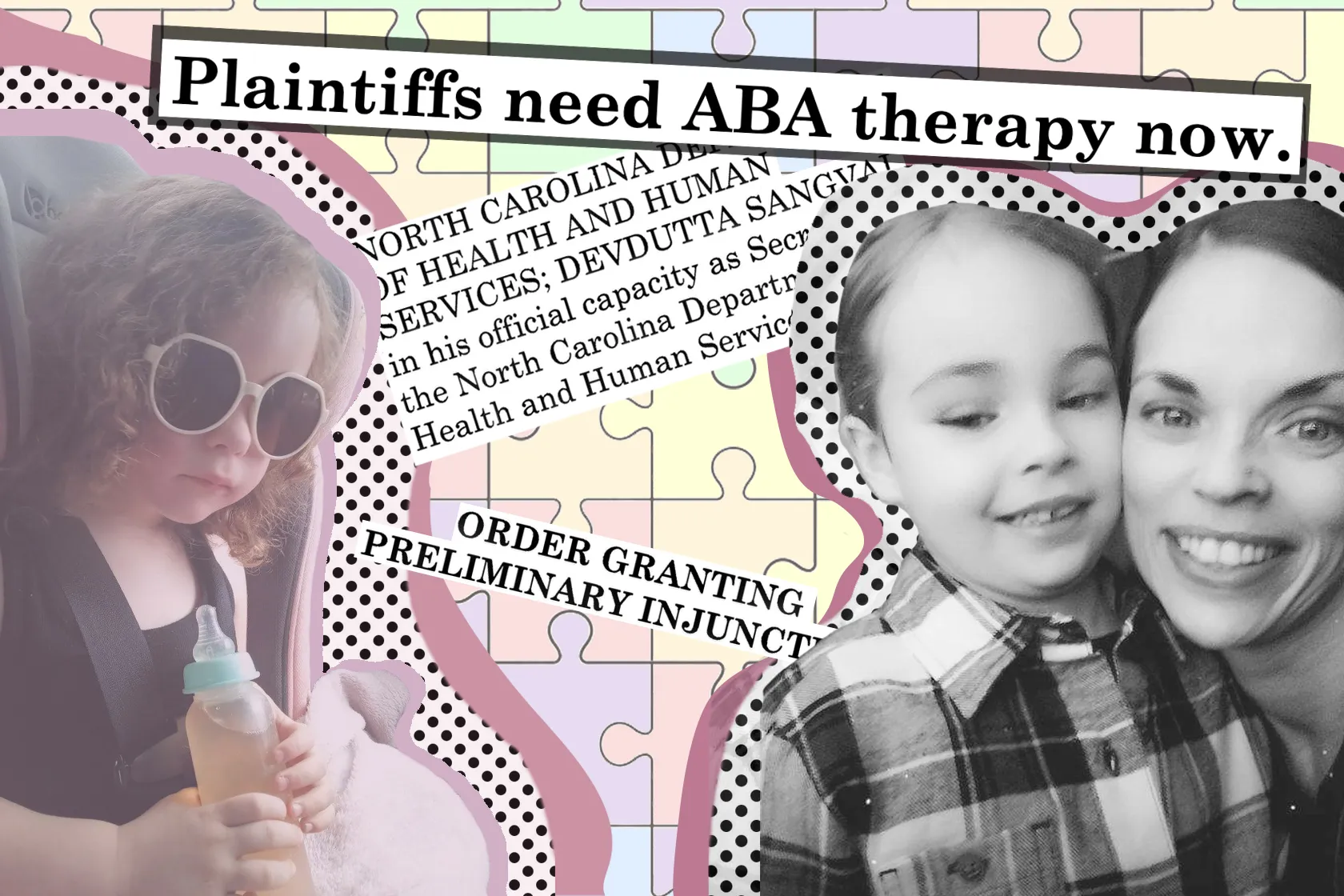
The proposed rate reductions were met with strong opposition from families with autistic children and ABA providers across the state. These stakeholders argued that such cuts would severely compromise access to essential, life-changing therapies. In a critical development, families filed a lawsuit contending that the planned rate cuts violated existing disability protections under state law. This legal action resulted in a recent court order that has temporarily reversed the cuts specifically for ABA therapy, offering a crucial, albeit temporary, reprieve for the sector.
Impact on ABA
The initial announcement of the Medicaid rate cuts posed an immediate and severe threat to the operational viability of ABA providers throughout North Carolina. Organizations like compleatKiDZ, which serve thousands of children, warned of dire consequences. These included the potential necessity to eliminate staff positions, significantly reduce the number of therapy hours available to clients, abandon plans for establishing new clinics in underserved areas, and extend already lengthy waitlists for over 1,000 children statewide.
For many families, Medicaid is the sole means by which they can access and afford the intensive, specialized care required for their children with autism. Without this funding, the cost of ABA therapy would be prohibitive, effectively cutting off access to interventions that are often described as life-changing. The importance of early childhood intervention in ABA is well-documented, and any disruption to service access during this critical developmental window could have profound, long-term negative impacts on a child’s progress and overall well-being. The uncertainty created by the proposed cuts, even with the temporary reversal, underscores the fragility of the current system and the constant pressure on providers to maintain high-quality care amidst financial constraints.
Next Steps
While the court order has temporarily halted the rate reductions for ABA therapy, the broader financial challenges facing North Carolina’s Medicaid system persist. The state continues to grapple with a substantial Medicaid shortfall, estimated at $319 million. This ongoing budget deficit means that reductions of 3–10% remain in effect for dozens of other Medicaid-funded services, indicating that the underlying strain on the healthcare system has not been fully resolved.
The temporary nature of the court’s decision for ABA services means that providers and families cannot assume a permanent solution has been found. The battle for sustainable funding for autism services is likely to continue, especially given the continuous rise in demand for autism care. Stakeholders will need to remain vigilant and engaged in advocacy efforts to ensure that access to critical therapies is protected and adequately funded in the long term. The situation highlights the complex interplay between public health policy, state budgets, and the vital needs of vulnerable populations, particularly those requiring specialized behavioral health interventions.
Fast Facts
| Key Point | Why It Matters for ABA |
|---|---|
| 10% Medicaid rate cut for ABA (initially) | Directly impacts provider revenue and ability to deliver services. |
| ABA spending quintupled since 2022 | Highlights rapid growth in demand and associated costs, driving policy changes. |
| Lawsuit filed by families | Demonstrates the critical importance of ABA to families and their willingness to fight for access. |
| Court order temporarily reversed ABA cuts | Provides immediate relief for providers and ensures continued access for children, for now. |
| $319 million state Medicaid shortfall | Indicates ongoing fiscal pressure that could lead to future funding challenges. |
| Threatened waitlists for 1,000+ children | Illustrates the potential scale of service disruption if cuts were to proceed. |
Expert Perspective
The temporary halt on ABA rate cuts offers crucial breathing room, but the underlying funding battle for essential autism services in North Carolina is far from over.
Source: compleatkidz.com