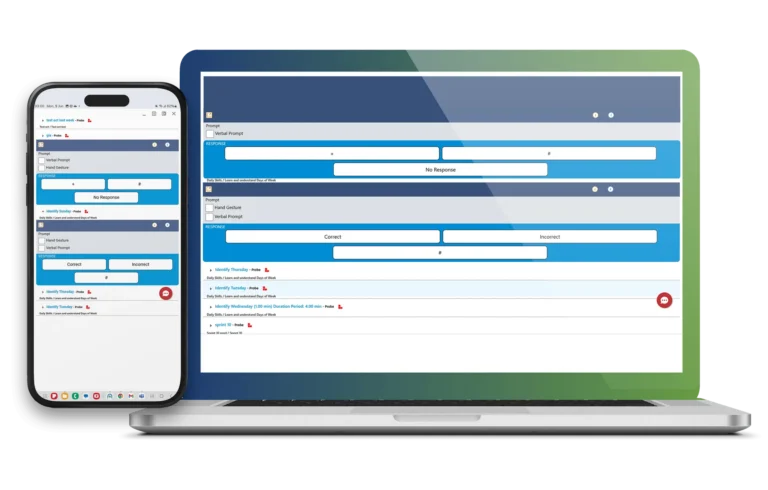
The Tool
Artificial intelligence (AI) and machine learning are increasingly being integrated into Applied Behavior Analysis (ABA) therapy, offering innovative methods for data collection and analysis. Traditionally, ABA relies heavily on meticulous data gathering to track client progress toward specific goals. This process, however, has long been characterized by significant challenges, including its time-intensive nature, susceptibility to human error and bias, and the inherent delay in analysis, which often renders data less actionable in real-time settings.
AI technology addresses these long-standing issues by automating various aspects of data collection and processing. For instance, AI tools can analyze hours of recorded video footage of a child’s behavior, performing complex analyses like video scatterplots in mere moments—a task that could take human therapists days to complete. This automation extends beyond simple recording, enabling the identification of behavioral trends and patterns that might otherwise be missed or take considerable time to discern manually.
The integration of AI into ABA therapy typically involves familiar devices such as smart cameras, smartwatches, and tablets. These tools can passively collect a wealth of data during therapy sessions. AI platforms then process this information, automatically identifying and categorizing behaviors, tracking their frequency and duration, and even analyzing potential environmental triggers. By leveraging advanced algorithms, these systems can also assess the effectiveness of specific interventions, providing a comprehensive, data-driven overview of a client’s progress.
Key Benefits
The primary advantage of AI in ABA data collection is the provision of real-time, actionable feedback. Unlike traditional methods where data analysis occurs post-session, AI tools can process information instantly, equipping therapists with immediate insights. This enables BCBAs and RBTs to make on-the-spot adjustments to interventions, responding more effectively to a client’s evolving needs and behavioral patterns during a session. This immediacy significantly enhances the responsiveness and efficacy of therapy.
Furthermore, AI platforms possess the capability to synthesize diverse data sets, creating a more holistic and comprehensive understanding of a client’s behavior. Information from video recordings can be combined with data from wearable technology (like smartwatches), audio inputs, and even digitized handwritten notes. This multi-modal data integration allows for a richer analysis, identifying correlations and influences that might not be apparent from single data streams. The data collected can include nuanced details such as body language, response times, facial expressions, and even physiological vital signs like blood pressure and heart rate, offering a deeper insight into a client’s state and reactions.
This enhanced data collection and analysis ultimately lead to highly individualized and optimized treatment plans. Therapists can fine-tune reinforcement schedules, suggest precise modifications to the client’s environment, and tailor interventions to a child’s unique strengths, challenges, needs, and preferences with unprecedented precision. Parents also benefit from this technological advancement, receiving more detailed and insightful progress reports and treatment summaries. The predictive capabilities of some AI tools can even help anticipate future outcomes and suggest proactive adjustments to therapy strategies, fostering greater transparency and collaboration between therapy teams and families.
Practical Applications
For BCBAs and RBTs, integrating AI tools means a shift from laborious manual data entry to a more analytical and responsive role. Instead of spending valuable session time meticulously logging every data point, practitioners can focus more on direct client interaction and intervention delivery, with AI handling the background data processing. The real-time feedback allows for dynamic adjustments, ensuring that interventions remain maximally effective throughout a session.
Clinic owners can explore AI solutions to improve operational efficiency, reduce the administrative burden on their staff, and enhance the overall quality of care. The ability to generate comprehensive reports quickly can also streamline communication with insurance providers, potentially aiding in authorization processes by providing robust, data-backed evidence of progress and intervention efficacy. As the technology matures, it will likely become an integral part of standard clinical practice, setting new benchmarks for data-driven decision-making in ABA.
Fast Facts
| Key Point | Why It Matters for ABA |
|---|---|
| AI automates data collection | Reduces therapist burden, increases efficiency, minimizes human error. |
| Real-time feedback during sessions | Enables immediate intervention adjustments, optimizing treatment efficacy. |
| Combines video, wearables, audio data | Provides a comprehensive, multi-modal view of client behavior and progress. |
| Analyzes body language, vital signs | Offers deeper insights into client state, leading to more personalized interventions. |
| Predictive capabilities for outcomes | Supports proactive treatment planning and improved communication with families. |
Expert Perspective
AI is fundamentally reshaping ABA data collection, moving from retrospective analysis to real-time, actionable insights that empower therapists and optimize client outcomes.
Source: bluegemsaba.com