
The Tool
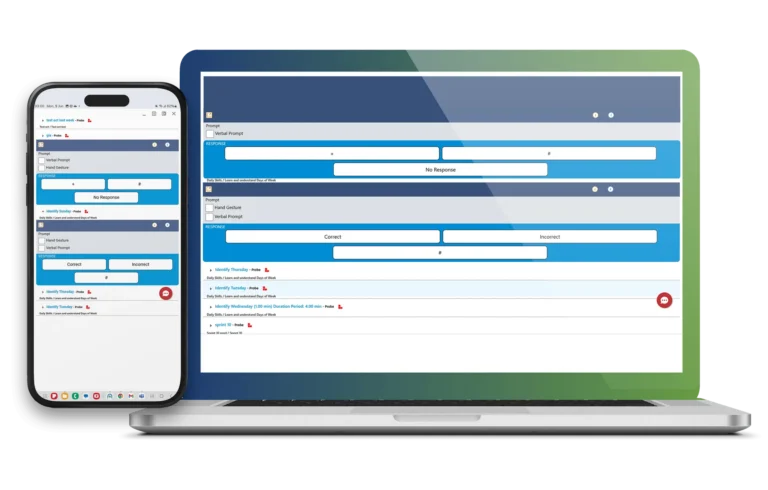
Applied Behavior Analysis (ABA) relies fundamentally on systematic data collection to convert observations into actionable insights, thereby enhancing therapeutic outcomes. The integration of digital technology has significantly advanced this process, offering ABA practitioners sophisticated mobile applications that streamline data collection, improve accuracy, and boost efficiency. This digital transformation is particularly critical given the rapid expansion of the autism therapy market.
The global autism therapy market was valued at USD 2.33 billion in 2024 and is projected to reach USD 3.89 billion by 2032, demonstrating a Compound Annual Growth Rate (CAGR) of 6.60%. Within this, the U.S. ABA market alone accounted for USD 4 billion in 2023 and is expected to grow at a 4.8% CAGR between 2024 and 2032. This growth is largely fueled by an increased prevalence of autism spectrum disorder (ASD), with an estimated 1 in 36 children now diagnosed in the U.S., up from 1 in 44. This market expansion underscores the increasing demand for evidence-based interventions and the widespread adoption of digital solutions in therapeutic settings, mirroring the broader mental health apps market, which was valued at USD 6.1 billion in 2023 and is estimated to grow at a 17.9% CAGR from 2024 to 2032.
Several leading platforms are at the forefront of this digital shift, offering diverse features tailored to the complex needs of ABA practitioners. CentralReach is recognized as an industry leader, providing comprehensive ABA practice management solutions with native iOS and Android mobile applications. These mobile capabilities allow clinicians to document sessions, collect data, and manage schedules seamlessly, whether in a clinic or providing in-home services, ensuring data integrity across various environments.
Motivity stands out for its sophisticated approach to data collection, particularly its commitment to evidence-based improvements. It has received funding from the National Institutes of Health (NIH) to develop Clinical Decision Support (CDS) features, which are roadmapped for implementation in 2024 and 2025. These features aim to help clinicians identify areas where learners and staff may require clinical review and attention. Motivity is highly regarded for its ability to manage complex data collection tasks while remaining user-friendly, with customers appreciating its real-time data access for immediate analysis and adjustments.
Catalyst is another widely adopted specialized ABA data collection solution, used by over 70,000 BCBAs and RBTs. It eliminates the need for paper data sheets and graphs, saving countless hours of data entry through automatically generated progress reports. Catalyst offers broad compatibility across devices, including desktops, laptops, tablets, and smartphones, and supports remote data collection. Its intelligent automation feature allows providers to set mastery criteria, automatically mastering out targets once goals are reached. The platform also boasts a powerful graphing engine with up to twenty options for analysis, including condition lines, comparisons, trend lines, and data splitting by therapists, alongside comprehensive data collection options like discrete trial training, task analysis, frequency counting, and duration tracking.
TallyFlex offers an innovative, unified solution for various behavioral recording methods, including ABC, frequency, duration, latency, and intervals, combined with a visual timer. It aims to simplify the implementation of ABA techniques for parents, teachers, and therapists, earning a 4.0 out of 5 rating from 47 ratings on the App Store for its versatility and ease of use. Artemis ABA provides a mobile data collection app and clinical tools designed with a user-centric approach, focusing on automated efficiencies. Its notable features include comprehensive session management, location tracking for Electronic Visit Verification (EVV) to meet payer requirements, integrated billing and documentation, and positive feedback for its caregiver involvement features that enhance communication and collaboration.
Key Benefits
The shift to digital data collection offers numerous advantages for ABA practices. A 2023 study published in the Journal of Applied Behavior Analysis found that programs utilizing consistent digital data collection showed 35% faster progress toward behavioral goals compared to those relying on inconsistent manual methods. This significant improvement highlights the direct impact on client outcomes.
Digital solutions inherently eliminate many sources of human error associated with paper-based systems. Automated calculations, timestamps, and standardized data entry formats ensure greater accuracy in behavioral measurements. This accuracy is crucial for making data-driven decisions during therapy sessions. Furthermore, modern ABA apps provide instant data visualization and trend analysis, allowing practitioners to make immediate adjustments to intervention strategies as needed.
Beyond clinical accuracy, these tools significantly reduce administrative burden. Features like automatically generated progress reports and AI-driven clinical note generation (as seen with CentralReach for payor-compliant notes) free up clinicians’ time, allowing them to maximize their focus on direct client care. Digital platforms also facilitate improved communication between practitioners and families through real-time progress sharing, automated reports, and secure messaging capabilities, fostering greater collaboration and transparency.
However, the adoption of digital solutions is not without challenges. Practitioners may face an initial learning curve, and concerns about technology reliability, cost considerations for smaller practices, and seamless integration with existing systems remain pertinent. The sensitive nature of behavioral health data also necessitates robust security measures, requiring apps to comply with all relevant privacy regulations and maintain appropriate data protection standards, including end-to-end encryption, role-based access controls, secure data backup, and audit trails.
Practical Applications
For BCBAs, RBTs, and clinic owners, embracing digital data collection is becoming an essential component of best practice. When selecting an ABA data collection app, it is crucial to consider specific practice needs, budget constraints, and long-term growth plans. The right digital solution can transform data collection processes, improve therapeutic outcomes, and enhance overall practice efficiency.
Practitioners should look for apps that support a comprehensive range of data collection methodologies, including Discrete Trial Training (DTT), Task Analysis, Frequency/Rate Data, Duration Data, ABC Data, and Interval Recording. Reliable offline functionality is also crucial for practitioners working in environments with limited or no internet connectivity. The demand for comprehensive integrations with ABA practice management systems is a prominent trend, enabling a unified workflow from clinical data to billing and reporting.
Emerging trends indicate that machine learning algorithms will provide more sophisticated pattern recognition and predictive analytics, further supporting clinical decision-making. The expansion of digital therapeutics and telehealth integration, particularly accelerated by the COVID-19 pandemic, will continue to shape service delivery models. By staying current with these technological innovations while maintaining a steadfast focus on evidence-based practices, ABA professionals can deliver the highest quality, most effective, and impactful services to individuals with autism and other developmental disabilities.
Fast Facts
| Key Point | Why It Matters for ABA |
|---|---|
| 35% faster progress with digital data collection | Quantifiable improvement in client outcomes and efficiency. |
| Global autism therapy market to reach $3.89B by 2032 | Indicates growing demand and investment in ABA services and supporting tech. |
| U.S. ABA market $4B in 2023, 1 in 36 children with ASD | Highlights significant market size and increasing need for effective interventions. |
| Motivity funded by NIH for Clinical Decision Support | Signals a move towards evidence-based, intelligent tools for clinicians. |
| Catalyst used by 70,000+ BCBAs/RBTs | Demonstrates widespread adoption and trust in specialized ABA data solutions. |
| AI for payor-compliant clinical notes (CentralReach) | Reduces administrative burden, allowing more time for direct client care. |
| Strict HIPAA compliance and security features | Ensures protection of sensitive client data, crucial for ethical practice. |
Expert Perspective
Digital data collection tools are not merely the future of ABA practice; they are indispensable components of current best practices for delivering effective and efficient services.
Source: linksaba.com