The Tool
In the rapidly evolving landscape of Applied Behavior Analysis (ABA) therapy, efficient data collection and practice management are paramount for delivering high-quality client care and maintaining operational solvency. Specialized ABA data collection software has become indispensable for clinics seeking to streamline workflows, ensure regulatory compliance, and enhance therapeutic outcomes. These platforms integrate various functions, from session data capture to scheduling and billing, aiming to reduce administrative burden on behavior analysts and support staff.
A recent comprehensive evaluation of over 15 ABA data collection platforms identified seven leading solutions poised to meet the diverse needs of clinics in 2026. The assessment prioritized user experience, data reliability, integration capabilities, security, and scalability, moving beyond marketing claims to focus on practical application and user feedback. The goal was to pinpoint systems that genuinely save time on data entry, reporting, and tracking, all while upholding stringent HIPAA compliance standards.
Key Benefits
The adoption of dedicated ABA data collection software offers several critical advantages for clinics. Firstly, these platforms significantly reduce the time spent on manual data entry and report generation, freeing up valuable clinician time that can be redirected towards direct client care or professional development. Automated reporting features provide immediate insights into client progress, enabling BCBAs to make data-driven treatment decisions more efficiently. Secondly, integrated practice management functionalities, such as scheduling, billing, and authorization tracking, consolidate disparate systems into a single, unified interface. This eliminates the need for multiple logins and reduces the risk of data loss or discrepancies between systems, leading to smoother administrative processes and improved revenue cycle management.
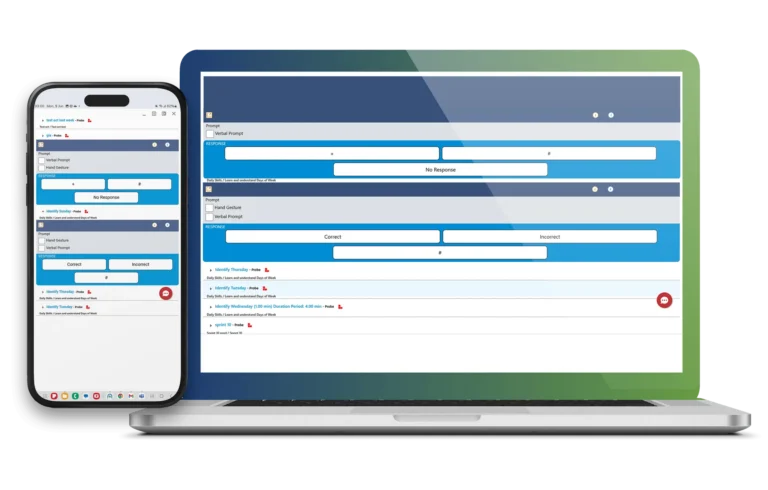
Furthermore, these advanced software solutions are designed with HIPAA compliance in mind, ensuring the secure handling and storage of sensitive client information. Many platforms also offer mobile-first designs with offline data collection capabilities, crucial for therapists working in diverse settings like homes, schools, or community environments where internet access may be intermittent. The ability to collect data in real-time, even without an internet connection, and then automatically sync it upon reconnection, ensures data integrity and continuity of care. Customizable program builders, extensive template libraries, and asynchronous video supervision features further empower BCBAs to tailor interventions and provide robust oversight, ultimately enhancing the quality and effectiveness of ABA services.
Practical Applications
The market offers a range of solutions, each catering to specific clinic sizes, operational models, and priorities:
Passage Health stands out as an all-in-one EMR/EHR solution, unifying data collection, scheduling, billing, and reporting. It targets growing ABA clinics, multi-disciplinary practices, and schools aiming to reduce reliance on disconnected tools. Praised for its fast setup (days, not weeks) and intuitive interface, it promises to save hours weekly on administrative tasks, allowing clinics to take on more clients. Pricing is available by custom quote, reflecting its comprehensive nature.
For teams prioritizing clinical depth and customization, Hi Rasmus offers extensive data types, customizable workflows, and strong outcomes reporting. It’s ideal for practices willing to integrate with separate practice management systems for scheduling and billing, often paired with solutions like Aloha ABA. Its unique features include asynchronous video supervision, allowing BCBAs to review and score sessions at their convenience. Pricing is by quote, with Standard and Premium client license types.
Motivity provides clinical data collection with the flexibility to add practice management tools as needed. It’s designed for ABA clinics that want to start with clinical functionalities and later incorporate scheduling, billing, or credentialing without migrating platforms. Starting at $24 per learner per month for data collection, it offers NIH-backed clinical tools, over 370 templates, and real-time data collaboration. While highly flexible, it may require more initial configuration time.
RethinkBH offers a full-suite platform encompassing data collection, scheduling, billing, analytics, and RBT training. It serves start-up to enterprise-level practices seeking consolidated tools, operational insights, and staff development. Key features include over 1,500 treatment goals with video training and robust operational dashboards. However, some users have reported challenges with data saving and accessing support, alongside issues with its Tebra/Kareo billing integration.
Ensora presents a modular ABA suite, allowing clinics to select specific tools for data collection, scheduling, billing, and authorization tracking, making it suitable for budget-conscious practices. Its mental health platform starts at $29 per therapist per month for clinical features, with rehab therapy suite options from $119 per user per month. Designed by BCBAs, it includes an offline mode and flexible plan design, though managing separate modules can lead to integration complexities and some users have noted frequent app crashes or confusing interfaces.
Raven Health is specifically built for therapists working in homes and schools, emphasizing mobile-first data collection with offline capabilities and automatic syncing. It targets small to mid-sized clinics needing fieldwork flexibility, integrating data capture, scheduling, and billing. Its Data Collection Essentials plan is $29 per user per month with a $500 implementation fee, and managed billing is 5% of monthly claims paid. It offers quick onboarding but might be less ideal for multi-clinic operations or highly customized workflows.
For large, multi-site operations, CentralReach remains the enterprise standard. It handles mobile data collection (offline), scheduling, billing, payroll, and staff management within a single system, offering built-in analytics and compliance tracking. While robust for complex operations, its implementation burden and high cost make it less suitable for growing clinics without dedicated IT resources. Pricing is available by custom quote for enterprise clients.
The choice of software ultimately depends on a clinic’s specific needs, growth trajectory, and budget. While Passage Health is highlighted as a strong overall choice for most clinics due to its modern, unified approach, specialized needs may lead practices to Hi Rasmus for clinical depth, Motivity for modular growth, or CentralReach for enterprise-level control.
Fast Facts
| Key Point | Why It Matters for ABA |
|---|---|
| 7 top ABA software platforms identified | Guides clinics in selecting optimal tools for efficiency and compliance. |
| Pricing ranges from $24/learner/month to custom quotes | Highlights diverse options for varying clinic budgets and needs. |
| HIPAA compliance is a universal feature | Ensures data security and regulatory adherence for all listed solutions. |
| Offline data collection offered by multiple platforms | Critical for therapists working in diverse community and home settings. |
| Integrated billing and scheduling common | Reduces administrative burden and streamlines revenue cycle management. |
Expert Perspective
Choosing the right ABA software is a strategic decision that directly impacts clinical efficiency, data integrity, and a clinic’s capacity for growth and client service.
Source: passagehealth.com