The Tool
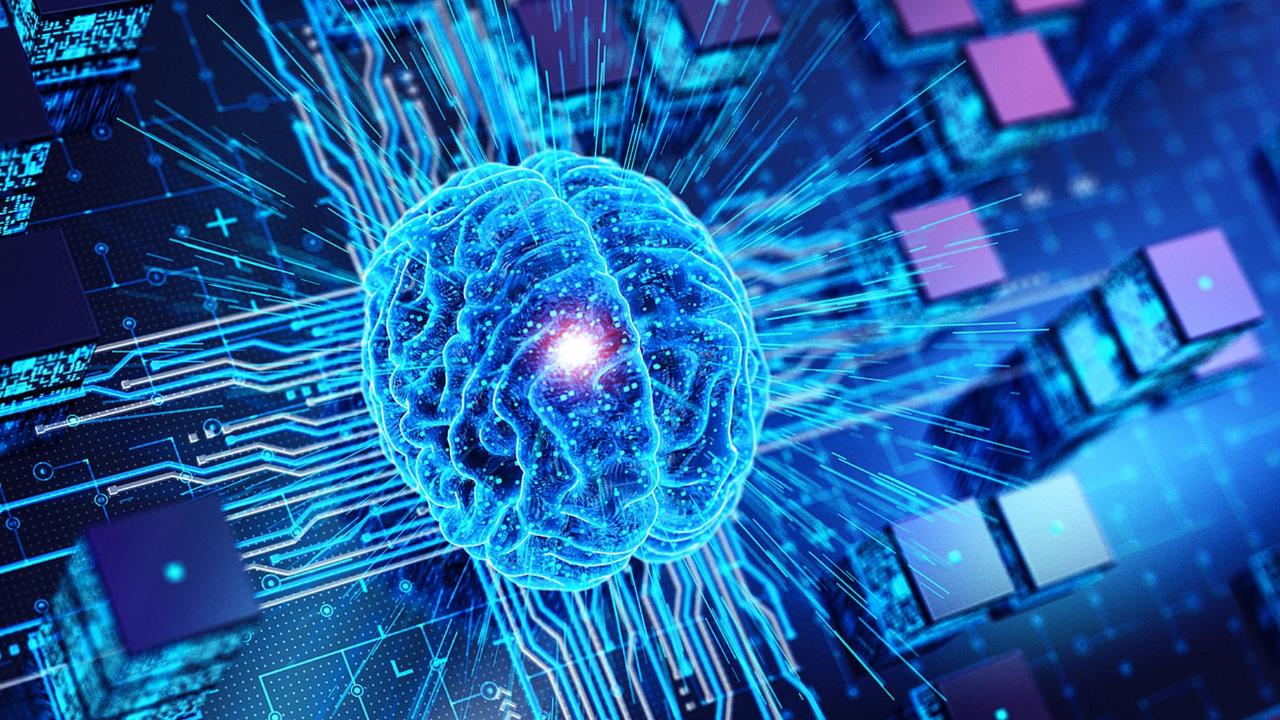
In a significant advancement for behavioral health technology, an artificial intelligence research institute at a university in Fuzhou, the capital of southeastern Fujian Province, China, has developed a pioneering humanoid robot specifically for the diagnosis and support of individuals with autism spectrum disorder. This innovative creation marks China’s first humanoid medical robot to integrate non-invasive brain-computer interface (BCI) technology, signaling a new frontier in the application of advanced robotics and AI in healthcare.
The robot is designed not only for diagnostic purposes but also to open new possibilities for autism rehabilitation and long-term care. While specific operational details of the robot’s diagnostic process or its rehabilitation functionalities were not extensively detailed in the initial report, the integration of non-invasive BCI suggests its capability to monitor and interpret neural activity without direct physical contact, potentially offering objective data points for assessment and intervention planning. This technology could allow for a more nuanced understanding of an individual’s responses and engagement during therapeutic activities.
Key Benefits
The introduction of a humanoid diagnostic robot with BCI technology offers several potential benefits for the autism community and the broader ABA field. Firstly, it could provide a highly standardized and consistent assessment tool, reducing variability often inherent in human-led diagnostic processes. The robot’s ability to collect objective data through its BCI could lead to earlier and more precise diagnoses, which is crucial for initiating timely and effective applied behavior analysis interventions.
Furthermore, for rehabilitation and long-term care, a humanoid robot could offer consistent, patient, and non-judgmental interaction, which may be particularly beneficial for individuals with autism who sometimes struggle with social interactions. The BCI component could allow for personalized feedback and adaptive interventions, tailoring therapeutic approaches in real-time based on an individual’s cognitive and emotional responses. This level of data-driven personalization could significantly enhance the efficacy of behavior intervention plans and skill acquisition programs, complementing the work of BCBAs and RBTs by providing additional insights into learner progress and engagement.
Practical Applications
For BCBAs and RBTs, this type of technology could serve as a powerful adjunct to existing clinical practices. In assessment, the robot might assist in gathering baseline data, identifying specific behavioral patterns, or measuring physiological responses to various stimuli, all through its non-invasive BCI. This objective data could then inform the development of more targeted and effective behavior intervention plans. For instance, a BCBA could utilize the robot’s data to refine antecedent strategies or consequence interventions, ensuring they are precisely matched to the individual’s needs.
In the realm of direct intervention, the robot could potentially be used for repetitive skill-building exercises, social skills training, or as a consistent interaction partner, freeing up human therapists to focus on more complex, nuanced aspects of therapy that require human empathy and clinical judgment. Clinic owners might explore integrating such robots to enhance service delivery, improve data collection efficiency, and potentially expand access to certain types of diagnostic or rehabilitative support. However, it is critical that such tools are viewed as complements to, rather than replacements for, qualified human professionals, ensuring that ethical considerations, individualized treatment planning, and human connection remain central to ABA service delivery.
Fast Facts
| Key Point | Why It Matters for ABA |
|---|---|
| China’s first humanoid medical robot with non-invasive BCI | Represents a significant technological leap in autism diagnosis and support, potentially influencing global ABA tech trends. |
| Developed by a university AI research institute in Fuzhou | Highlights academic-driven innovation and the growing intersection of AI, robotics, and behavioral health. |
| Aims to enhance autism rehabilitation and long-term care | Offers possibilities for standardized assessments, objective data collection, and consistent therapeutic interactions to complement human-led ABA. |
Expert Perspective
This pioneering humanoid robot, with its non-invasive brain-computer interface, signals a transformative era for autism diagnosis and personalized intervention.
Source: news.cgtn.com