The Policy Change
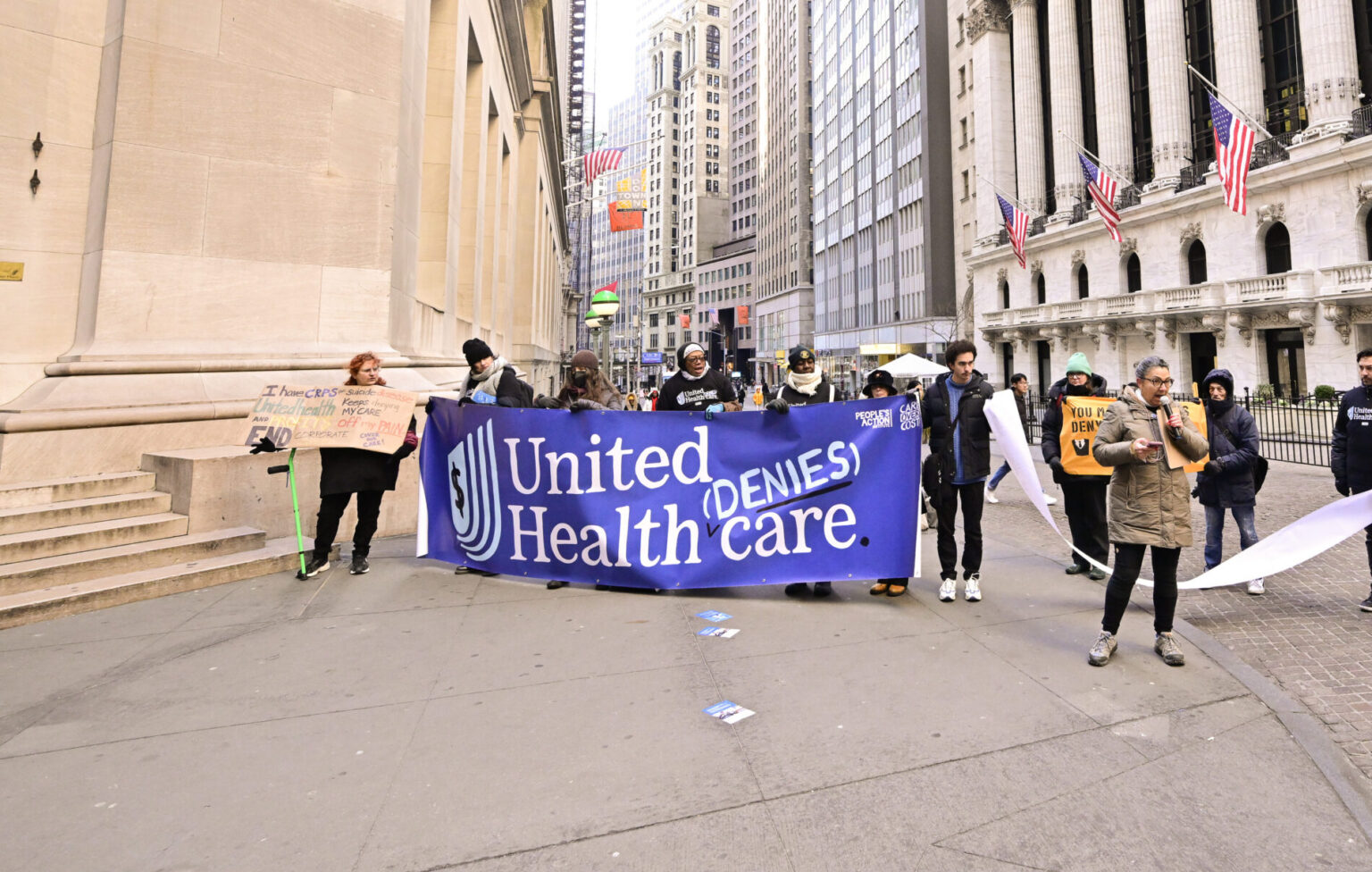
UnitedHealth Care, one of the nation’s largest insurers, along with its Nevada subsidiaries Health Plan of Nevada and Sierra Health, has reportedly implemented new limitations on applied behavior analysis (ABA) benefits for autistic children. These changes, which providers and parents say began at the start of the year, include denials for ABA services during school hours and increased out-of-pocket costs for essential one-on-one assistance from registered behavior technicians (RBTs). This comes as autism spectrum disorder diagnoses have more than doubled in the last decade, with the Centers for Disease Control estimating a prevalence of 1 in 31 for 8-year-olds in 2022, up from 1 in 69 a decade prior.
ABA therapy is widely recognized as a gold standard for helping autistic children develop crucial life skills, with experts emphasizing its role in improving long-term outcomes. However, the expense of these services is typically covered by insurance. Amy Novak, who owns a school for autistic children, highlighted the critical nature of ABA, stating, “It’s a medical necessity. How can the insurance company decide when they receive it?” She noted that many children on the autism spectrum require intensive ABA for six to eight hours daily, alongside other therapies, all typically covered by medical insurance. Novak attributes these newly imposed limitations to “corporate greed” and fears other insurers may follow suit.
The reported benefit cuts align with a 2024 ProPublica investigation, which alleged that UnitedHealth Group was engaged in a “secret internal cost-cutting campaign” specifically targeting the growing financial burden associated with autism treatment. Despite reporting record revenue of $400.3 billion in 2024, UnitedHealth’s net income for the year was down 36% from the previous year. The affected policies in Nevada include those offered through the state’s public option (Battle Born State plans), Affordable Care Act-compliant insurance, and Medicaid plans.
Impact on ABA
Catherine Nielsen, executive director of the Governor’s Council on Developmental Disabilities, informed state lawmakers that families encountered “last-minute, undisclosed changes to coverage” for 2026, rather than anticipated premium increases. She emphasized that interruptions in ABA therapy for young children can lead to “regression, delayed progress, and increased need for more intensive support later.” For families, these sudden shifts in coverage or costs can jeopardize “employment stability and household financial security.”
Nielsen’s letter to state and federal lawmakers highlighted a concerning “two-tiered system” where access to medically necessary care depends on how parents obtain insurance, rather than on clinical need. Employer-sponsored plans have largely remained unaffected, while families relying on government-subsidized plans, including ACA marketplace plans and Medicaid, appear to be disproportionately bearing the brunt of these cost increases, network reductions, and access limitations. Nevada families currently face an estimated $2,945 in annual out-of-pocket costs for an autistic child.
While Nevada officials, including Nevada Health Authority Chief of Staff Allison Genco Herzik and Director Stacie Weeks, maintain that Medicaid benefits for ABA remain robust and unchanged, Nielsen contends that this statement “does not fully reflect the documented realities families are experiencing.” Herzik noted a significant spike in Medicaid utilization and costs, with Nevada Medicaid paying $75 million to providers for ABA therapy in 2025, an increase of nearly 350% since 2021. However, Nielsen cautions that increased spending does not necessarily equate to timely or equitable access, especially for early intervention-aged children or those navigating provider scarcity.
The Governor’s Council’s review of the state’s Autism Treatment Assistance Program (ATAP) revealed several access barriers: 156 children are currently on the ATAP waitlist due to staffing capacity, with wait times under 90 days. Caseload capacity is a significant constraint, with only one new Developmental Specialist approved for the biennium. Crucially, the state does not track how many children are unable to secure an ABA provider or provider-level waitlists, suggesting a data gap rather than confirmed access. State staff have also confirmed a provider shortage, primarily driven by workforce limitations and administrative oversight requirements, leading some providers to pause or exit participation.
Next Steps
The Governor’s Council on Developmental Disabilities is actively reviewing whether Health Plan of Nevada’s limitations on ABA benefits comply with existing state and federal requirements. U.S. Sen. Catherine Cortez Masto’s office has stated that the senator believes this situation underscores the need for stronger oversight to prevent insurers from shifting costs in ways that effectively block access to care. Nielsen is working with the state to obtain clarification on these issues and has confirmed that Governor Joe Lombardo’s office is aware of the situation. The outcome of these investigations and advocacy efforts will significantly shape the landscape of ABA access for families in Nevada.
Fast Facts
| Key Point | Why It Matters for ABA |
|---|---|
| UnitedHealth limiting ABA benefits in Nevada | Directly impacts access to care for autistic children and financial stability for families and providers. |
| Autism diagnoses doubled in a decade (1 in 31) | Highlights the growing demand for ABA services and the increasing financial burden on insurers and families. |
| Governor’s Council cites 156 children on ATAP waitlist | Reveals critical access barriers and workforce shortages despite official claims of no waitlists, impacting early intervention. |
Expert Perspective
This situation underscores a critical tension between rising healthcare costs and the medically necessary, evidence-based care essential for children with autism.
Source: nevadacurrent.com