The Policy Change
States across the U.S. are implementing or proposing substantial cuts to Medicaid reimbursement for Applied Behavior Analysis (ABA) therapy, a move that is dramatically impacting families and providers. This trend comes as state Medicaid programs face significant budget shortfalls and a projected nearly $1 trillion in federal Medicaid spending reductions. For instance, North Carolina initially attempted a 10% reduction in payments to ABA providers, while Nebraska implemented cuts ranging from 28% to 79% depending on the service. Colorado and Indiana are also considering similar measures, reflecting a broader effort to rein in escalating healthcare expenditures.
The surge in ABA spending by state Medicaid programs is notable. North Carolina’s payments for ABA therapy, which stood at $122 million in fiscal year 2022, are projected to reach $639 million by fiscal year 2026, representing a staggering 423% increase. Nebraska has seen a 1,700% jump in recent years, and Indiana experienced a 2,800% rise. This exponential growth is attributed to heightened autism awareness, increased diagnoses, and the federal government’s 2014 mandate for states to cover autism treatments, with full coverage for ABA becoming standard by 2022.
Beyond budget pressures, state and federal audits have also fueled these policy changes, raising questions about payment integrity. A federal audit of Indiana’s Medicaid program estimated at least $56 million in improper payments during 2019 and 2020, citing instances where providers billed for excessive hours, including during nap times. Similarly, an audit in Wisconsin identified at least $18.5 million in improper payments in 2021 and 2022. In Minnesota, 85 open investigations into autism providers were underway as of summer, following FBI raids on two providers as part of a Medicaid fraud inquiry.
Impact on ABA
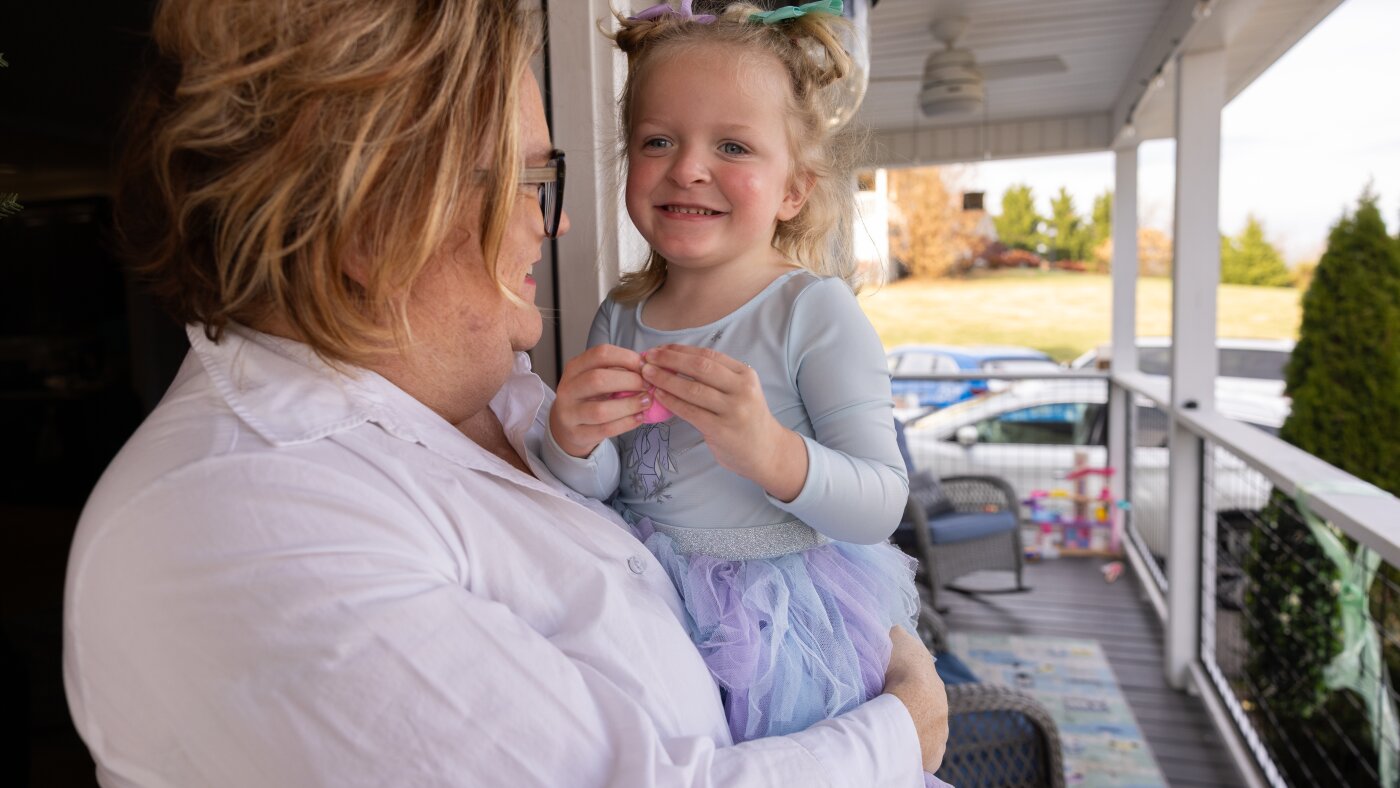
These policy shifts have immediate and profound consequences for families and ABA providers. Aubreigh Osborne, a 3-year-old in North Carolina diagnosed with autism, experienced her weekly therapy hours abruptly halved from 30 to 15 due to state cuts. Her adoptive mother, Gaile Osborne, highlighted the significant progress Aubreigh made with ABA, including improved social interactions, consistent eating, toilet training, and making friends, calling these
Source: npr.org