The Policy Change
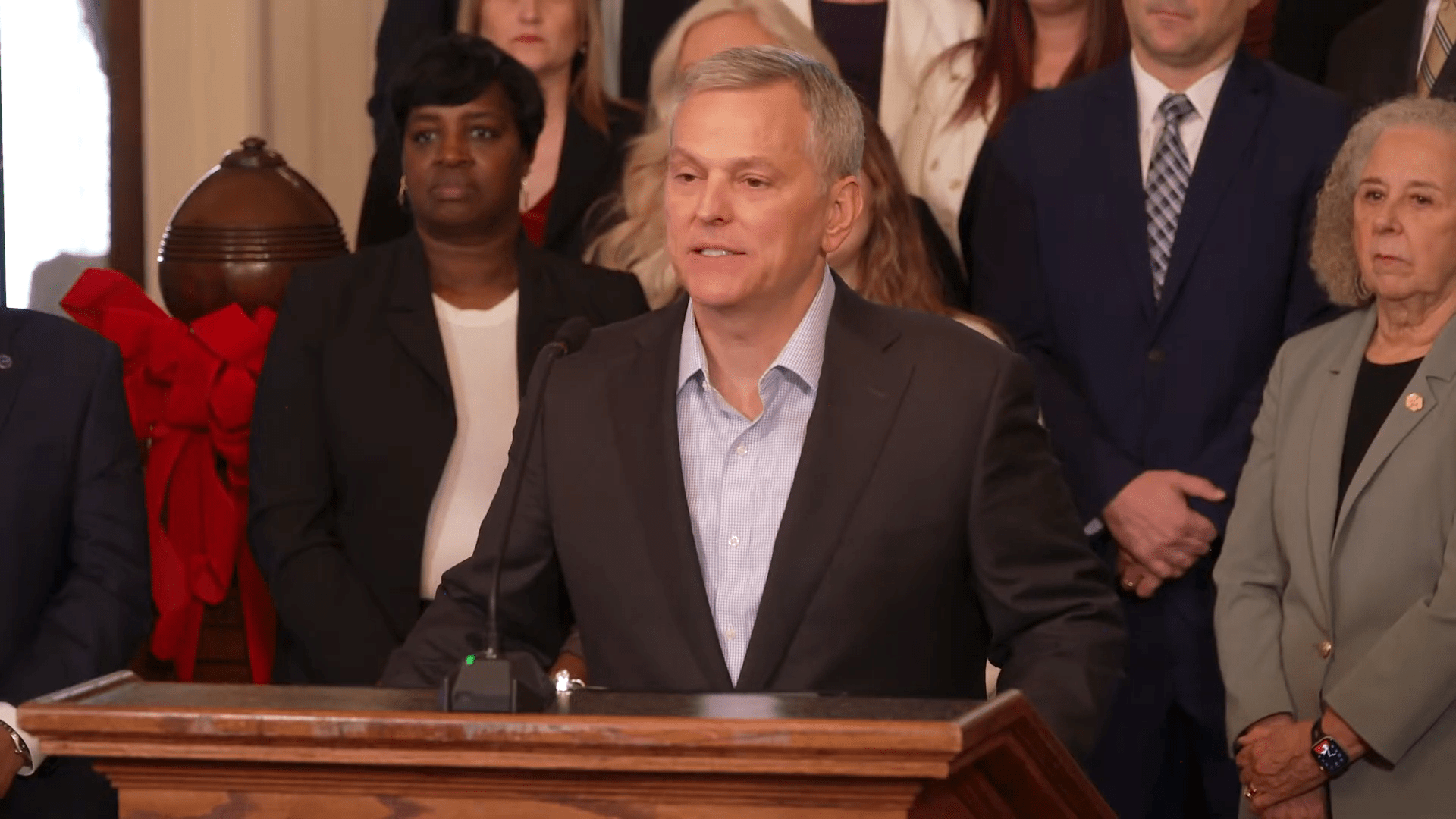
North Carolina Governor Josh Stein recently announced the restoration of Medicaid reimbursement rates, effectively ending a contentious standoff over healthcare funding. This decision reverses previous cuts implemented by the state’s Department of Health and Human Services (DHHS) that had been necessitated by a significant shortfall in the annual Medicaid budget, as the legislature failed to meet the department’s funding request by hundreds of millions of dollars. The situation highlighted a power struggle between the governor, who holds limited constitutional authority, and the legislature, which controls the state’s purse strings.
The reversal came after a series of legal challenges were filed against the DHHS’s decision to reduce provider payments. According to a news release from Governor Stein, recent court decisions made it “untenable to continue with rate reductions.” The restoration returns Medicaid rates to their levels as of September 30th, aiming to ensure continued access to care for over 3 million North Carolinians who rely on the program. Despite this immediate relief, Governor Stein emphasized that the underlying $319 million funding gap remains unresolved, placing the onus on lawmakers to reach a comprehensive budget agreement.
The budget impasse stems from the Republican-controlled General Assembly’s inability to agree on a two-year spending plan. Instead, they passed a bare-bones “mini-budget” in July, which only allocated agencies the same funding as the previous year, without any nonrecurring funds. While this mini-budget appropriated $600 million for Medicaid, the DHHS had requested an additional $319 million to adequately fund the program for the current fiscal year, which began on July 1st. This shortfall prompted DHHS Secretary Devdutta Sangvai to warn legislative leaders in August that without additional funding, reimbursement cuts of between 3 percent and 10 percent would take effect on October 1st.
The implementation of these cuts sparked widespread backlash. Public protests included demonstrations at the General Assembly, with medically fragile Medicaid beneficiaries and healthcare advocates urging lawmakers to reverse the reductions. A survey conducted by the North Carolina Council on Developmental Disabilities, involving 345 respondents, found that nearly all considered Medicaid “essential to their survival and quality of life.” The council reported that the cuts were already causing “reduced wages, disrupted services and emotional distress” for individuals with disabilities, their families, and supporting professionals.
Impact on ABA
A critical component of the legal pressure leading to the rate restoration involved a lawsuit filed by parents of children with autism. A Superior Court judge in Wake County sided with a group of more than 20 parents who alleged that the NC DHHS had discriminated against people with disabilities by disproportionately slashing reimbursement rates for providers of Applied Behavior Analysis (ABA) therapy. ABA services, which are designed to help children with autism develop communication and daily living skills through intensive one-on-one behavioral interventions, had faced the steepest reduction at 10 percent.
Michael Easley Jr., the attorney representing the parents, argued that the reduced rates placed children receiving ABA therapy at “risk of institutionalization and segregation.” He contended that the NC DHHS had committed “facial discrimination” by singling out a protected class of patients for the most severe cuts. Easley highlighted that if the cuts had been applied uniformly across all Medicaid services, the legal challenge might not have been necessary. This lawsuit underscored the vulnerability of specific therapeutic services, like ABA, to broad policy changes and the significant impact such decisions can have on individuals with disabilities and their families.
Next Steps
While the immediate crisis of reduced provider rates has been averted, the long-term stability of Medicaid funding in North Carolina remains precarious. Governor Stein’s administration has restored the rates under judicial pressure, but the fundamental issue of the $319 million funding gap persists. The responsibility now falls squarely on the state legislature to overcome its budget impasse and fully fund the Medicaid program. Failure to do so could lead to renewed financial instability for healthcare providers and continued uncertainty for the millions of North Carolinians who depend on these vital services.
Fast Facts
| Key Point | Why It Matters for ABA |
|---|---|
| Medicaid rates restored to Sept. 30 level | Provides immediate relief for ABA providers and ensures continuity of care for clients. |
| $319 million Medicaid funding gap remains | Highlights ongoing financial instability; legislative action is still critical for long-term funding security for ABA services. |
| ABA therapy rates cut by 10% initially | Demonstrates how policy decisions can disproportionately impact specific, intensive therapies for vulnerable populations, leading to legal challenges. |
Expert Perspective
The court-ordered restoration of Medicaid rates underscores the critical role of legal advocacy in protecting access to essential services like ABA therapy.
Source: northcarolinahealthnews.org