The Policy Change
Arizona is grappling with rapidly escalating costs for Applied Behavior Analysis (ABA) therapy, a primary intervention for individuals with autism spectrum disorder. The state’s Medicaid system, the Arizona Health Care Cost Containment System (AHCCCS), reported spending over $371 million on ABA in fiscal year 2025, a substantial increase from over $260 million in fiscal year 2024. This represents a 43% surge in just over a year, fueled by a doubling of Medicaid-approved autism diagnoses between 2021 and 2024, partly attributed to families relocating to Arizona for its more generous system.
A critical concern highlighted by observers is the absence of state-mandated licensing for ABA clinics by the Arizona Department of Health Services. This regulatory gap means that Registered Behavior Technicians (RBTs), who provide direct services to children, are not required to undergo state fingerprint clearance. While Board Certified Behavior Analysts (BCBAs) are licensed and fingerprinted through the Board of Psychologist Examiners, the lack of oversight for clinics and RBTs has raised significant safety and quality control questions. The federal Office of the Inspector General (OIG) has confirmed an investigation into billing practices in Arizona, following findings of tens of millions of dollars in fraudulent ABA over-billing in other states like Indiana, Wisconsin, and Maine.
Impact on ABA
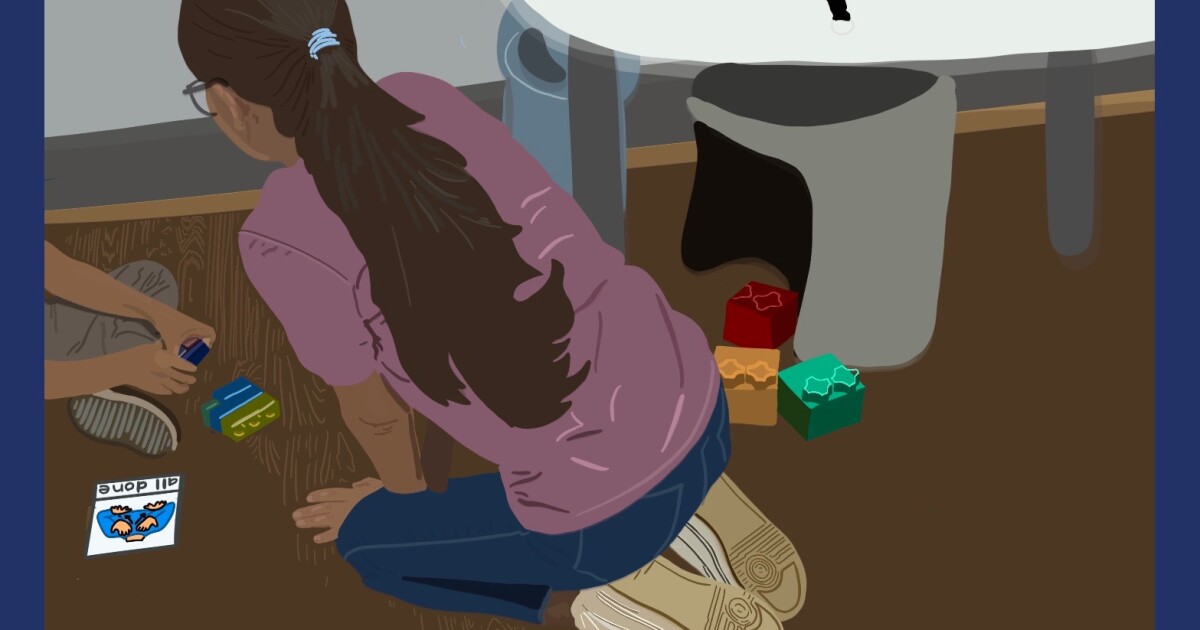
The rapid growth and lack of regulation have created a complex environment within Arizona’s ABA sector. While many families, like Shawn Cutting, praise ABA for significant improvements in communication and social tolerance for their children, others report negative experiences, including high staff turnover and inappropriate therapy intensity leading to increased aggression. Some clinics, particularly those acquired by private equity firms, face accusations of prioritizing financial optimization over individualized client needs, sometimes prescribing 40 hours per week of therapy for two-year-olds, even when less intensive programs might be more appropriate or when families struggle with such demands.
The debate extends to the core philosophy of ABA. While proponents emphasize its effectiveness in developing essential skills, critics from the autistic self-advocacy community argue that some traditional ABA practices aim to suppress harmless self-stimulatory behaviors, potentially stripping individuals of their unique identities. Jessica Belokas, President of the Arizona Association for Behavior Analysis, noted a shift in priorities from client service to profit, prompting her to open her own clinic after experiencing private equity buyouts. Daniel Openden, President and CEO of the Southwest Autism Research & Resource Center (SAARC), advocates for ethical, high-quality ABA, emphasizing community-based therapy over clinic-only models for better real-life outcomes, despite higher operational costs.
Next Steps
In response to the mounting pressure and financial strain, officials from AHCCCS and Governor Katie Hobbs’s office have announced plans to release a package of ABA reforms. These forthcoming reforms, which will be open for public comment, are expected to include crucial requirements for all ABA providers to meet state licensure and fingerprinting standards as a condition for AHCCCS provider registration. This move aims to establish essential guardrails for patient safety and quality of care that are currently lacking. Dr. Diana Davis-Wilson, a BCBA and CEO advisor for Aspen Behavioral Consulting, emphasized the importance of enforcing existing infrastructure and implementing these new requirements to ensure both program sustainability and the safety of children receiving services.
Fast Facts
| Key Point | Why It Matters for ABA |
|---|---|
| ABA costs in AZ Medicaid surged 43% to $371 million in FY2025 | Highlights urgent need for sustainable funding models and cost controls in state programs. |
| Arizona lacks state licensing for ABA clinics and RBT fingerprinting requirements | Raises significant concerns about patient safety, quality of care, and accountability within the industry. |
| Federal OIG investigating AZ billing practices, found fraud in other states | Signals increased scrutiny on billing integrity and potential for widespread reforms to prevent fraud and abuse. |
Expert Perspective
Robust state-level regulation, including clinic licensing and RBT fingerprinting, is essential to ensure both the quality of care and the long-term sustainability of ABA services in Arizona.
Source: kjzz.org